REVIEW · CHANIA
Battle of Crete WW2 Private Tour (price per group of 6)
Book on Viator →Operated by Niriis Tours · Bookable on Viator
Cemeteries and memorials can feel like a straight line through time. This private Battle of Crete tour is built to follow the fighting in West Crete with stops that explain who fought, where they landed, and what the battle meant for civilians afterward. The day works best when you want more than a bus-and-brief explanation, since you can steer the route to your interests while keeping the story tight.
Two things I really like: you get private one-on-one pacing (so the guide can slow down or speed up), and you leave with practical take-home materials if you bring a USB stick for reports, books, diaries, maps, and photos. One possible drawback is that the schedule is early and weather-dependent, so if you hate morning starts or you are sensitive to heat, plan snacks and shade breaks carefully.
In This Review
- Key points worth knowing before you go
- Why this Battle of Crete route makes sense from Chania
- Private transfers in greater Chania (and why the timing matters)
- Stop 1: Souda Bay War Cemetery and the 42nd Street memorial
- Stop 2: German Military Cemetery on Hill 107 and the Maleme airfield views
- Stop 3: Tavronitis Bridge and the RAF memorial for fallen pilots
- Stop 4: Galatas memorials (Greek-New Zealand and the Welch tribute)
- Stop 5: Alikianos Memorial and Agia Prison valley (occupation and executions)
- The guide’s flexibility, plus the USB take-home materials
- What this tour costs, and when it’s good value
- What to bring and how to plan your day on the ground
- Who should book this private Battle of Crete tour?
- Should you book? A practical yes-or-no
- FAQ
- How much does the Battle of Crete private tour cost?
- How long is the tour?
- Is this tour private?
- What language is the tour offered in?
- Does the price include pickup and transport?
- Do I need to pay for admission tickets at the stops?
- Where can pickup happen?
- Is lunch or snacks included?
- What is the cancellation and weather situation?
Key points worth knowing before you go
- A route built around specific sites: Souda Bay War Cemetery, German Cemetery on Hill 107, Tavronitis Bridge, Galatas memorials, and Agia Prison valley.
- Private transfers in greater Chania: pick-up and drop-off from your chosen address or agreed meeting spot within the stated area.
- English guiding and custom focus: you can shape what you spend time on, including particular units.
- Free entry to the main stops: each listed site is marked as free, so your day stays predictable.
- Bring a USB stick: you can copy digital materials like reports, books, diaries, maps, and photos.
- A thoughtful WWII pacing: the tour combines battlefield viewpoints with memorials tied to civilians during occupation.
Why this Battle of Crete route makes sense from Chania
This tour is about following the battle’s “logic,” not just ticking off monuments. You start near Souda Bay, move toward Maleme airfield and Hill 107, cross the area linked with Tavronitis Bridge, then finish with the memorials connected to places like Galatas and the Agia Prison valley.
I like the order because it keeps the story connected: where Allied troops landed and were lost, how the German advance developed, which sites were targets, and how the occupation aftermath hit Greek civilians. If you enjoy maps, units, and cause-and-effect explanations, this kind of sequencing helps everything click.
Other private tours & transfers we've reviewed in Chania
Private transfers in greater Chania (and why the timing matters)
The day runs about 6 hours, with pickup offered from your accommodation or another convenient spot in greater Chania (within 10 km / 6 miles around Chania old town), plus areas near the national road up to Maleme airport. You also get private 2-way transfers, and the transport is air-conditioned—handy on Crete’s warmer days.
The tour’s opening window is 7:00 AM to 11:00 AM (daily). That matters because many of the key sites are outdoors, with memorial spaces and walking time at each stop. If you want the best light for photos and you prefer fewer crowds, the earlier end of that window usually feels smarter.
Stop 1: Souda Bay War Cemetery and the 42nd Street memorial
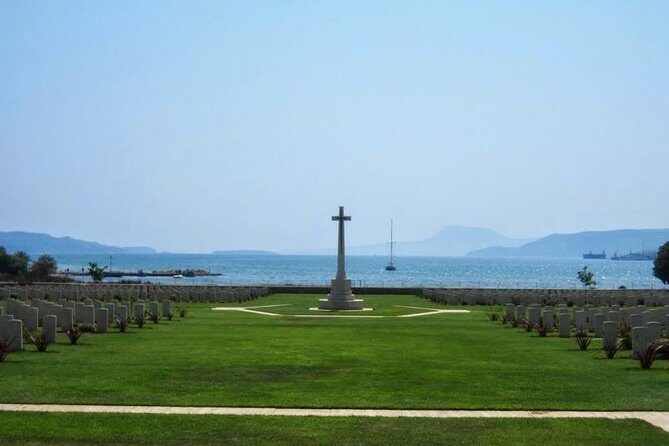
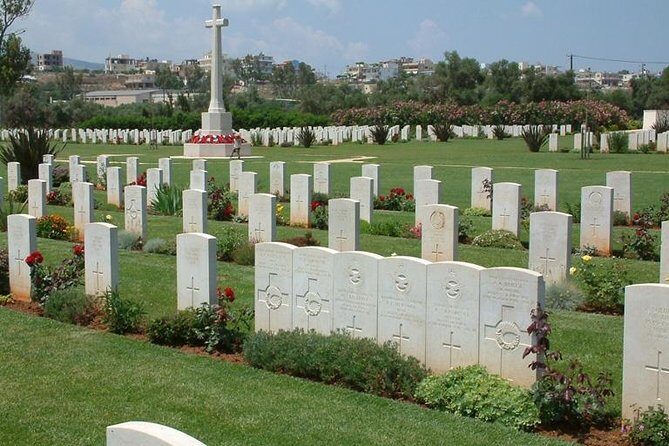
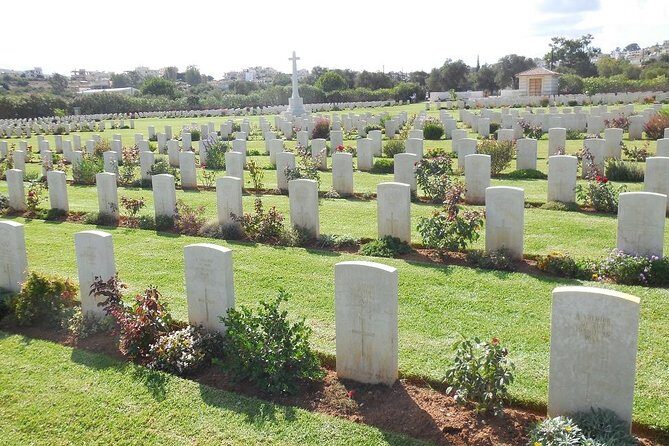
Souda Bay War Cemetery is where the day gets real, fast. You’ll walk around the graves of Allied soldiers who perished in the Battle of Crete, and the guide ties the stories directly to what unfolded nearby.
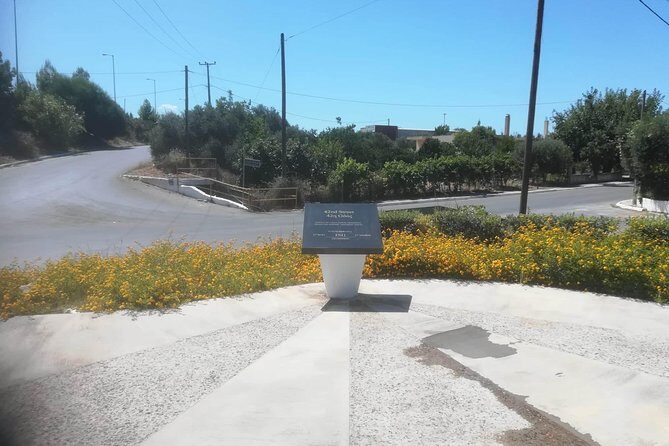
A nice extra here is the stop at the 42nd street memorial, linked to a bayonet charge. It’s the kind of detail that turns a cemetery from a sad location into a place with a clear sequence of events.
What I’d watch for: this stop is about walking and reading, so wear comfortable shoes and bring water. Since the admission is free, the main thing you’re paying with is attention—take it slowly.
Stop 2: German Military Cemetery on Hill 107 and the Maleme airfield views
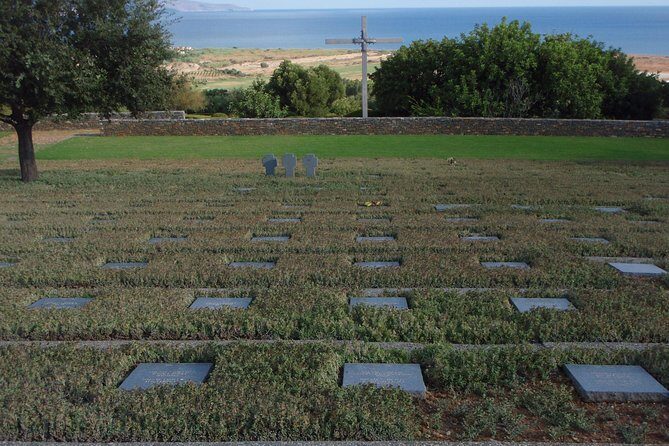
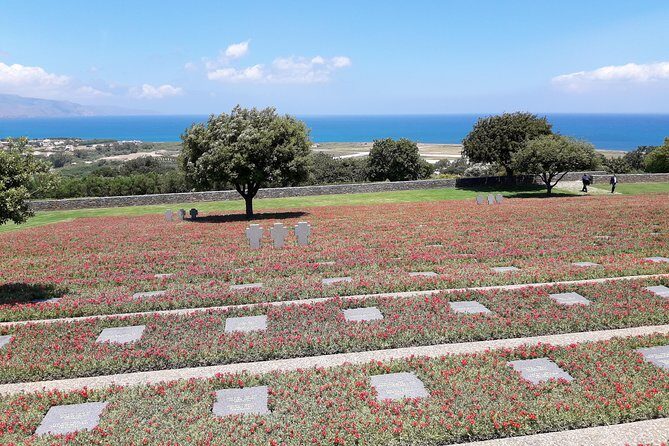
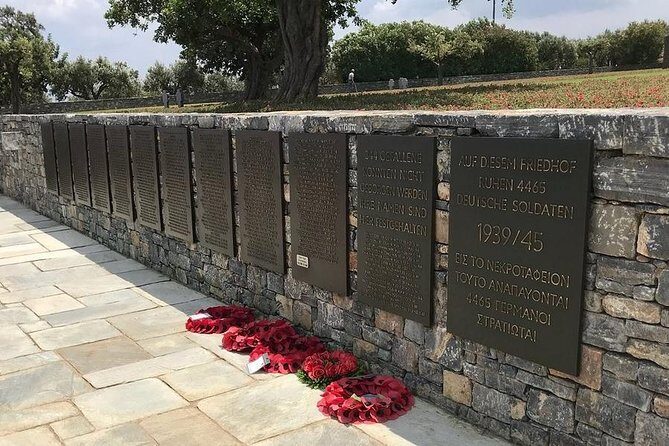
Next comes the German Cemetery on Hill 107, a strategic point overlooking Maleme airfield. This part of the tour helps you understand how the battle developed from the ground up: why certain positions mattered, and how viewpoints can explain the timing and direction of attacks.
There’s also a quick stop near Maleme airfield, with the important note that it’s still a military area and access is forbidden. Even without walking inside restricted areas, you’ll get the context and the visual sense of the terrain from the outside—often enough to grasp why commanders targeted that zone.
The viewpoint factor: Hill 107 gives you the kind of wide perspective that turns history into something you can actually picture. If you like understanding “who could see what,” this stop is a highlight.
Stop 3: Tavronitis Bridge and the RAF memorial for fallen pilots
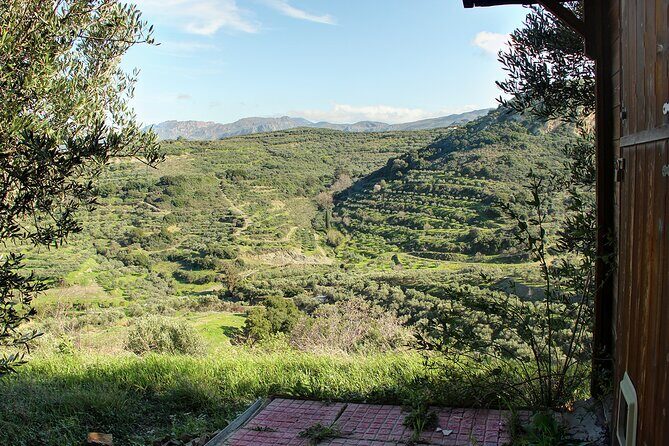
At Tavronitis Bridge, you’re standing near a location tied to major actions during the Battle of Crete, and it was one of the German primary targets during the assault. The guide’s job here is to connect the bridge’s role to the larger movement of troops and the pressure points of the fighting.
Right nearby, you’ll also visit the RAF Memorial dedicated to RAF pilots who fell during the battle. This is a good reminder that the battle wasn’t only about soldiers on the ground—airpower and its losses were part of the story from the start.
A practical consideration: this stop is shorter (about 45 minutes), so it’s a good time to jot down questions for the guide if you want a specific unit or incident explained more clearly.
Other private tours in Chania
Stop 4: Galatas memorials (Greek-New Zealand and the Welch tribute)
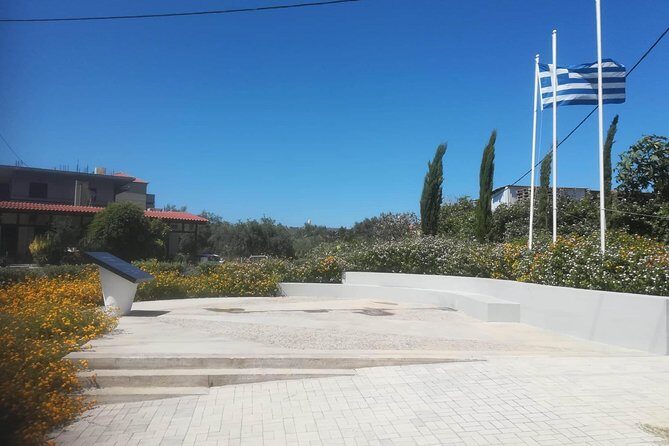
Galatas is where the tour expands the story beyond one side or one nationality. In the village main square, you’ll see the Greek-New Zealand memorial, and the guide will talk about what happened there during the battle.
This stop feels especially meaningful if you want the human connections: memorials can show who was involved and how far the fight reached. You’ll also visit the Welch memorial, adding another layer to how the day’s story is stitched together across units and places.
What makes this stop work: you get a village setting, not just a battlefield edge. That helps you understand that the conflict hit normal communities, not only military positions.
Stop 5: Alikianos Memorial and Agia Prison valley (occupation and executions)
You’ll finish at Alikianos Memorial, including a visit to Agia Prison valley. Here, the guide explains that Greek units were stationed in the area and you’ll see Agia Prison, which served different roles: it was a hospital during the battle and later a prison during the occupation where hundreds of Greeks were executed.
This is the emotional weight of the tour. The earlier stops focus on battlefield outcomes; this one focuses on what came after, when the fighting was over but the harm continued.
Time and pacing: this final segment is brief (about 20 minutes), but it lands hard. If you want time for reading and reflection, you’ll likely want the guide to slow down a touch, and that is one of the advantages of a private format.
The guide’s flexibility, plus the USB take-home materials
This is not a rigid script. You can customize the tour to your interests, including individual units, so if your WW2 curiosity is specific—like a particular brigade, air mission, or sequence—you can ask for emphasis and timing.
I also like the practical detail that you can bring a USB stick and copy take-home materials: reports, books, diaries, maps, and photos. That’s a big value move. Instead of walking away with only memories, you can refresh your understanding later and share material with family.
One more bonus I appreciated from this kind of private setup is that you may get extra context tied to artifacts and private materials connected to the subject. When it’s handled thoughtfully, it helps translate dates and names into something more tangible.
What this tour costs, and when it’s good value
The price is $555.98 per group up to 6 for about 6 hours. That math matters more than the headline number.
- If you fill all 6 spots, you’re effectively around $92.66 per person.
- If it’s only 2 or 3 of you, the per-person cost rises, but you still get private transfers and private guiding, not a shared minivan experience.
For WW2-focused days, value comes from time and interpretation. This tour gives you a single guide to ask questions, plus a route that ties together cemeteries, targeted positions, memorials, and the occupation aftermath. If you’d otherwise spend hours piecing together sites on your own, paying for a guide’s connections and sequencing usually feels fair.
What to bring and how to plan your day on the ground
Here’s the practical prep I’d use:
- USB stick: you can copy reports, books, diaries, maps, and photos.
- Comfortable walking shoes: you’ll walk around grave areas and memorial spots.
- Water and small snacks: snacks are not included (there’s an option for snacks and drinks), and the day is outside for stretches.
- Sun protection: the tour runs in a morning window but still includes outdoor viewpoints.
- A question list: since you can customize, having a few topics ready helps you get more from your guide.
Snacks and lunch are optional and not included: snacks cost 10 euro and lunch is 25 euro per person if you choose it. If you’re hungry, plan around those options so the day stays smooth.
Who should book this private Battle of Crete tour?
Book this if you want a day that is both moving and organized. It fits well for:
- WW2 buffs who like names, units, and clear sequences.
- Families who want a guide to translate memorial sites into plain language.
- Anyone who prefers a private pace so they can spend extra time where they feel curious or emotional.
- Visitors staying in or near Chania who don’t want to coordinate transport between multiple sites.
If you prefer a fast photo tour with minimal walking, this may feel a bit too reflective and story-driven. On the other hand, if you like understanding why places matter, you’ll likely feel satisfied by the flow from battlefield to aftermath.
Should you book? A practical yes-or-no
I’d say yes if your priority is interpretation: a guide who connects Souda Bay, Hill 107/Maleme, Tavronitis Bridge, Galatas, and Agia Prison valley into one readable story. The private format, the ability to customize, and the take-home USB materials make it more than a sightseeing drive.
I’d say think twice if you’re traveling light on patience for memorial sites, or if you’re expecting a mostly leisurely, minimal-walking day. Also, the schedule depends on good weather, so keep flexibility in mind.
If you come ready to listen and ask questions, this tour turns Crete’s WWII pages into something you can stand in.
FAQ
How much does the Battle of Crete private tour cost?
It costs $555.98 per group for up to 6 people.
How long is the tour?
The tour lasts about 6 hours.
Is this tour private?
Yes. It is a private tour/activity, and only your group participates.
What language is the tour offered in?
The tour is offered in English.
Does the price include pickup and transport?
Yes. The tour includes air-conditioned vehicle and private transportation, with pickup and drop-off offered from your address of choice in the greater Chania area (within the stated limits).
Do I need to pay for admission tickets at the stops?
No. Each listed stop notes admission ticket free.
Where can pickup happen?
Pickup and drop-off can be arranged at Souda port, your accommodation, or other convenient locations within 10 km / 6 miles around Chania old town, or near the national road up to Maleme airport.
Is lunch or snacks included?
No. Snacks are 10 euro (for snacks and drinks), and lunch is 25 euro per person if you choose it.
What is the cancellation and weather situation?
You can cancel for a full refund up to 24 hours in advance. The experience requires good weather; if it’s canceled due to poor weather, you’ll be offered a different date or a full refund.