REVIEW · CHANIA
Chania Battle of Crete Private Tour: WW2 Military History
Book on GetYourGuide →Operated by Proper Cretan Guide · Bookable on GetYourGuide
One sentence can change how you see a battlefield. This private Battle of Crete day in Chania pairs rare wartime documentation with real-world sites, from Maleme airfield to hidden German shelters. You get a route built around the people who fought and the ground they fought on, guided by historian Apostolis, a certified professional historian licensed through the Greek Ministry of Tourism.
I like two things most: the focus on lesser-known places (including abandoned bunkers and war hideouts you likely won’t find on your own), and the respectful cemetery stops that make the story human, not just tactical. The pace also feels practical for a full 7 hours, especially with hotel pickup in Chania central areas.
One drawback to plan for: this is a rain-or-shine, mostly outdoor outing, and food is not included, so you’ll want comfortable shoes and a mindset for a long day outdoors.
In This Review
- Key things I’d circle before you book
- Why Maleme and Hill 107 shape the whole Battle of Crete story
- The cemeteries: where the numbers stop being numbers
- Tavronitis Bridge, Prison Valley, and the “everyday” of wartime ground
- Private WWII museum and a war shelter you can actually walk through
- Abandoned German bunkers and lockouts: the part you won’t replicate on your own
- Commonwealth remembrance at Souda Bay, plus the view that makes it real
- How the 7-hour private format works in real life
- Price and value: what you’re paying for at $182 per person
- Who this tour is best for (and who might want something else)
- The bottom line: should you book the Chania Battle of Crete Private Tour?
- FAQ
- What’s the duration of the Chania Battle of Crete private tour?
- Is hotel pickup and drop-off included?
- Are meals included in the price?
- What language is the tour guide?
- Will the tour run in bad weather?
- What should I bring?
- Is this tour private or shared?
- Can I cancel and get a full refund?
Key things I’d circle before you book
- Maleme airfield first, where the Axis operation’s momentum is easiest to understand
- Two cemetery visits for both German losses and Commonwealth sacrifices
- Private museum/WW2 shelter with memorabilia and rare finds
- Abandoned German bunkers and lockouts in an undisclosed location
- Field-based learning, including hill 107, Prison Valley, and battlefield archaeology
Why Maleme and Hill 107 shape the whole Battle of Crete story
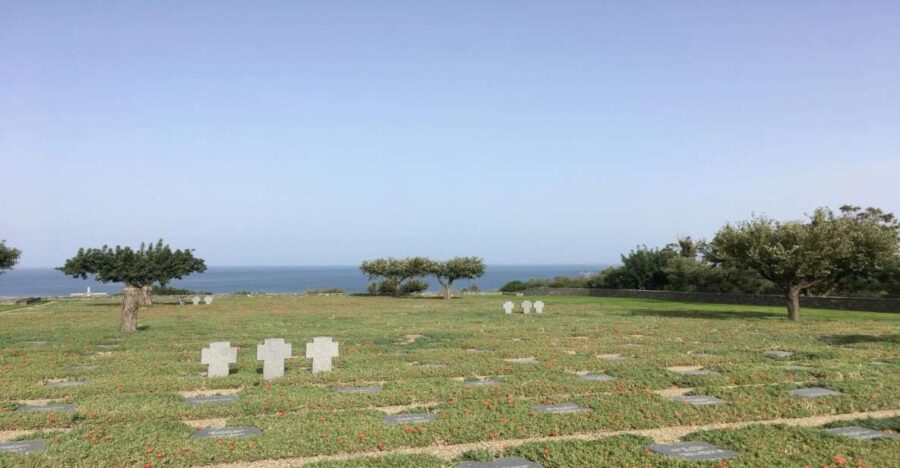
The tour starts at the airport area at Maleme, a site that mattered enormously during World War II. What makes this stop click is how the guide ties physical terrain to decisions made in May 1941. Even if you’ve read about the battle, you’ll feel how quickly air power, supply needs, and control of key points could tip the campaign.
From there, the day keeps steering you toward Hill 107, one of the defining ground features of the battle. You’re not just ticking off a point on a map. You’re learning why places like this could become both a stronghold and a trap, and how the fighting unfolded over multiple days as German forces consolidated.
If you enjoy military history that’s grounded in real geography, this is the kind of route that helps you get your bearings fast. And it’s especially good if you’ve ever felt WW2 history becomes too abstract when it turns into dates and names only.
Other private tours & transfers we've reviewed in Chania
The cemeteries: where the numbers stop being numbers
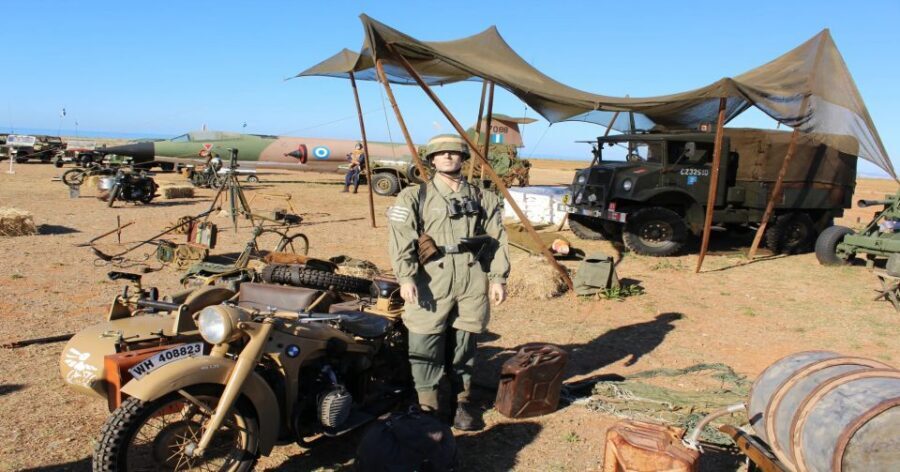
A major strength of this tour is that it doesn’t rush past the cost. You visit a German War Cemetery tied to the Maleme/Hill 107 area, then later you pay respects at the British Commonwealth Allied Cemetery at Souda Bay.
Cemeteries can feel quiet-but-inevitable on a tour, like a stop you endure. Here, the value is that the guide keeps the context close: where these men came from, what the battle meant for the wider Allied side, and why Souda Bay became part of the evacuation story. You’ll also look over Souda Bay itself, with that familiar memorial sentiment (Lest We Forget) used to honor the human cost.
A small heads-up: these are emotionally heavy sites. If you prefer your history lighter and fast, you might find the cemetery time a bit intense. If you want the full picture, it’s the kind of stop that makes everything else feel more grounded.
Tavronitis Bridge, Prison Valley, and the “everyday” of wartime ground
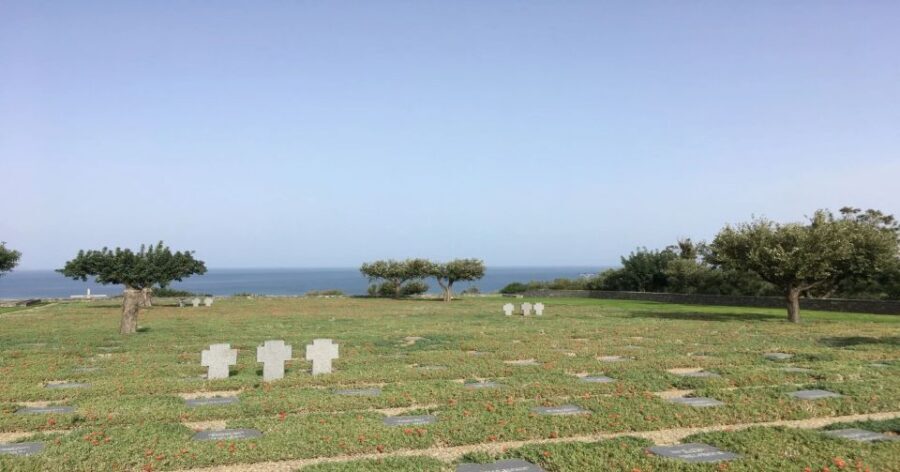
Between the headline locations, the tour includes places that show how the battle affected ordinary movement and daily control. You’ll likely make stops such as Tavronitis Bridge, noted for visible signs connected to the fighting, plus Galatas, and sites associated with imprisonment, including Prison Valley.
What’s useful here is how the guide connects these stops to the campaign’s progression. The battle wasn’t just a single clash; it created a chain of impacts: movement routes mattered, routes could be cut, and captured soldiers could become part of an occupation system.
One practical point: expect uneven ground and a lot of standing while you look, listen, and sometimes follow the guide’s references to positions and routes. Bring shoes that you can walk in for hours, not just for photos.
Private WWII museum and a war shelter you can actually walk through
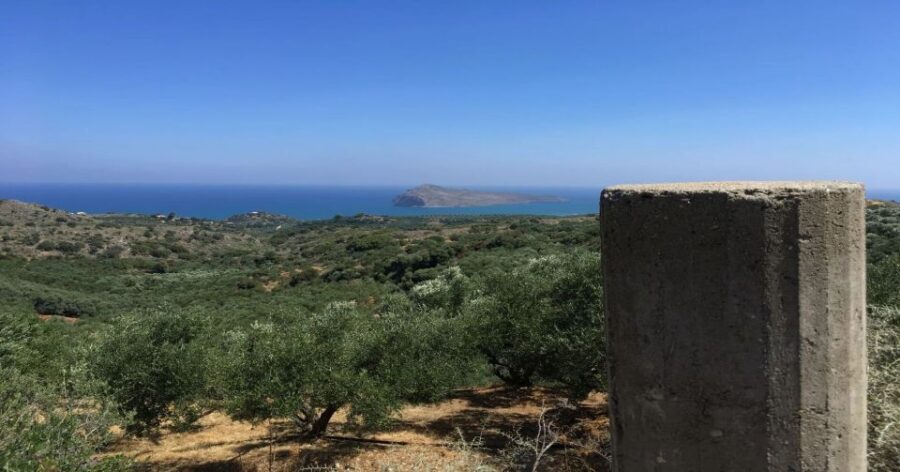
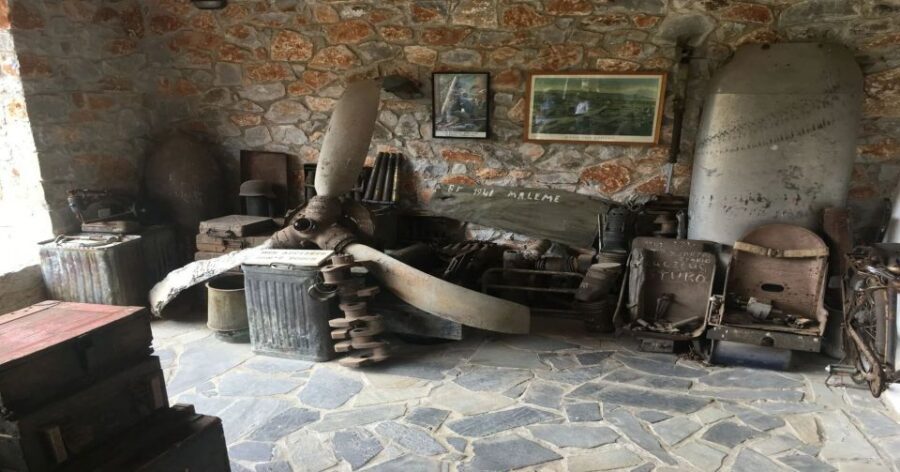
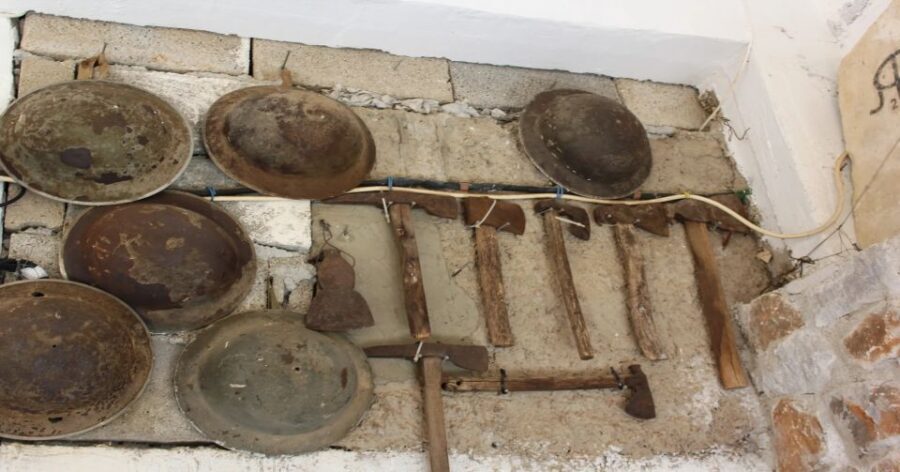
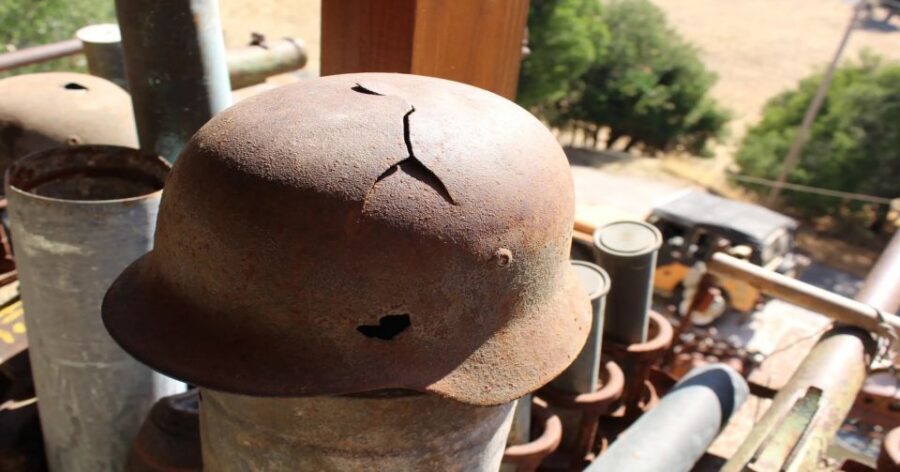
A standout moment is the visit to a private museum/war shelter with WWII memorabilia and rare war finds. This is where the tour becomes less about battlefield viewing and more about evidence: photographs, artifacts, and physical objects that help you understand how the battle was carried out.
The benefit is simple. Battlefield history is dramatic, but it’s easy to turn into a movie in your head. A private collection helps you slow down and see the “stuff” that made plans real—documents, equipment, and the kinds of material details that bring the story into focus.
Also, private collections can have tight hours. The tour is designed with that reality in mind, and the guide often works to keep key stops from getting lost if timing shifts.
Abandoned German bunkers and lockouts: the part you won’t replicate on your own
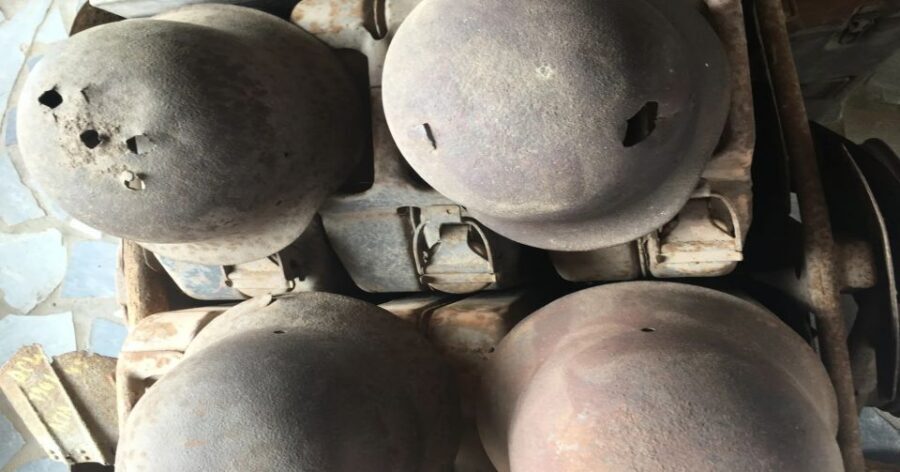
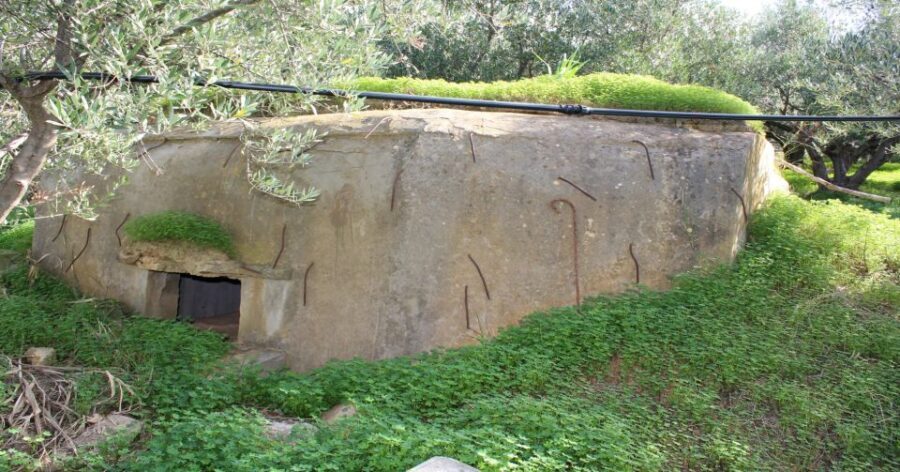
The tour’s most distinctive feature is the visit to one daring German bunker that’s described as abandoned and not well known, plus additional abandoned German lockouts in an undisclosed location.
This is where you get a different kind of history experience. Instead of looking at memorials from a distance, you’re seeing how German forces used hardened protection, routing, and shelter for daily routine. The guide also discusses the military equipment, regimes, and ammunition used by both Axis forces and Allies during the war.
Important for expectations: these are abandoned sites. They’re not staged. They can involve rough surfaces, close quarters, and the kind of environment that makes you understand why bunkers were built the way they were. Wear practical clothes, keep your focus on footing, and treat the visit with the respect you’d give to any site linked to real loss.
Other private tours in Chania
Commonwealth remembrance at Souda Bay, plus the view that makes it real
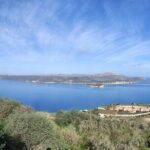
The Souda Bay portion does two things at once: it honors the Commonwealth Allied cemetery, and it gives you a sense of the sea and coastline tied to evacuation and the campaign’s broader strategic picture.
In plain terms, the scenery helps your brain do what textbooks struggle to do. You’re not just reading about how men tried to get out. You’re standing where they were connected to that final stretch, with the bay in front of you and the cemetery nearby.
If you’re someone who likes connecting military events to what forces and civilians could see and control, this is one of the most satisfying end-points on the route.
How the 7-hour private format works in real life
At 7 hours, this is long enough to feel substantial but not so long that you’re constantly sprinting between points. The private nature matters here. You can ask questions, and the guide can adjust emphasis to what you care about most.
You’ll have hotel pickup and drop-off from Chania central areas, and the trip runs with a professional licensed historian/guide and driver. In practice, that means you’re not stuck coordinating transportation between scattered WWII sites.
There’s also a short break planned for coffee/lunch near a riverside with overgrown vegetation. That stop is useful because it resets you before the later field segments, including the battlefield archaeology and bunker portion.
My practical advice: plan to eat before you start your day if you tend to get hungry, because food and drinks aren’t included. Bring water if you can, especially if you’re sensitive to heat or long outdoor standing.
Price and value: what you’re paying for at $182 per person
At $182 per person for a private 7-hour guided experience, the price makes sense when you look at what’s bundled.
You’re not just paying for a driver and a list of stops. You’re paying for:
- A certified historian (Contemporary History focus) licensed through the Greek Ministry of Tourism
- Access to private museum/shelter and abandoned bunker sites you likely can’t arrange easily on your own
- Dedicated cemetery time for German and Commonwealth remembrance
- A route built around battlefield context, starting at Maleme and linking toward Hill 107 and Souda Bay
If you were to visit Maleme, Hill 107, cemeteries, and private collections on your own, you’d spend time coordinating transport, permissions, and interpretation. Here, the guide does the connecting work for you—turning places into a readable story.
This is also a good “value” choice if you’re traveling with just two people or a small group, because you get the private format without the headache of building your own plan.
Who this tour is best for (and who might want something else)
This tour fits best if you:
- Like WWII history tied to real terrain, not just lectures
- Want to include cemeteries and respectful remembrance, not skip it
- Prefer a guide who handles context with sources, including rare archive photos and reference materials
You might reconsider if you:
- Want a light sightseeing day with mostly scenic stops
- Don’t like emotionally heavy war sites
- Get uncomfortable walking outdoor ground for extended periods
The bottom line: should you book the Chania Battle of Crete Private Tour?
If your goal is to understand the Battle of Crete in a way that connects Maleme, Hill 107, cemeteries, and the lesser-known German bunker network, I think this is a strong booking. The private historian-led format, plus the inclusion of private museum/shelter and abandoned bunker visits, is the big difference-maker.
Book it if you want your WW2 day to feel specific: what happened, where it happened, and why those places mattered. Pass or choose a lighter option if you’d rather keep your war history more distant, less physical, and less reflective.
FAQ
What’s the duration of the Chania Battle of Crete private tour?
The tour runs for 7 hours.
Is hotel pickup and drop-off included?
Yes. Hotel pickup and drop-off are included, with free pickup from all Chania central areas.
Are meals included in the price?
No. Food and drinks are not included, though the tour includes a coffee/lunch break.
What language is the tour guide?
The tour is offered with a live guide in English and Greek.
Will the tour run in bad weather?
Yes. The tour is scheduled to run rain or shine.
What should I bring?
Bring comfortable shoes and comfortable clothes.
Is this tour private or shared?
It’s a private group tour.
Can I cancel and get a full refund?
Yes. You can cancel up to 24 hours in advance for a full refund.