REVIEW · CHANIA
Chania Monasteries Private Tour: A Greek Orthodoxy Tribute
Book on GetYourGuide →Operated by Proper Cretan Guide · Bookable on GetYourGuide
Candlelight below Chania changes how you see Crete. This private monasteries tour uses Christian tradition as your roadmap, pairing hidden churches and cliffside chapels with a historian guide who explains what you’re really looking at. You’ll spend the day moving through rural tracks and quiet monastic corners that most visitors never get to see.
I love two things most. First, the Apostolis factor: he’s patient, warm, and very willing to shape the pace around your questions, so you don’t feel marched through. Second, you get more than pretty buildings: you learn how the altar, rituals, and offerings fit into Orthodox life, from liturgy details to why monasteries once had real economic power.
One consideration: monasteries require proper clothing, and you’ll be on your feet on uneven paths. If you’re not great at walking in comfortable shoes, or you show up in the wrong outfit, you’ll spend time adjusting instead of sightseeing.
In This Review
- Key highlights worth planning around
- A private historian in the driver’s seat
- Byzantine ruins and the Proto-Byzantine church complex
- Underground St. Spyridon: when the tour turns inward
- East Chania: from Olympus myths to everyday prosperity
- The 1600s monastery and the altar-focused lesson
- Coffee break in a Cretan village (and time to reset)
- Olive oil, donations, and why monasteries weren’t always poor
- Akrotiri: hermit-country monasteries and monk routines
- The abandoned monastery complex and the Virgin Mary chapel viewpoints
- Price and value: is $176 per person fair?
- Who should book this tour (and who might not)
- Practical tips before you go
- Should you book this Chania monasteries private tour?
- FAQ
- How long is the Chania monasteries private tour?
- Is this a private tour or a group tour?
- What’s included in the price?
- Are entrance fees included?
- What languages will the guide use?
- Where does pickup happen?
- What food is provided during the tour?
- Is the tour wheelchair accessible?
- What should I wear to monasteries and churches?
- Can I cancel for a refund?
- Can this tour work as a shore excursion?
Key highlights worth planning around
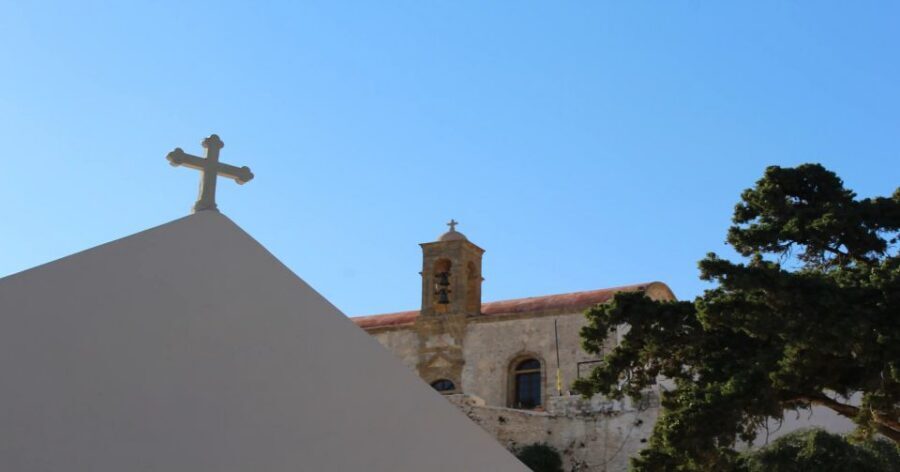
- Underground Church of St. Spyridon: a rare stop that shifts the day from scenery to space, echo, and devotion.
- Byzantine-era ruins and a Proto-Byzantine church complex: you’ll learn what these older structures were built to do.
- A 1600s monastery plus a talk with the superior: you get monastic context beyond postcards.
- Akrotiri hermit-country monasteries: remote, active sites where monks still practice.
- An abandoned monastery complex over the Aegean: you end with views and a white-washed Virgin Mary chapel.
A private historian in the driver’s seat
This isn’t a bus tour where everyone stares at the same wall and hopes for the best. It’s a private group day with a professional guide certified by the Greek Ministry of Tourism and a historian focus in Byzantine archaeology. That matters because you’re not just “seeing churches.” You’re learning the language of the buildings: altar placement, ritual space, donations, and how faith was practiced in plain, daily ways.
You’ll also feel the difference in timing. The tour is built around longer guided visits at multiple stops (you’re not rushing in and out every 15 minutes). The day runs about 7.5 hours, with pickup in central Chania areas and return to Chania, plus a modern air-conditioned vehicle.
Other private tours & transfers we've reviewed in Chania
Byzantine ruins and the Proto-Byzantine church complex
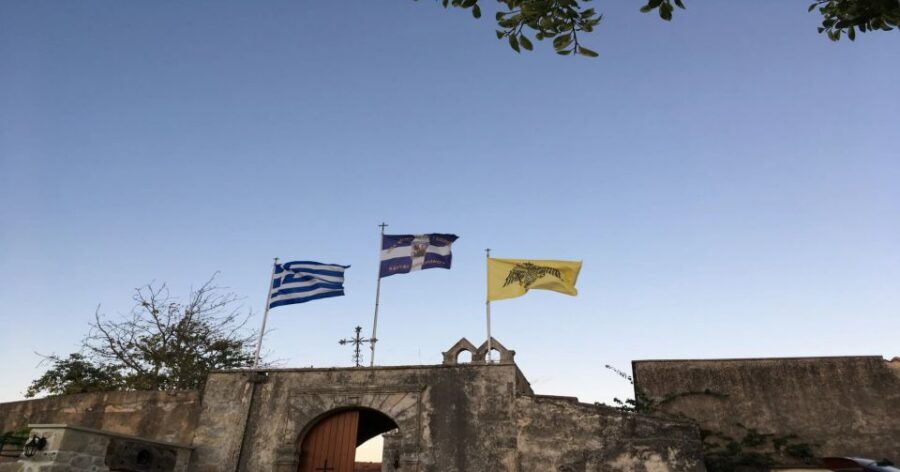
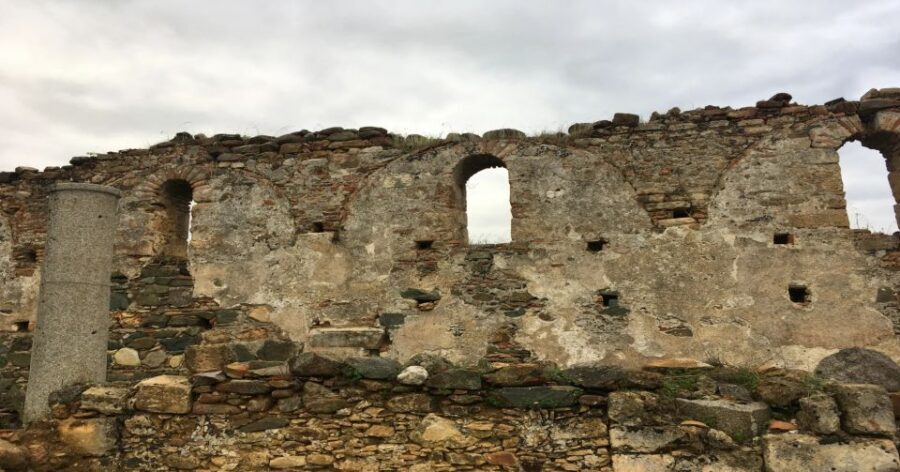
The day starts with ruins of an unknown church complex, tied to Christian tradition and the way Orthodox doctrine was lived out. This is one of those “wait, I see it now” moments. When you know what the space was for, even broken stone stops feeling like random debris.
A key part is how the guide connects divine liturgy with the physical layout. You don’t have to be religious to appreciate it. It’s like learning the grammar of a place: where ceremonies took place, why the altar matters, and how worship shaped architecture and community life.
Another stop features a church complex that dates back to the Proto Byzantine era. Even if you don’t know the dates, you’ll learn what the style implies. In practice, this gives you a stronger frame for the rest of the day: you’ll start noticing patterns and changes in how worship spaces evolved.
Practical tip: at ruins and older sites, shade can be limited. Bring weather-appropriate clothing and plan for sun or chill depending on the season.
Underground St. Spyridon: when the tour turns inward
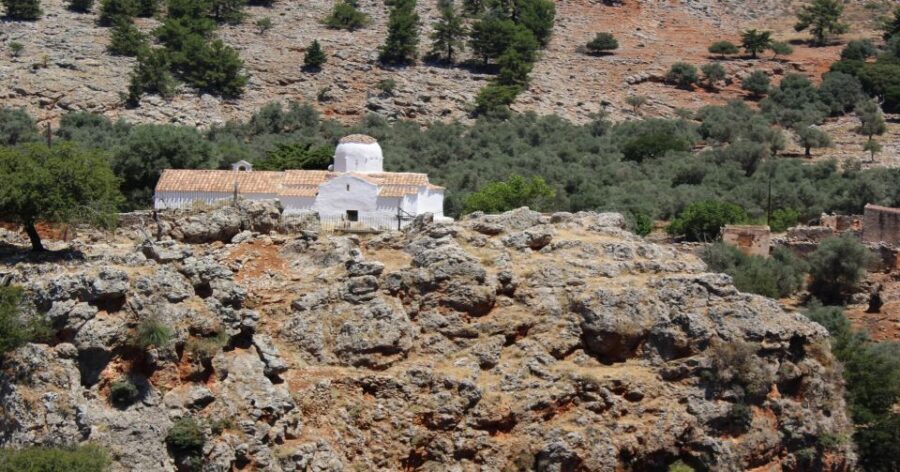
One of the most distinctive inclusions is the rare Greek Orthodox underground church devoted to St. Spyridon. Underground spaces do something to your sense of time and sound. Even if you’re not a church-tradition specialist, you’ll feel why a site like this could sustain faith through centuries.
What makes the stop valuable is the explanation focus. You’re not only looking at the structure; you’re hearing how tradition, protection, and devotion shaped where people worshipped. That context turns a “cool photo stop” into an understanding of why such a place exists at all.
If you like religious history that has a physical setting—stone, air, echoes—you’ll enjoy this part a lot.
East Chania: from Olympus myths to everyday prosperity
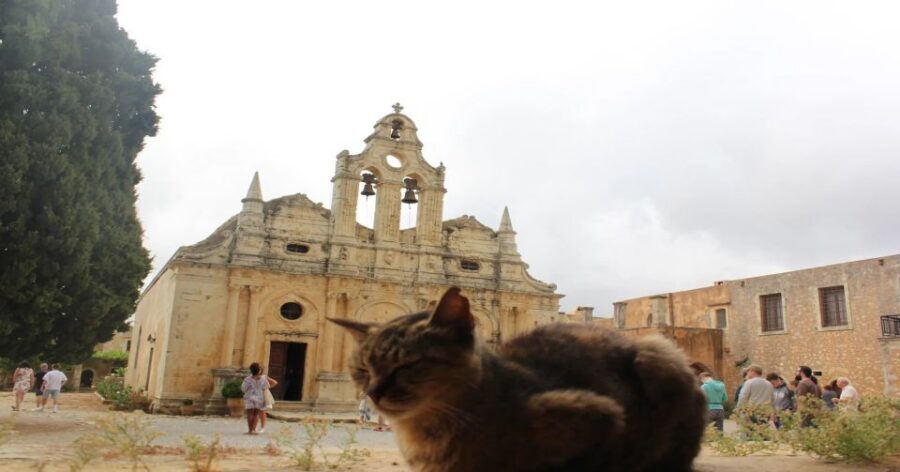
After the early Byzantine sites, the route heads into the eastern parts of mainland Chania. This section surprises people in a good way because it doesn’t treat faith and culture as sealed boxes.
You’ll learn about ancient deities and the 12 Gods of Mount Olympus, with a specific emphasis on how these beliefs were tied to prosperity—especially in farming. In Crete, agriculture shaped calendars and survival. When you hear how people once explained prosperity through myth, it helps you understand why religious sites later became such important community anchors.
This isn’t a lecture that takes over the day. It’s woven into the route, so you can connect ideas to land use, village life, and why so many religious institutions ended up intertwined with local survival.
The 1600s monastery and the altar-focused lesson
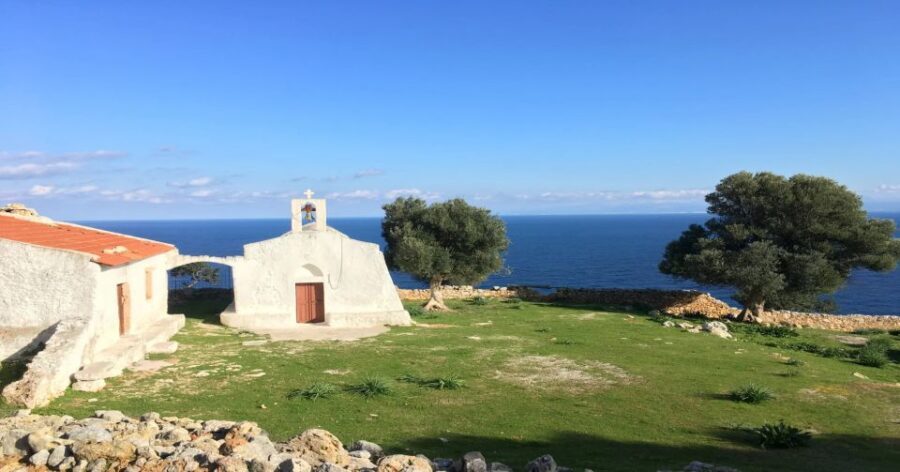
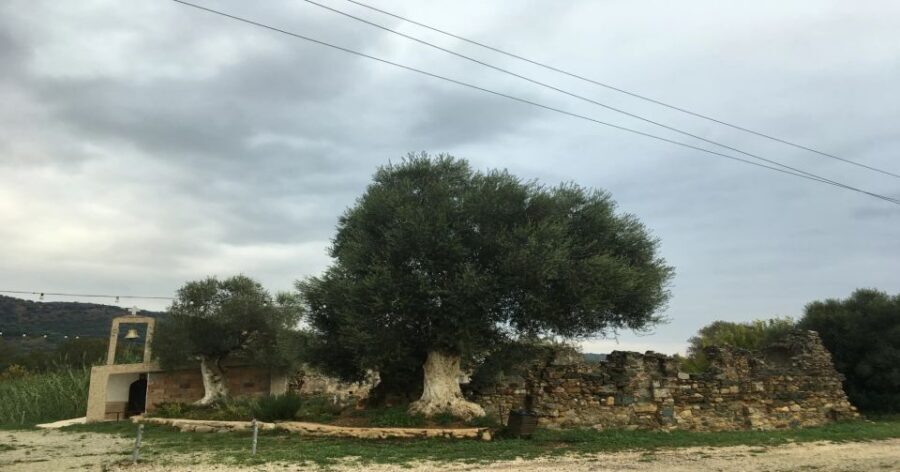
Next comes a monastery dating back to 1600. This is where the tour turns from “ancient” into “still part of the living map.” You can admire Byzantine archaeology elements, and the guide connects them directly to how worship worked inside Cretan monasteries.
The altar gets special attention. You’ll hear why it’s significant, along with the rituals and celebrations that take place inside the church. That’s the kind of detail that makes a monastery feel less like a static monument and more like a functioning spiritual system.
Then you’ll stop for a conversation with the superior of the monastery. That’s not just for spirituality seekers. It’s a strong human moment. You get to understand how monastic life is explained from within, not through a visitor’s interpretation.
If you’re the type who loves talking with people rather than only photographing places, this part will likely be a highlight.
Other private tours in Chania
Coffee break in a Cretan village (and time to reset)
Between serious stone and winding roads, you get a coffee break in a traditional Cretan village. It’s a simple inclusion, but it’s exactly the kind of reset that keeps the whole day enjoyable.
You also get a built-in chance for the guide to answer questions. This matters because the tour covers heavy themes—Byzantine eras, liturgy, monastic tradition—so having time to clarify details prevents the information overload problem.
Word to the wise: lunch and drinks at stops aren’t included, so if you want extra food beyond the box lunch, plan for that.
Olive oil, donations, and why monasteries weren’t always poor
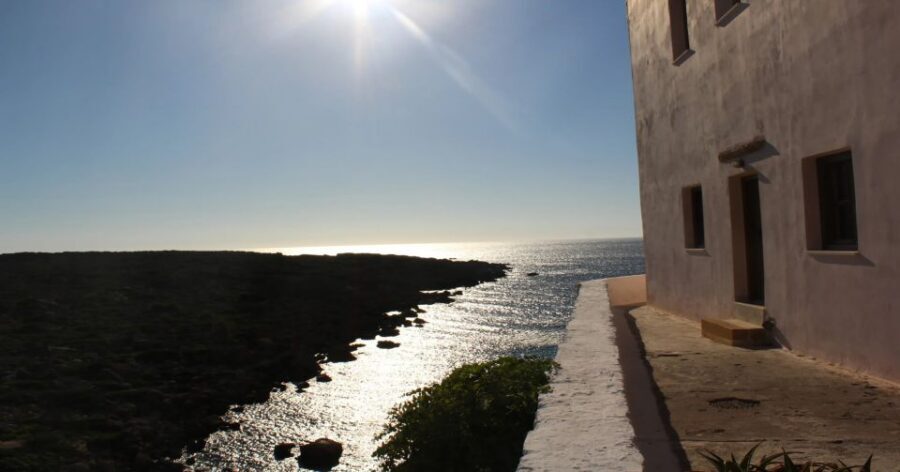
A nearby abandoned olive mill stop adds a practical, Cretan angle. You’ll watch (in ruins) a system that once mattered for feeding people and earning income, and you’ll learn the tedious process of producing olive oil.
Why does this belong in a monastery tour? Because olive oil production connects directly to the assets of Orthodox churches and monasteries over centuries. The guide ties it to donations from pilgrims and the wider countryside economy—especially how monasteries supported people in harder times.
This stop helps you see the monasteries as economic players, not just spiritual ones. That perspective makes the whole day feel more grounded.
Akrotiri: hermit-country monasteries and monk routines
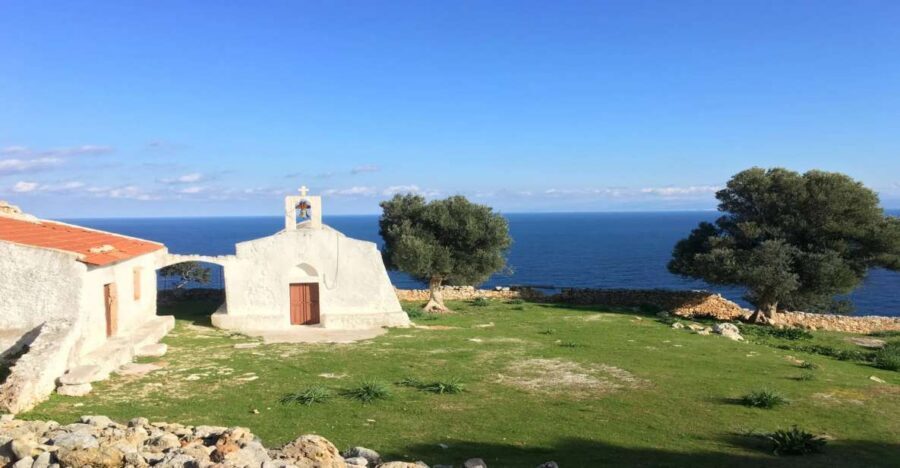
Then you head toward Akrotiri, a mountainous area on the northeast side of Chania known for monasteries and monastic tradition. The tour frames Akrotiri as hermit territory, where ascetics once lived in quiet isolation.
You’ll make stops at two desolate yet active monasteries. The route includes tiny mountain passages, and you’ll likely get views over cultivated land belonging to monastic communities. This is also where the “linked to Mount Athos” theme becomes more than a line on a brochure. You’ll see how monastic tradition echoes across regions.
One of the most powerful parts here is seeing monks in active duties. Even without long conversations, witnessing routine gives you a real sense of what daily hardship looks like. The tour doesn’t just point at relics; it gives you a working sense of monastery life.
If you’re tired of purely scenic sightseeing, this is the section that restores meaning.
The abandoned monastery complex and the Virgin Mary chapel viewpoints
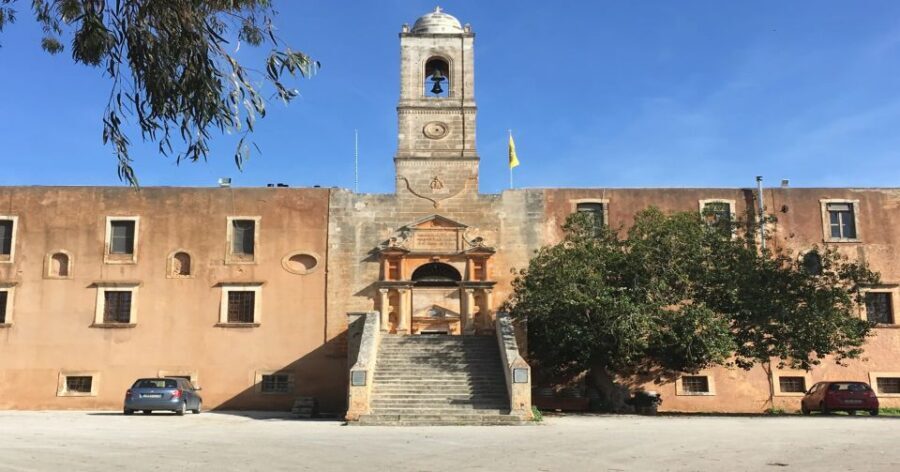
The day closes with a visit to an abandoned monastery complex in an undisclosed location, chosen for its impeccable views over the Aegean Sea. There’s something special about ending this way: you get reflection after motion. You’ve spent hours learning how people prayed, built, donated, and lived. Now you see the physical setting that shaped their choices.
After that, you visit a white-washed chapel devoted to the Virgin Mary. It’s the kind of place where the architecture and the light do half the work. You’ll pay respects and take photos as a souvenir of the monasteries of Chania.
Practical note: bring shoes you trust. Even short walks around abandoned complexes can be uneven, and you’ll want stability for photos.
Price and value: is $176 per person fair?
At $176 per person for about 7.5 hours, this tour is priced in the mid-to-upper private tour range. The value comes from how the day is assembled:
- You get a professional guide with a Byzantine archaeology focus, not a general driver-guide.
- Transport is private in an air-conditioned vehicle with pickup and drop-off from central Chania.
- You receive a box lunch with water plus banana, apple, and chocolate.
- You get multiple specialized religious sites, including the underground St. Spyridon church and a Proto-Byzantine complex.
- You have flexible stops and possible diversions depending on your needs.
- You skip the ticket line (where applicable), which helps keep the day from draining time.
What you should budget separately: entrance fees and any lunch/drinks beyond the box lunch. If you’re someone who typically picks up extra paid tickets anyway, the “entrance fees not included” point matters. Still, the overall structure—private transport, long guided time, and highly specific monastery access—makes the price feel reasonable for what you’re getting.
Who should book this tour (and who might not)
This tour fits best if you want Orthodox sites explained in context. If you like religious architecture, Byzantine eras, and “why this place looks like this” answers, you’ll feel satisfied by the end of the day.
It also works well for couples and small groups because it’s private and the guide can adapt. Based on how Apostolis handles pace and questions, it’s especially good if you prefer conversation over rushing.
You might reconsider if:
- you dislike walking on uneven ground,
- you’re not interested in historical/religious context,
- or you want a mostly beach-and-view day. This tour is about churches and monasteries first.
Practical tips before you go
- Wear clothes suitable for monastery entry. The tour explicitly notes proper clothing requirements for monasteries.
- Bring comfortable shoes with grip. You’ll be on foot at ruins, chapels, and monastery areas.
- Expect flexible timing based on your interests, but the day still runs long enough that you should plan to be present and not multitask.
- Eat what’s provided in the box lunch, then decide if you want extra food at the village stop. Lunch/drinks beyond the inclusions are not included.
Should you book this Chania monasteries private tour?
If you want a Chania day that feels unusual—part historian lesson, part real monastic life, and part Aegean viewpoint finish—this is a strong choice. The standout value is the combination of specialized sites (including an underground church and Proto-Byzantine remains) with a guide who keeps the experience paced and personal.
Book it if your idea of a great trip includes understanding what you’re seeing, not just snapping photos. Pass if you’d rather spend the day mostly at coastal viewpoints with minimal walking.
FAQ
How long is the Chania monasteries private tour?
The tour lasts 7.5 hours.
Is this a private tour or a group tour?
It’s a private group.
What’s included in the price?
A professional guide (certified by the Greek Ministry of Tourism), private transport in a modern air-conditioned vehicle, free hotel pickup and drop-off from all Chania central areas, a box lunch with water plus banana, apple, and chocolate, and surprise gifts at the end of the tour. You also get guided visits to the included church and monastery stops. Skip the ticket line is listed as part of the experience.
Are entrance fees included?
No, entrance fees are not included.
What languages will the guide use?
The guide is described as a specialized trilingual historian guide (EN–DE–GR). The tour info also lists live tour guidance in English and Greek.
Where does pickup happen?
Pickup is included from all Chania central areas. You should wait in the hotel lobby about 10 minutes before your scheduled pickup time.
What food is provided during the tour?
You get a box lunch with water, banana, apple, and chocolate. Lunch or drinks at stops aren’t included.
Is the tour wheelchair accessible?
Yes, wheelchair accessible is listed.
What should I wear to monasteries and churches?
You’ll need proper clothes for entering monasteries. Comfortable athletic clothing and shoes are advised.
Can I cancel for a refund?
Free cancellation is available up to 24 hours in advance for a full refund.
Can this tour work as a shore excursion?
Yes, it’s available as a shore excursion that covers the Chania & Souda Cruise Port area.