REVIEW · CHANIA
In Crete Discover the miracle of Olive Oil and Organic Fruits
Book on Viator →Operated by Proper Cretan Guide · Bookable on Viator
Old trees. New oil. Cretan villages. This tour in Chania is built around real production sites, from a modern olive oil factory in Vamos to an ancient-style mill, plus a chance to taste organic extra virgin olive oil and hear how olive oil shaped daily life. I love the hands-on feel of stepping into working places, not just seeing photos, and I also like that you learn production across ancient, medieval, and contemporary methods—not only the final bottle. One thing to consider: it is a full day with several short driving segments and site stops, so if you hate car time or prefer long leisurely meals, this might feel a bit structured.
The highlight for me is the mystery factor of the tree visit. You go to an undisclosed spot to see a living olive tree estimated at more than 2500 years old, and you literally touch it—one of those moments that sticks. The other “good problem” is that you’ll come away wanting to cook with olive oil immediately, because the tasting is part of the learning.
In This Review
- Key things I’d bookmark before you go
- What this tour is really about (olive oil, villages, and one ancient tree)
- Price and value: is 179.43 per person worth it?
- Your guide setup: producer + licensed historian
- Stop 1 in Vamos: modern olive oil production and a real tasting
- Stop 2 in Vryses: an old olive oil mill with the machinery in view
- Stop 3 in Kalyves: fruit picking right from the farm
- Stop 4 in Tsivaras: touching a possibly ancient olive tree in an undisclosed spot
- Stop 5 in Apokoronas: a monastery tied to olive oil production
- Stop 6: a riverside break in Vryses and time to reset
- Stop 7 in Malaxa: valley and prefecture photo views
- What you’ll take home: understanding olive oil beyond the bottle
- Best for: who this tour suits (and who should think twice)
- Should you book this olive oil and organic fruits tour?
- FAQ
- How long is the tour?
- Where does the tour start?
- Is hotel pickup and drop-off included?
- What olive oil and food experiences are included?
- Is lunch included?
- Is there a shore excursion option?
- Does this count as a private tour?
- What is the cancellation window?
Key things I’d bookmark before you go
- Working factories and mills: See olive oil production steps in modern equipment and older extraction methods.
- Organic fruit and tree time: Collect fresh fruits right from the farm and hear the daily routine from a professional farmer.
- A historian guide, not just a driver: You’ll have a licensed historian plus an olive oil producer guiding what you see.
- Possible world-old olive tree visit: A stop at an undisclosed location to meet a tree said to be over 2500 years old.
- Monastery olive oil connection: See how olive oil ties into local tradition at a monastery with an olive oil factory.
- Scenic breaks built into the route: Photo-worthy stops for valley and village views, plus a riverside break in Vryses.
What this tour is really about (olive oil, villages, and one ancient tree)
This isn’t a “buy olive oil and leave” stop-and-shop day. It’s a day built like a learning route across Crete’s olive culture—how olives become oil now, how it was done before electricity and modern pressing, and why locals treat this as more than a crop.
You start the day at 8:30 am in/near central Chania, with pickup and drop-off offered. The day runs about 6 to 7 hours, and it’s designed for your group only (private tour), so you’re not stuck waiting behind a huge crowd.
The tour’s promise centers on four big ideas:
1) you walk through production,
2) you taste real olive oil,
3) you see how farms and monasteries fit in, and
4) you meet one of the oldest living olive trees claimed to be among the oldest in the world.
Other wine & olive oil tastings we've reviewed in Chania
Price and value: is 179.43 per person worth it?
At $179.43 per person, you’re paying for a private, guide-led route that includes a lot of “access,” not just sightseeing. Here’s why the number can make sense:
- Pickup and drop-off are included from central Chania areas. That saves you time and hassle on a day with multiple stops.
- The tour covers several production sites, including a modern olive oil factory, an older mill, a private farm, and a monastery-connected olive oil factory.
- You get tasting of fresh organic extra virgin olive oil, not a vague sample.
- Even when a site doesn’t charge you for admission on your ticket, the value is in the guided time you get inside.
What’s not included is also important: lunch and drinks are not provided at the stops. So you’ll want to plan for your own food. That doesn’t make the tour bad, but it does mean you shouldn’t expect a full meal plan to be built into the day.
If you like structured days that teach you something real—especially if you care about food and heritage—this price can feel fair. If you just want scenic wandering and long meals, you might feel like you’re “scheduled.”
Your guide setup: producer + licensed historian
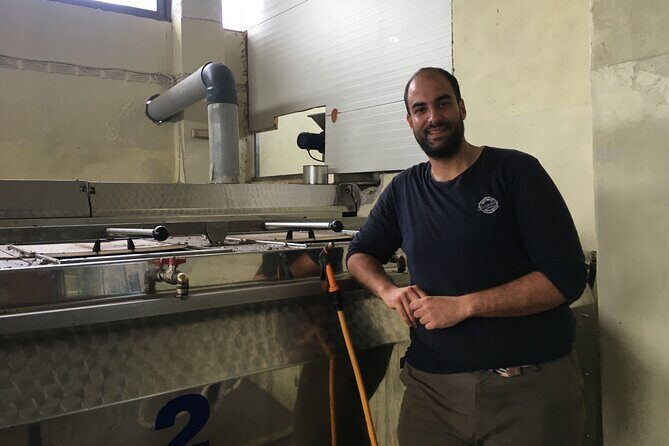
One of the practical strengths here is the team approach. You’re guided by an experienced olive oil producer and a licensed historian tour guide approved by the Greek Ministry of Tourism and Culture.
What that means in real life: you’ll get both the practical “how it’s made” explanations and the cultural “why it mattered here” context. You’ll also hear terminology and production phases without the usual guessing.
And because it’s a private tour, you can ask questions as you go—like why certain varieties matter, what “extra virgin” means in everyday terms, or how farmers manage seasons. If you’re the type who likes to understand the food you’re eating, this structure will click fast.
Stop 1 in Vamos: modern olive oil production and a real tasting
Your first major stop is Vamos, where you visit a modern olive oil factory. The time here is about 1 hour, and it’s built around how olives are processed for extra virgin olive oil.
You’ll see a full factory tour, which matters because it’s the clearest way to understand modern production phases. You’ll also hear about what makes olive oil quality different and what byproducts can come from the process. That kind of info helps the tasting make sense. Otherwise, tasting is just taste.
Best part: you taste fresh organic extra virgin olive oil here. I like starting with the contemporary method because your brain locks in comparisons. When you later see older milling techniques, you notice the differences more clearly.
Possible drawback: factory tours can feel a little “industrial.” If you’re expecting only rustic village life, you might find this first stop more technical than romantic. Still, it sets you up perfectly for what comes next.
Stop 2 in Vryses: an old olive oil mill with the machinery in view
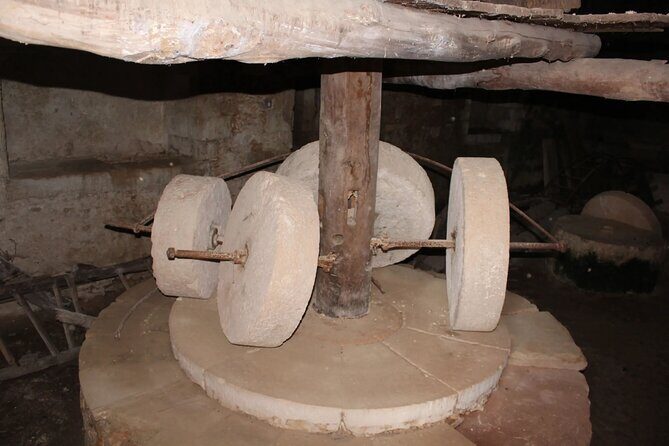
After Vamos, you head to Vryses for 30 minutes at a traditional old olive oil mill. This is the “how it used to happen” counterpoint.
Here, you see extraction and production methods from earlier centuries, and your guide explains the tedious procedure—plus you get to view the machinery firsthand. The value of this stop is that it turns abstract history into something physical. You can understand why people depended on olive oil for many uses and why the work wasn’t quick.
If you’re curious about labor, timing, and tools, this is one of the stops that will make you say, so this is why things were done this way.
Small consideration: the time is short. If you really want to linger and take lots of photos of equipment, you’ll have to be selective about what you capture.



Stop 3 in Kalyves: fruit picking right from the farm
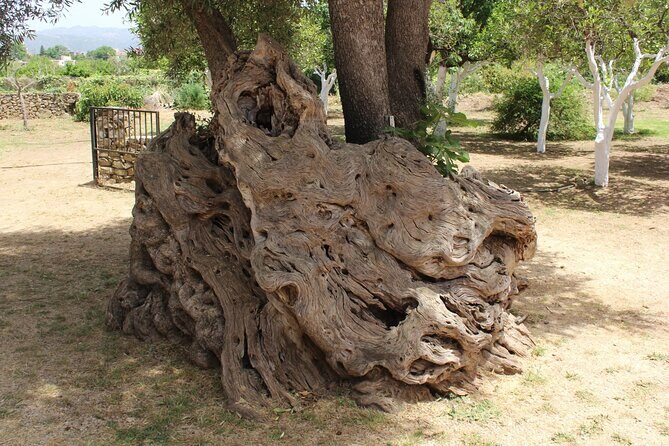
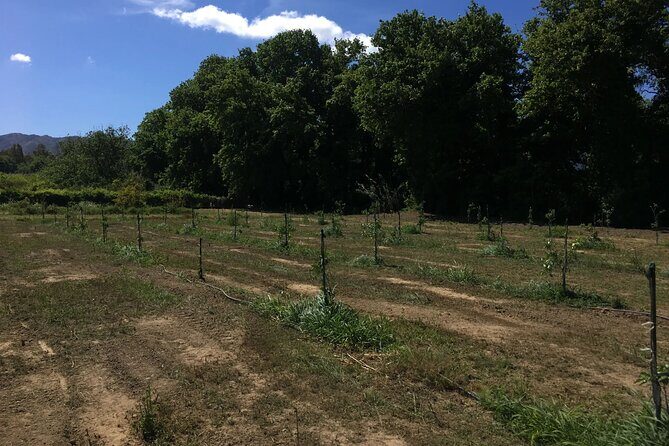
Next is Kalyves, about 1 hour at a private fruit and olive tree farm. This is where the tour shifts from “production” to “lifestyle.”
You’ll learn about different olive oil varieties, and then you’ll collect fresh fruits right of the tree. It’s also a chance to slow down and connect with the farm side of olive culture, because a professional farmer explains the farmer’s way of life and daily routine of olive oil production.
I like this stop because it gives you a sensory memory you don’t get at factories. You’re dealing with the living plant and the timing of harvest. And you’re meeting the work through the eyes of the person doing it.
One practical note: wear comfortable shoes. Farms can be uneven, and you’ll likely be moving around more than you expect.
Stop 4 in Tsivaras: touching a possibly ancient olive tree in an undisclosed spot
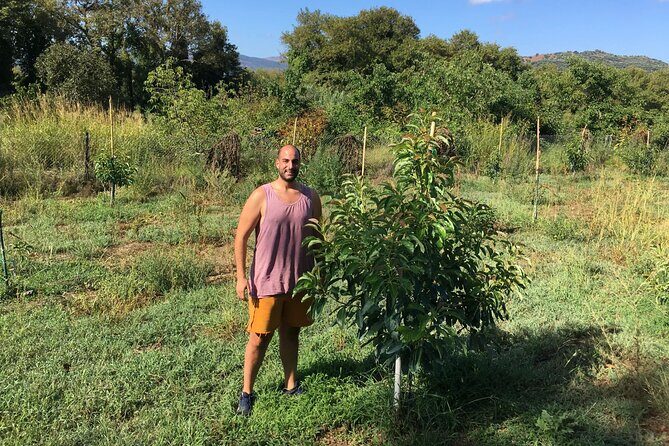
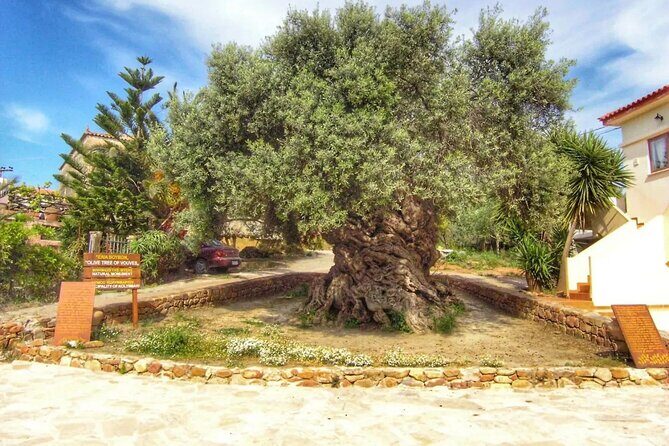
The stop many people remember is Tsivaras, where you visit what’s claimed to be possibly the oldest olive tree in the world—located in an undisclosed location in Chania.
The time is about 1 hour, and the focus is awe. You stand in front of the tree, then you get to touch this living olive tree said to be more than 2500 years old. The wording can sound dramatic, but the experience is grounded in scale: this isn’t a “look at a sign” stop.
Why this matters: seeing something old is one thing. Being allowed to physically connect with it turns the moment from trivia into emotion. It also makes olive oil feel less like a modern condiment and more like a thread tying together centuries.
If you’re the kind of person who likes to plan photos in advance, the undisclosed location is a limitation. You won’t be able to pre-research exact viewpoints. But that secrecy also protects the site and keeps the visit more meaningful.
Stop 5 in Apokoronas: a monastery tied to olive oil production
Then you head to Apokoronas for about 1 hour, with a stop at a monastery that has a strong connection to olive oil production. You’ll see the monastery’s olive oil factory and learn the significance of olive oil for locals through the years.
This is a great mid-to-late day stop because it adds another angle: olive oil as tradition and survival, not just agriculture and industry. Monasteries often functioned as stable centers, so learning how the monastery produced olive oil helps you connect religion and economy without turning it into a lecture.
Potential drawback: if you’re expecting more fruit-and-tasting time here, monastery visits can feel more reflective than hands-on. Still, it’s worth it for the story layer.
Stop 6: a riverside break in Vryses and time to reset
After Apokoronas, there’s a smaller break back in Vryses—about 50 minutes—in a village by the riverside.
This stop is practical. You need it. Between factories, milling history, farm walks, and the “wow” moment of the ancient tree, your brain gets full. This break gives you time to stretch, look around, and take a breather without feeling like the day is dragging.
Since lunch and drinks are not included, consider using this break to buy water and snacks (what you choose is up to you). Even if you’re not hungry yet, this is a good moment to refuel so the later sightseeing stop doesn’t feel tough.
Stop 7 in Malaxa: valley and prefecture photo views
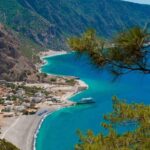
Finally, you end with a sightseeing stop in Malaxa, about 45 minutes, built around breathtaking photos of the valleys and regions of the prefecture of Chania.
This is the “wrap it up” moment. By now you’ve learned what olive oil production takes, where it fits in communities, and why the tree matters. The views help you zoom out and see Crete’s olive country in a broader way.
Practical tip: bring a light layer and something for sun protection. Even on a good-weather day, you can get hot waiting for the best angle.
What you’ll take home: understanding olive oil beyond the bottle
If you care about food, this tour has a clean payoff. You learn the production phases from ancient to medieval to contemporary, you taste organic extra virgin olive oil, and you see the human scale—from farmer routines to historic milling machinery.
You’ll also walk away with better questions for yourself when you shop later. Not just which brand, but what you’re tasting and why it comes from specific varieties and production methods. That’s the kind of value you can use again at home.
And yes, the ancient-tree moment tends to become the story you tell. When you’ve touched something described as over 2500 years old, it changes how you think about Crete’s food traditions.
Best for: who this tour suits (and who should think twice)
This experience fits you if:
- you love olive oil and want more than tasting,
- you enjoy history when it’s connected to real tools and places,
- you’d like a private day with a licensed guide and producer insights,
- you don’t mind short stops and you like a route that stays active.
You might think twice if:
- you want a relaxed day with long meals and free wandering,
- you dislike technical factory explanations,
- you’re not comfortable on a farm-like environment where you may walk around to collect fruit.
For most people, it’s a strong blend: educational, sensory, and scenic.
Should you book this olive oil and organic fruits tour?
I’d say yes if your Crete trip is missing a food-heritage day. This tour has the rare combo of production access + tastings + history + a once-in-a-lifetime tree visit. Even the most “olive oil curious” side of you will leave satisfied, because you’ll understand how the oil is made and why locals care so much.
Book it if you’re excited by real places where food is actually produced. Skip it only if you’re looking for a mostly passive sightseeing day or you’re unwilling to manage your own lunch and drinks.
FAQ
How long is the tour?
It runs about 6 to 7 hours.
Where does the tour start?
The start time is 8:30 am, with pickup offered from central Chania areas.
Is hotel pickup and drop-off included?
Yes. Free hotel pickup and drop-off are offered from all central Chania areas.
What olive oil and food experiences are included?
You’ll see olive oil production phases, visit olive oil facilities, and taste fresh organic extra virgin olive oil. You’ll also visit a private farm where you can collect fresh fruits right from the tree.
Is lunch included?
No. Lunch and drinks at the private tour stops are not included.
Is there a shore excursion option?
Yes. It’s available as a shore excursion covering Chania and Souda Cruise Port.
Does this count as a private tour?
Yes. It’s private, and only your group participates.
What is the cancellation window?
You can cancel for a full refund up to 24 hours before the experience starts. If you cancel less than 24 hours before, the amount paid is not refunded.