REVIEW · CHANIA
Chania Old Town: Artisans & Sightseeing Walking Tour
Book on GetYourGuide →Operated by Wonderers | Chania Private Tours · Bookable on GetYourGuide
Chania’s craft culture is baked into breakfast. On this 3-hour Old Town tour, you start by tasting Bougatsa and watching phyllo go from dough to pastry, then you’re guided through the lanes that built Chania’s reputation. The walking rhythm is slow enough to look up at the architecture, not just scroll past it.
What I like most is the hands-on feel: you get food you can actually eat and lessons you can carry home. You’ll also leave with practical shopping sense from working artisans, and in this tour’s past run you’ve got guides like Sofia and Olga showing up with extra energy and solid recommendations.
One consideration: this is still an Old Town walk, with uneven, narrow streets—plus the activity notes say it’s wheelchair accessible but also not suitable for people with mobility impairments, so check first.
Key points worth your attention
- Phyllo-to-plate breakfast at Bougatsa Chania, with a real look at how it’s made
- Two different food routes: morning includes Bougatsa; afternoon swaps to cheese tasting
- Folklore atelier + museum time to connect crafts to regional traditions
- Artisan workshops and modern artist ateliers in one easy route
- Photo-stops managed by your guide, including help with angles and timing
- Small private group feel, with a local guide who talks as you walk
In This Review
- Chania Old Town as a workbench, not just a postcard
- The Bougatsa breakfast stop: phyllo making and a first taste of Chania
- Morning vs afternoon: don’t mix up the food
- Old Town sightseeing with real photo spots and artisan lanes
- A folklore atelier and museum stop that ties craft to culture
- Workshops, olive oil, thyme honey, and the taste-based part of learning
- Modern artist ateliers: tradition with a contemporary twist
- Getting better at shopping: how a guide helps you avoid bad buys
- What you’ll be doing each step, from shoes on to last photo
- Price check: why $117 can feel fair (or not) for a private 3-hour tour
- Who should book this tour—and who should reconsider
- Should you book Chania Old Town: Artisans & Sightseeing?
- FAQ
- Where is the meeting point?
- How long is the tour?
- How much does it cost?
- What food is included, and does it depend on the time of day?
- What else is included besides the food?
- Which languages are offered?
- Is hotel pickup included?
- What should I bring?
- Is it suitable for people with mobility impairments?
Chania Old Town as a workbench, not just a postcard
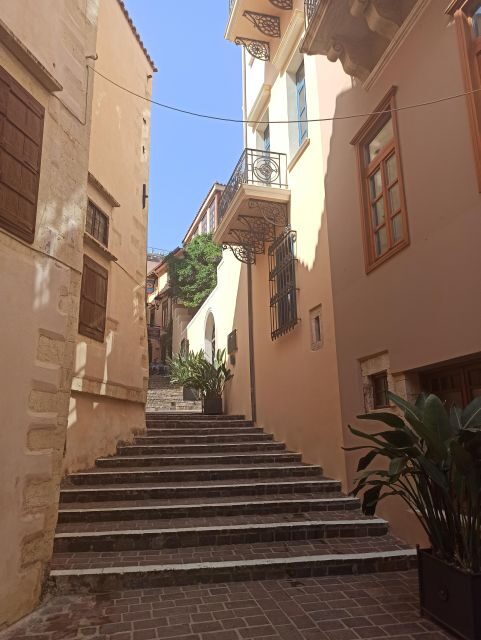
Chania’s Old Town can look like an endless maze of pretty corners. This tour gives you a reason to slow down. You’re not just walking for photos—you’re walking to see how people make things, then tasting the results.
I like that the tour is short (3 hours), so you still have time for your own wandering afterward. And because it’s a private group with a live guide (English, French, or Greek), you can ask questions as you go instead of saving them for later.
There’s a lot packed in here, but the pacing is designed to keep it human: a bite, a look, a walk, another bite. If you’re the type who likes understanding the why behind what you’re seeing—craft traditions, local food, and modern makers—this fits well.
The Bougatsa breakfast stop: phyllo making and a first taste of Chania
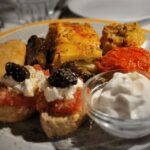
The experience begins right where it should: Bougatsa Chania. You’ll do a brunch-style Bougatsa break (about 30 minutes), and the standout element is that you get to see the phyllo making process rather than just order the final pastry.
If you’ve ever wondered what makes Greek pastries so crisp and layered, this is where the answers start. Phyllo isn’t just a dough sheet—it’s technique. Watching it being handled gives you context for why the finished Bougatsa tastes the way it does, even before you put the first forkful in your mouth.
Also, your guide doesn’t treat this like a quick snack stop. You’re guided through what you’re eating and what it represents locally—then you head out into the Old Town to connect that food culture with the people behind it.
Other Old Town & Venetian Harbor tours we've reviewed in Chania
Morning vs afternoon: don’t mix up the food
Here’s the one detail you should plan around: the afternoon tour does not include Bougatsa sampling. Instead, you’ll have a cheese tasting option. If Bougatsa is your main goal, aim for the morning slot. If you’d rather skip the pastry and focus on dairy flavors, the afternoon route makes sense.
In both cases, you’re getting a food element built into the walk, plus coffee or tea.
Old Town sightseeing with real photo spots and artisan lanes
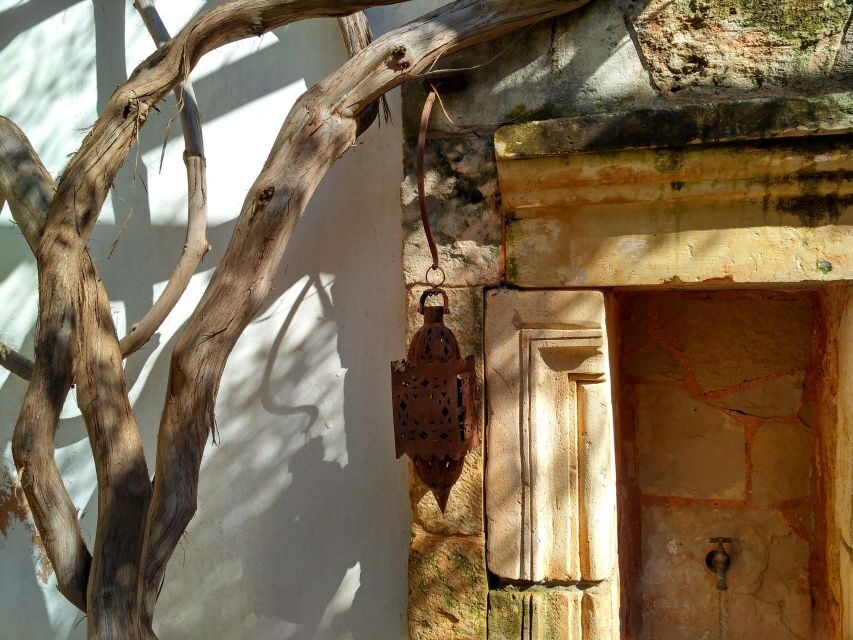
After breakfast, the tour moves into the Old Town guided tour portion (about 2.25 hours). This is the stretch where a good guide changes everything. Your job is to look around. Your guide’s job is to point out what to notice and where.
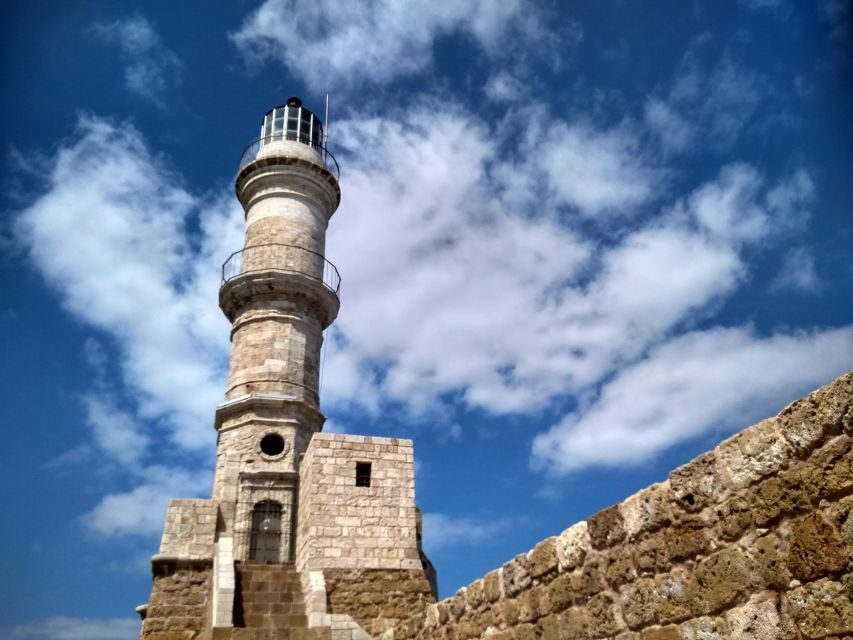
You’ll walk narrow streets lined with centuries-old architecture, and your guide shares stories about Chania’s arts and crafts. That matters because it turns the visual scenery into something you understand. You’re less likely to miss the details that make Old Town Chania feel distinct.
One smart bonus: the tour includes guidance for the best photo spots, and the guide helps with pictures—so you’re not stuck trying to guess angles while people shuffle around you. If you like photography but hate wasting time, this is a practical add-on.
From past runs, guides like Olga have led small groups through areas where you can see how local crafts happen in real life—like walking past a leather street and learning how certain traditional items are made. Even if your exact route shifts day to day, you should expect that same hands-on, shop-window-to-workbench feeling.
A folklore atelier and museum stop that ties craft to culture
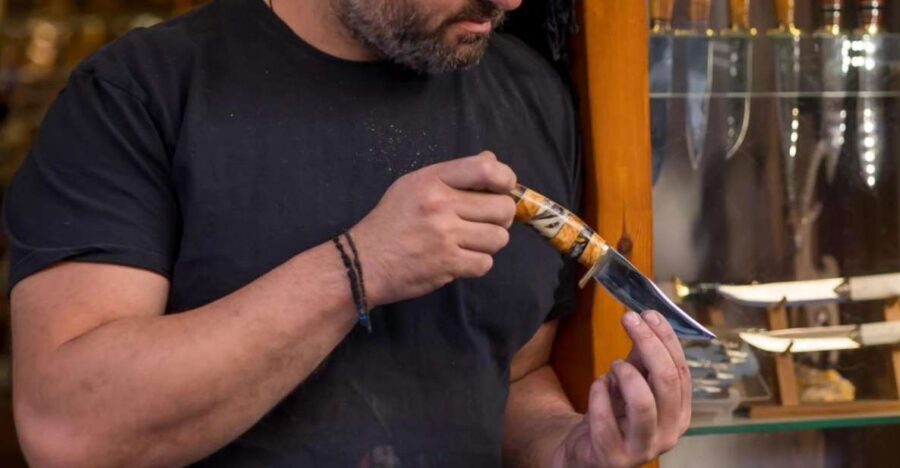
At some point, you’ll step into a folklore atelier, followed by a stop at the Folklore Museum of Chania (about 30 minutes). This is where the tour adds context, not just texture.
The folklore atelier part is designed to give you cultural insight into the region’s traditions. Think of it as a bridge: you’ve already tasted and seen craft technique, and now you’re learning what those crafts mean in Chania’s everyday identity.
The museum visit keeps that thread going. You’ll see a collection that illustrates traditions woven into the region’s fabric—so you understand that “craft” isn’t only about souvenirs. It’s part of how people carried skills across generations.
If you’re tempted to skip museum time to squeeze in more wandering, don’t. This stop helps you avoid a common souvenir problem: buying something nice without understanding why it matters.
Workshops, olive oil, thyme honey, and the taste-based part of learning
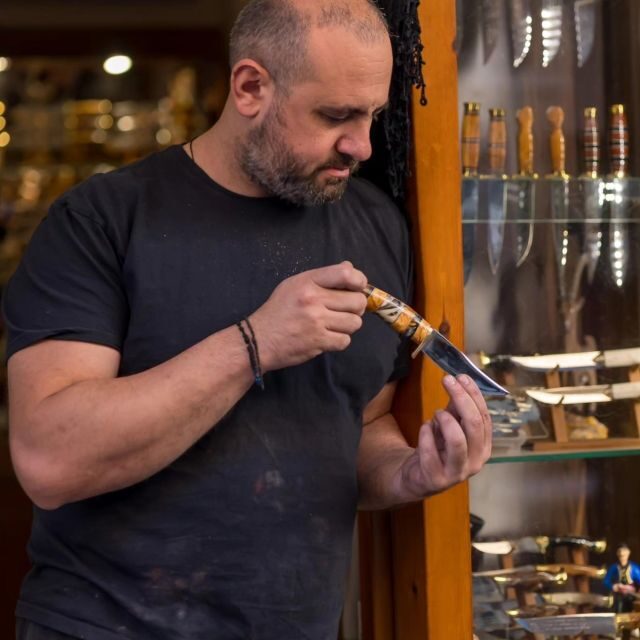
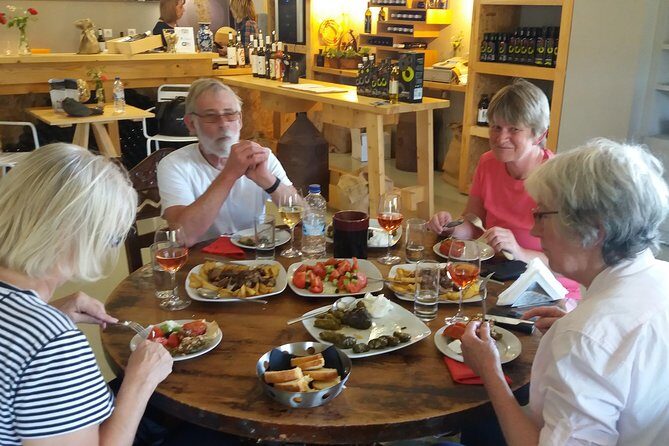
Another reason this tour works is that it doesn’t treat food as an afterthought. You’ll sample Cretan olive oil and thyme honey. These aren’t random freebies. They’re local products that connect directly to the landscape and daily routines of the island.
Here’s what I think makes these tastings valuable: they change how you interpret what you’re seeing on the street. Once you taste olive oil and honey, you start noticing how often Cretan food flavors show up in conversation, menus, and shop displays. It’s not just consumption—it’s learning what locals actually use.
This also sets you up for artisan shops later. When you have a sensory reference point, you can judge quality faster. You’re more likely to spot what’s genuinely Cretan and well made instead of buying something you’ll forget in a week.
Other walking tours we've reviewed in Chania
Modern artist ateliers: tradition with a contemporary twist
You’ll also have time for modern artist ateliers, with a focus on how creators blend tradition and innovation. That’s important because it shows you that craft isn’t a frozen museum category. It’s active.
If you like meeting makers, this section is usually where the tour feels most alive. You’re seeing how skills evolve while still respecting what came before.
Getting better at shopping: how a guide helps you avoid bad buys
Old Town craft shopping can be tricky. You want quality, but you’re also on vacation, and patience is limited. A local guide helps because they’re the translator between you and the shop.
In past experiences tied to this tour, guides like Sofia and Anna have been praised for going beyond the tour with recommendations for where to eat and what to look for. That kind of practical guidance matters because it reduces guesswork. Instead of wandering into a store that’s right under your nose, you get pointed toward places that match what you’re actually interested in—food, crafts, or art.
Your guide is also more than a walking brochure. In these tours, there’s often interaction with artisans and shopkeepers, which makes the buying experience feel less pressured and more informed. You can ask questions, see how items are explained, and get a sense for what’s worth your money.
If you like souvenirs that feel like skills, not mass-produced objects, this is a strong format.
What you’ll be doing each step, from shoes on to last photo
Here’s the flow you can expect, with a few practical notes so you’re not surprised.
1) Meet at Bougatsa Chania
Plan to arrive a bit early so you’re not rushing. This is where your breakfast portion starts.
2) Bougatsa brunch (around 30 minutes)
You’re not just eating. You’re watching phyllo making and then tasting the results. Coffee or tea is included.
3) Guided sightseeing through Old Town (about 2.25 hours)
Expect narrow streets, craft-focused storytelling, and help finding photo spots. Your guide also provides conversation that connects what you see to what people do.
4) Folklore atelier + museum (about 30 minutes for the museum stop)
This portion gives cultural background so the crafts and objects mean something, not just look nice.
If you’re on the afternoon route, remember that Bougatsa sampling isn’t included, and you’re instead doing cheese tasting.
Price check: why $117 can feel fair (or not) for a private 3-hour tour
At $117 per person for a 3-hour tour, you’re paying for three things: a local guide, structured access to food and craft stops, and a guided walking route that keeps you from missing key sights.
This is a fairly “dense” tour: you get multiple tastings (morning includes Bougatsa plus coffee/tea; afternoon includes cheese tasting) plus time in a folklore atelier/museum and time in workshops and artist spaces. On top of that, you’re getting photo support, and the group is private.
So if your goal is simply to walk around Chania Old Town, you could do it on your own for less. But if your goal is to understand crafts, eat well, and come away with better shopping instincts, the price starts to make sense.
My rule: if you’re willing to slow down for food and craft stops, this is good value. If you want only major landmarks and minimal walking, you’ll probably feel like you paid for the wrong mix.
Who should book this tour—and who should reconsider
This tour is best for you if:
- you like food that teaches you something (not just food for fuel)
- you enjoy crafts and want to see how they’re made
- you want Old Town sightseeing with photo help
- you’d rather ask questions to a local guide than guess your way through shops
It may not be the right choice if:
- you can’t manage a walking-focused Old Town route (uneven streets are likely)
- you need a very accessible experience: even though the info says wheelchair accessible, it also states it’s not suitable for people with mobility impairments, so confirm with the operator before booking
If you’re visiting Chania for the first time and want a guided start that points you toward both traditional and modern makers, this is a smart move.
Should you book Chania Old Town: Artisans & Sightseeing?
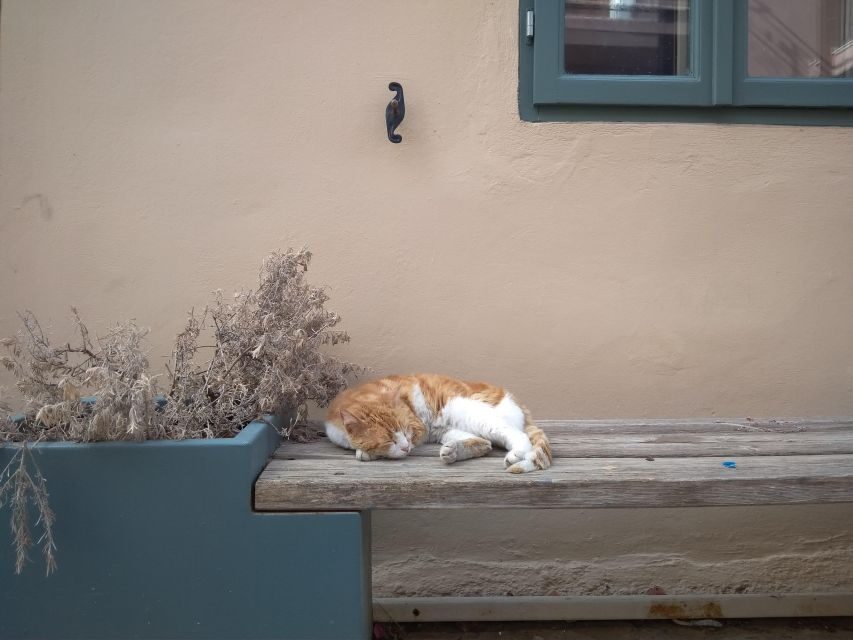
I’d book this tour if you want more than sightseeing. The phyllo + Bougatsa start is a great hook, and the rest of the walk keeps building the story through workshops, a folklore stop, and tastings like olive oil and thyme honey. The private guide format is especially useful if you care about buying with confidence or you like getting better photos without fuss.
Skip it only if your priority is purely big-ticket landmarks or you need a highly accessible route. Otherwise, this is a solid way to spend a half-day in Chania—one where the craft details and food tastings make the whole Old Town feel personal.
FAQ
Where is the meeting point?
Meet at Bougatsa Chania.
How long is the tour?
It lasts 3 hours.
How much does it cost?
The price is $117 per person.
What food is included, and does it depend on the time of day?
On the morning tour, it includes Bougatsa of Chania. On the afternoon tour, Bougatsa sampling isn’t included, and you instead get a cheese tasting option.
What else is included besides the food?
The tour includes a local guide, coffee or tea, and all taxes, plus civil liability insurance.
Which languages are offered?
The live guide speaks English, French, and Greek.
Is hotel pickup included?
No. Hotel pickup or drop-off is not included.
What should I bring?
Bring comfortable shoes, sunglasses, a sun hat, and sunscreen.
Is it suitable for people with mobility impairments?
The activity info says wheelchair accessible, but it also states it is not suitable for people with mobility impairments. If you have mobility needs, it’s best to check directly before booking.