REVIEW · CHANIA
Chania Sourdough Bread Class – Olive Oil Tasting
Book on GetYourGuide →Operated by Chania Cooking Class · Bookable on GetYourGuide
Wood-fired dough smells like Crete. This Chania class pairs hands-on sourdough know-how with a real olive oil moment: you bake your own loaf in a wood-fire oven, then taste herb-flavoured extra-virgin olive oil alongside a full Cretan meal.
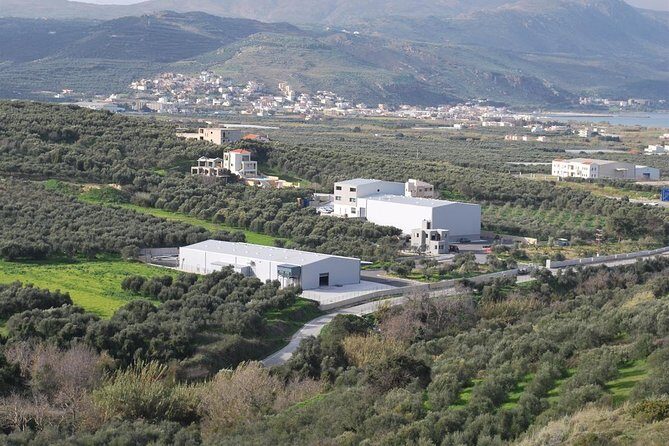
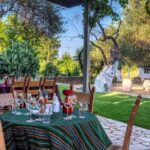
Two things I’d book it for right away are (1) the practical, step-by-step bread making where you shape your own unique loaf with mix-ins like olives or sun-dried tomato, and (2) the extra time outdoors and on the farm, including an olive grove visit to learn how olives become oil and how herbs get blended in. One thing to consider: the workshop is about 10–15 minutes outside central Chania in the Nerokourou area, so plan for taxi/car time if you’re not arranging the (extra-fee) transfer.
In This Review
- Key points before you go
- Welcome to Nerokourou: coffee, cookies, and getting the plan
- The sourdough rhythm: mixing dough, adding your flavor, then resting
- Olive grove time: harvesting lessons and herb-flavoured olive oil
- Wood-fire oven moment: baking your loaf and pulling it out hot
- Farm-to-table Cretan salad: veggies you help pick, plus classic sides
- Eating your bread with herb-flavoured olive oil (and not overthinking it)
- Price and logistics: is $106 good value for 4.5 hours?
- Who should book this Chania sourdough and olive oil class
- Quick planning tips for a smoother day
- Should you book the Chania sourdough bread class and olive oil tasting?
- FAQ
- How long is the Chania sourdough bread class?
- Where is the class located?
- What language will the instructor teach in?
- Is transportation included in the price?
- Is the class wheelchair accessible?
- What will I make during the class?
- Can I choose what goes inside my bread?
- Will there be olive oil tasting?
- What’s included for food and drinks?
- What’s not included?
Key points before you go
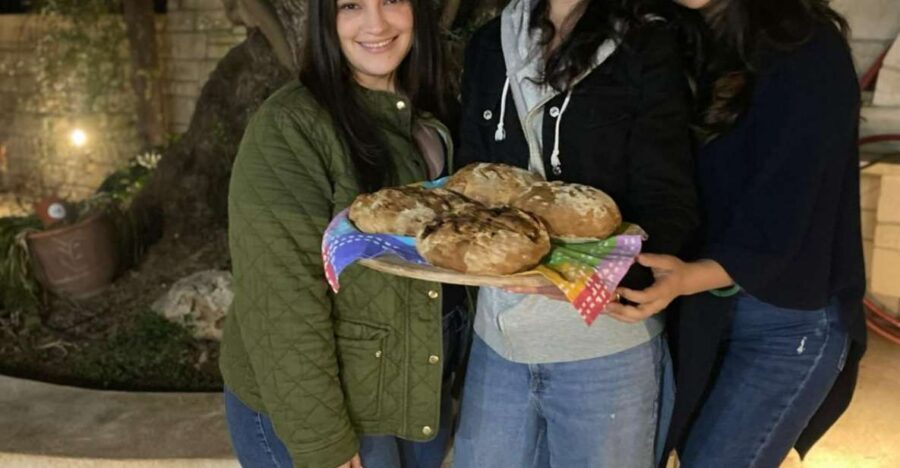
- Your loaf, your mix-ins: choose what goes inside—olives, sun-dried tomato, seeds, and more.
- Wood-fire baking: you bake your own bread in the oven, then get it while it’s at peak smell.
- Olive grove + herb oil lessons: you don’t just taste oil; you learn harvesting and herb mixing.
- Farm-to-table sides: you harvest veggies and help put together a classic Cretan salad and other sides.
- Lunch plus plenty of local wine: the meal is part of the experience, not an afterthought.
Welcome to Nerokourou: coffee, cookies, and getting the plan
The experience starts with a warm greeting from the hostess—either a homemade refreshment or a Greek coffee, plus cookies. While you’re sipping, you get a clear rundown of what’s coming next, from dough prep to baking to the olive oil tasting and meal.
This is also where the tone gets set. In small or calmer seasons, you can end up with more conversation than you’d expect for a food class, and you’ll hear plenty from the hosts—especially Nikos and Alex. Expect a friendly, teach-by-doing style where the bread process is explained in plain terms, not as some mysterious black art.
Language is English and Greek, so you’ll be able to follow along even if your Greek is beginner-level. And even though you’re there for sourdough, you’re really buying a whole Cretan food day—bread, oil, salad, sides, wine, and something sweet at the end.
Other wine & olive oil tastings we've reviewed in Chania
The sourdough rhythm: mixing dough, adding your flavor, then resting
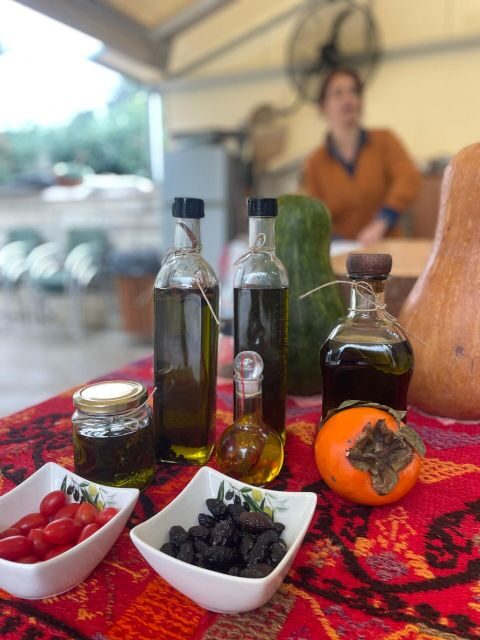
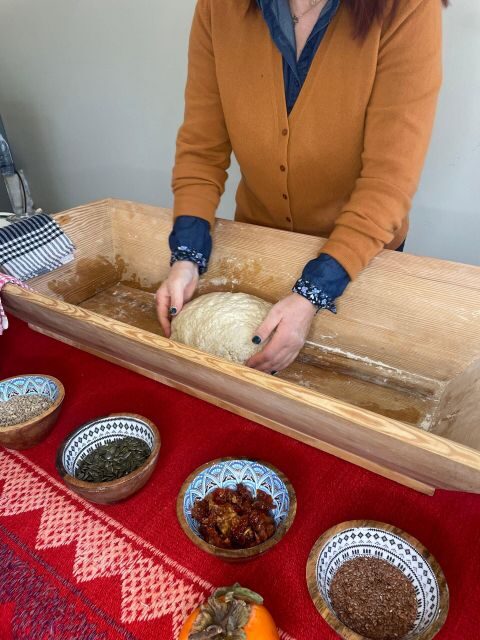
Once the welcome is done, you move into the bread part: ingredient mixing to start your dough. This isn’t a quick “roll it and you’re done” class. You learn how the dough process works and how each step matters before you ever touch the oven.
When it’s ready, everyone prepares their own bread loaf. This is where you can make it yours. You add whatever extra you prefer—options mentioned include olives, sun-dried tomato, and seeds. I like this setup because it keeps the class personal. You end up with a loaf that tastes like your choices, not just the teacher’s plan.
Then comes the rest. The dough needs time, so while yours is doing its thing, you won’t be stuck waiting indoors. That break turns out to be part of the value: you get fresh air, a change of pace, and the olive grove visit that connects the bread to the wider Cretan food story.
Olive grove time: harvesting lessons and herb-flavoured olive oil
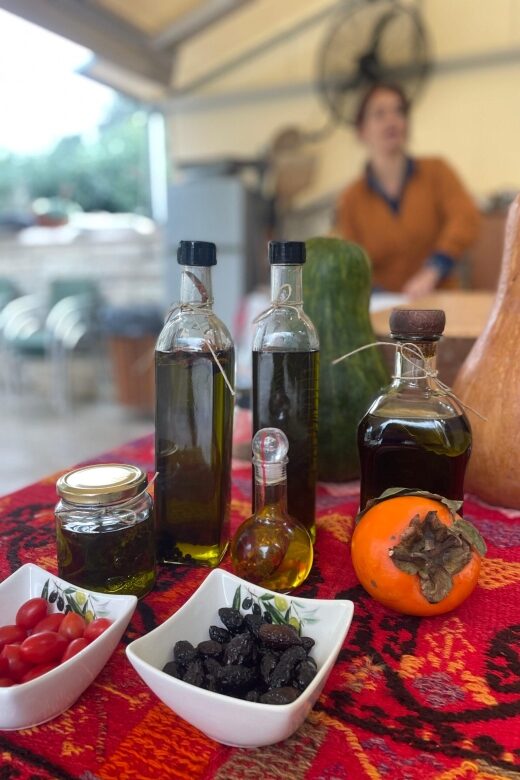
Here’s one of the smartest design choices in this class: the olive oil segment doesn’t happen after you’ve already eaten and forgotten everything. It comes while the dough rests, so your brain is still in learning mode.
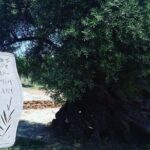
You visit the olive grove and learn about the olive oil harvesting process. You’ll also hear about the secrets behind mixing extra-virgin olive oil with herbs. This matters because olive oil is easy to think of as a background ingredient. But when someone explains how oil and herb flavors get paired, it changes how you taste the final product.
Then the olive oil tasting lands right when your bread is almost ready. That timing helps you understand the cause-and-effect: you’re not tasting oil in isolation. You’re tasting it with your loaf in mind, so you can notice how herb notes and oil character work with warm bread.
If you love food that actually has a point of view—bitter-green olive character, herbal aroma, and that clean extra-virgin finish—you’ll enjoy this part as much as the baking.
Wood-fire oven moment: baking your loaf and pulling it out hot
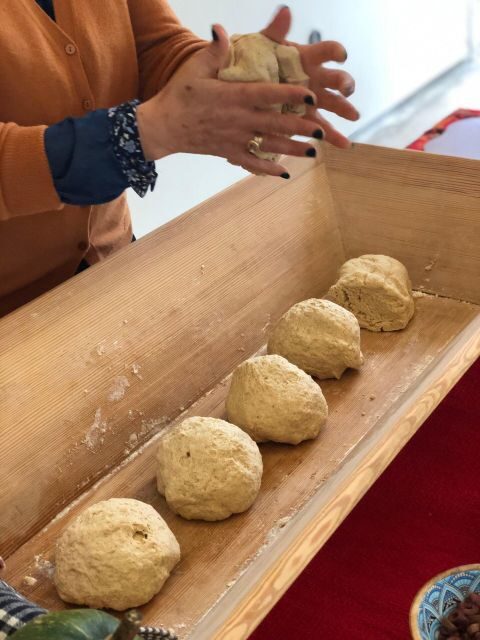
This is the payoff: when the loaves are ready, they go into the wood-fire oven. The class keeps you moving through the process, but the oven step is where everyone slows down, because the smell tells the story before you even cut into anything.
Your bread goes in and bakes until ready, and then you get to take your loaf out. The experience description and the feedback both emphasize that moment when you realize your kitchen creation is now real, hot, and fragrant—not just something you shaped an hour earlier.
Practically speaking, wood-fire baking can mean you’re learning by watching. You start to understand how heat and timing interact with dough, and why rest time matters. It also helps that your loaf is unique. When you pull it out, you can immediately compare your own flavor choices—extra mix-ins make it obvious.
This is also a good time to pace yourself. You’ll be hungry, and you’ll want to taste right away. Just remember: you still have the meal, more olive oil, and dessert later.
Farm-to-table Cretan salad: veggies you help pick, plus classic sides
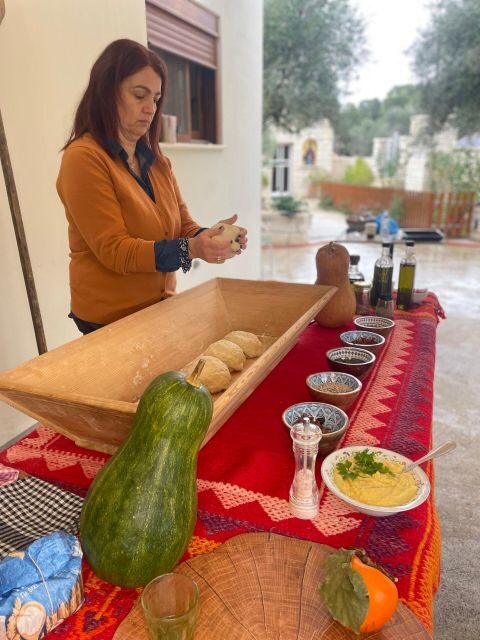
While the bread is finishing, you head to the farm. The idea is simple: you harvest veggies and learn how a Cretan meal comes together beyond bread.
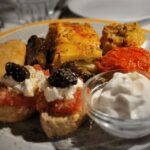
You’ll prepare a Cretan salad and other side dishes. From what’s mentioned, expect classics like Greek fava beans and other seasonal appetizers. The salad matters because it balances the richness of olive oil and bread with fresh, sharp, and herby flavors.
One more thing I like here: this isn’t just “here’s food, have a seat.” You’re doing pieces of the meal work, even if you’re not responsible for everything. It makes the lunch feel earned, and it also makes it easier to remember what you ate and why it tasted the way it did.
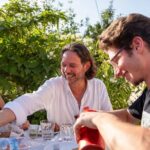
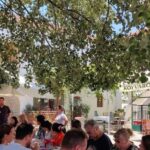
This is also the section where local wine flows. You get generous amounts, and that changes the mood. It stops feeling like a workshop and starts feeling like an actual shared table, the kind of meal where people talk while food keeps arriving.
Other food & drink experiences in Chania

Eating your bread with herb-flavoured olive oil (and not overthinking it)
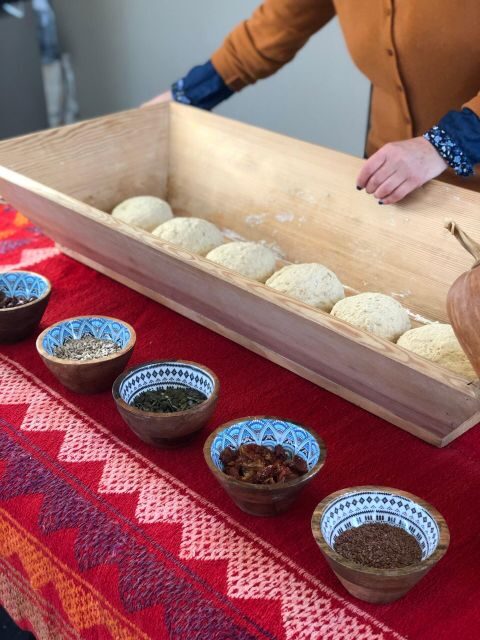
Once your loaves come out, you enjoy them as they are, then combine them with herb-flavoured extra-virgin olive oil. This pairing is the heart of the class: bread isn’t the only star, and the oil isn’t a separate activity.
I’d pay attention to how the oil behaves over warm bread. Warmth brings out aroma, and herbs can feel louder than they do in a cold drizzle. If you choose mix-ins like olives or seeds, you’ll also notice how salt and texture help the oil flavors land better.
The way Nikos and Alex run the day shows up here: the food feels guided, not scripted. In the off-season especially, the class can be small enough that conversation turns into a real back-and-forth about food traditions and daily life. You might also meet family members involved in the process—Veerna has been mentioned joining near the end, adding energy and helping everyone with finishing touches.
And yes, you’ll want to eat. That’s part of the deal. Something sweet is offered at the end too, so leave room rather than going full bread-only mode.
Price and logistics: is $106 good value for 4.5 hours?
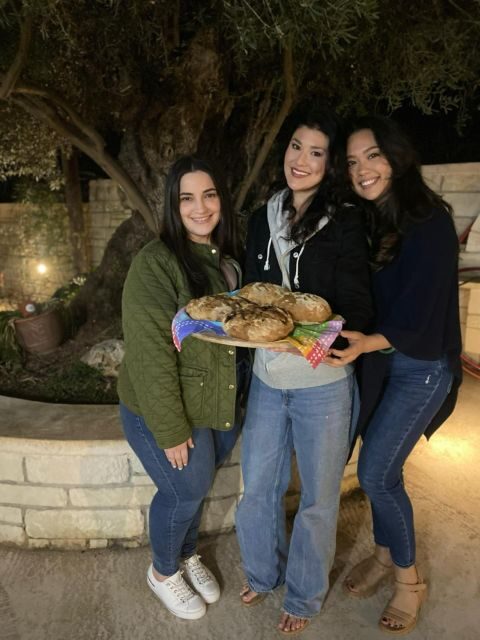
At $106 per person for about 4.5 hours, you’re paying for more than baking instructions. You’re getting: ingredients, lunch, generous local wine, a wood-fire bake, an olive grove lesson, a farm visit with veggie harvesting, and an olive oil tasting that’s timed to the bread.
If you break it down, that’s a lot of value bundled together. Many food experiences charge you for one skill (like “making bread”) and then you eat later on your own. Here, the meal is built into the schedule, and the bread and oil are directly connected to what’s served.
Logistics is the main trade-off. The cooking class is 10–15 minutes from the center of Chania in Nerokourou. You don’t have transportation included as part of the base price. You may be able to arrange transfer service for an extra fee depending on where you are, and the transfer is described as semi-private, using a 9-seat van and an EV, so you might share the ride with other participants.
Parking is mentioned along the fence, which helps if you’re driving. If you hate schedule stress, plan ahead: figure out taxi time or confirm the transfer before you head out for the day.
Wheelchair access is available, which is a helpful note if mobility is a concern.
Who should book this Chania sourdough and olive oil class
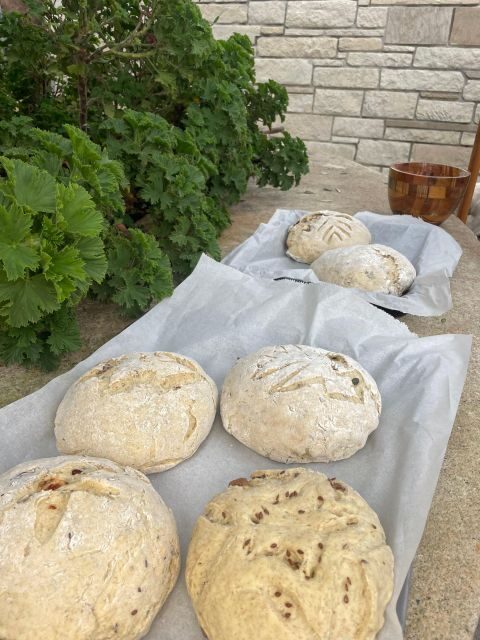
Book it if you want a food experience that feels like Crete, not a generic “cook and go” activity. It’s especially good if you care about understanding where ingredients come from—olive oil harvesting, herb blending, and how vegetables show up in a traditional salad and sides.
It’s also ideal for couples or friends who enjoy hands-on learning and then want to sit down and eat everything they made. The class style—host-led, friendly, and conversation-friendly—works well when you like chatting while you cook.
You might skip it if you’re short on time in Chania or if you strongly prefer city-center activities only. The location is outside the core, and you’ll want to be comfortable with a half-day schedule plus wine with lunch.
Quick planning tips for a smoother day
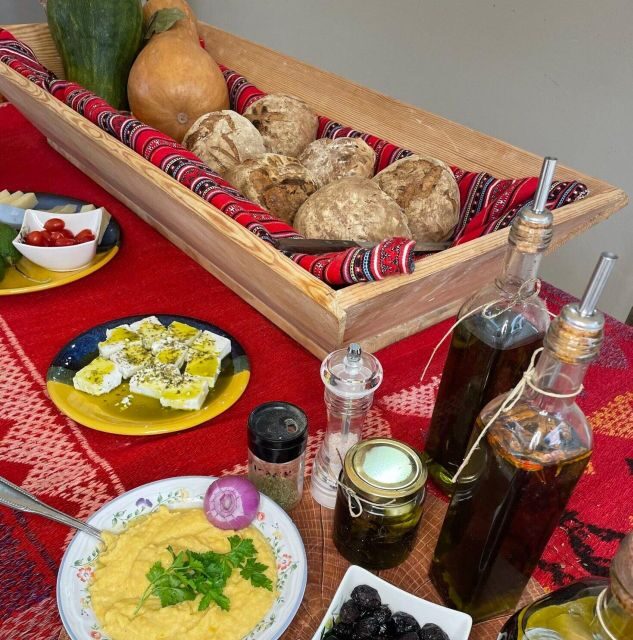
A few practical moves will help you enjoy the class more.
- Arrive with a plan for getting to Nerokourou, since transportation isn’t included in the base ticket.
- Plan to eat a full lunch with sides and wine, plus dessert at the end, so don’t stack a heavy dinner right after.
- Bring an appetite for both savory and sweet. The sequence is bread first, then olive oil tasting with the meal, then something sweet.
Also, remember that sourdough bread needs rest time. So even though you’re hands-on, you’ll spend part of the day learning and visiting rather than standing over dough.
Should you book the Chania sourdough bread class and olive oil tasting?
If you love olive oil and want to learn how it’s made and flavored—not just buy it—this is an easy yes. The biggest strength is the connection: bread, olive grove knowledge, herb oil tasting, and a full Cretan meal all land together during the same half day.
At $106 for 4.5 hours with ingredients, lunch, and generous local wine, you’re paying for a complete experience, not just a baking demo. Just be sure you’re ready for the Nerokourou location and a schedule that’s more than “bread only.”
If you want a Chania activity that tastes like the island and teaches you what to look for next time you buy olive oil or order Cretan salad, this class fits the bill.
FAQ
How long is the Chania sourdough bread class?
The experience lasts about 4.5 hours.
Where is the class located?
It’s in the Nerokourou neighborhood, about 10–15 minutes from the center of Chania.
What language will the instructor teach in?
The instructor teaches in English and Greek.
Is transportation included in the price?
No. Transportation is not included. You can ask about transfer service for an extra fee depending on your location.
Is the class wheelchair accessible?
Yes, the class is wheelchair accessible.
What will I make during the class?
You’ll prepare and bake your own sourdough bread loaf in a wood-fire oven.
Can I choose what goes inside my bread?
Yes. You can add extras you prefer inside the loaf, such as olives, sun-dried tomato, or seeds.
Will there be olive oil tasting?
Yes. You’ll taste extra-virgin olive oil, including a herb-flavoured version, and you’ll combine it with your bread.
What’s included for food and drinks?
You get ingredients, lunch, and generous amounts of local wine. Dessert is also offered at the end.
What’s not included?
Transportation is not included, and you’ll need to handle getting to the location on your own unless you arrange the extra-fee transfer.