REVIEW · CHANIA
Gastronomy tour and wine tasting in traditional villages
Book on Viator →Bookable on Viator
Five villages, two meals, and serious flavor. This Chania gastronomy and wine tasting tour strings together traditional stops with real local people, from sand-cooked Greek coffee to a modern olive oil mill visit. You also get guided visits to an old church and olive-oil site, plus lunch and dinner next to some very scenic Crete views, all with pickup and drop-off.
I especially love the tastings that feel rooted in place: the Greek coffee made the traditional way in hot sand at Armeni, and the sheep-milk ice cream in Fres with carob you won’t find in most other places. I also like the way the day turns food into a story, with a guided olive oil process taught on-site by Antonis at the mill, then paired with four local wines during the Lake Kournas meal.
One real consideration: expect a tight schedule and hearty eating. Even with breaks built in, the portions can be a lot, and a smaller vehicle can feel squished on longer stretches, depending on your group.
In This Review
- Key things I’d circle before booking
- Why This Chania Food and Wine Tour Makes Sense (Even Without a Car)
- Armeni Coffeehouse: Greek Coffee Slow-Cooked in Hot Sand
- Fres Village Tastings: Sheep-Milk Ice Cream, Carob, Graviera, and Raki
- Apokoronas 500-Year-Old Church and Its Herb Garden
- A River-Running Village Break for Photos and a Breather
- Georgioupolis Olive Oil Mill: Tour with Antonis and Real Tastings
- Lake Kournas: Two Views and a First Big Meal with Four Wines
- Apokoronas Dinner: Grape-Juice Chicken, Smoked Pork, and Beer-Marinated Mushrooms
- What the Tour Gets Right for Your Comfort
- Who This Tour Fits Best (and Who Might Skip It)
- Should You Book This Chania Gastronomy and Wine Tour?
- FAQ
- Is pickup and drop-off included?
- How long is the tour?
- What language is the tour offered in?
- How many people are in the group?
- What food is included?
- Are vegetarian, vegan, and gluten-free options available?
- Are alcoholic beverages included, and is there an age restriction?
- What do you do at the olive oil mill?
- Is wine tasting included?
- Is there free cancellation?
Key things I’d circle before booking
- Sand-cooked Greek coffee in Armeni, plus a calm coffeehouse setting with trees and streams
- Fres sweets and savory bites, including sheep-milk ice cream, carob flavors, graviera cheese, and raki
- Apokoronas church + garden, with a church at least 500 years old and a mix of herbs and fruit trees
- Olive oil mill guidance from Antonis, with virgin olive oil and olives to taste (and shop time if you want)
- Lake Kournas meal with sea-lake-mountain views plus four local wines
- Small group size (max 12) with air-conditioned transport and included snacks and drinks for the day
Why This Chania Food and Wine Tour Makes Sense (Even Without a Car)
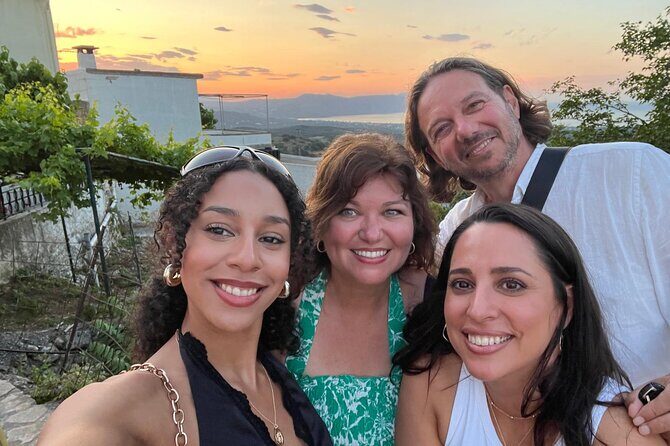
This is the kind of tour that saves you from the hardest part of Crete travel: figuring out where to go, finding the right local places, and then getting there without burning half your day on transport. With pickup and drop-off from your designated spot, you can focus on the food and the villages, not the logistics.
The schedule is also built around short, memorable stops rather than long, boring wait time. You’re out for about 5 to 6 hours, in a small group (up to 12), moving from one traditional setting to the next. It’s a nice fit if you want a “see more than just Chania” day without committing to a rental car.
Value-wise, the price includes a lot of what would otherwise cost extra: a guided visit to the olive oil mill and the old church area, lunch and dinner at family restaurants, alcoholic beverages (age 18+), snacks, and the admission fees listed for stops. At $216.25 per person, it’s not a budget snack crawl. But if you add up guided time + two meals + wine, the math starts to look fair for the experience you get.
Other wine & olive oil tastings we've reviewed in Chania
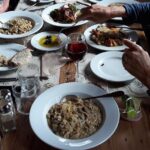
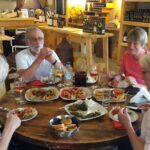
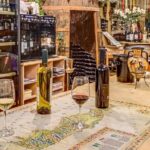
Armeni Coffeehouse: Greek Coffee Slow-Cooked in Hot Sand
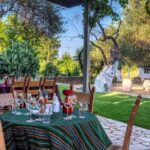
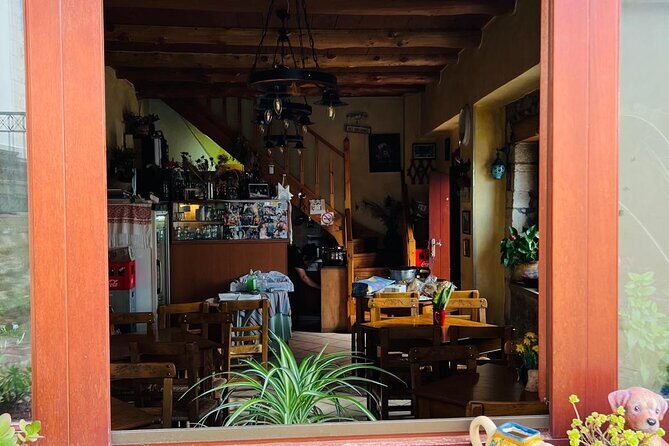
Stop 1 in Armeni is all about getting your taste buds awake before the heavier food starts. You’ll visit a traditional coffeehouse tucked into a setting with trees and streams, which makes the whole pause feel like a break, not just a scheduled stop.
The big moment here is the Greek coffee made the traditional way. Instead of typical brewing, it’s slow-cooked in hot sand, which gives it a deeper, stronger flavor. You’ll get about 30 minutes here, so it’s enough time to order, watch, and actually enjoy the moment.
What I like about this stop: it’s not just coffee for coffee’s sake. It’s an easy way to understand how small traditions shape everyday flavor on Crete. If you like coffee, you’ll feel like you got something specific and local, not a generic tourist sip.
Fres Village Tastings: Sheep-Milk Ice Cream, Carob, Graviera, and Raki

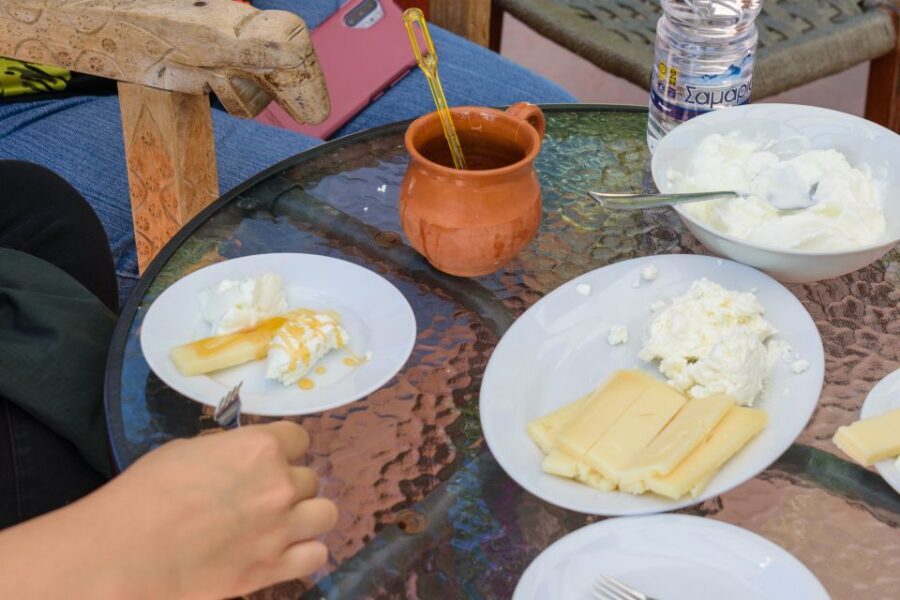
Fres is where the tour turns playful. You’ll try traditional ice cream made from sheep milk, something the tour notes as something you can find in Chania. It’s not the type of ice cream you stumble across everywhere, and that alone makes this stop feel like a win.
Then comes carob flavor. Carob is tied to Crete, and the tour description points out that this specific carob tasting is unique. If you don’t know what carob tastes like, think of it as a flavor rooted in the island rather than a copy of chocolate.
On the savory side, you’ll taste the Cretan cheese graviera, which is used to make saganaki. And if you’re open to a little challenge, the cheese shop owner offers raki, a traditional Cretan drink that the tour describes as quite strong. This is the kind of tasting where your best move is to sip slowly, because you’ll want to keep your energy for the meals later.
This stop is short (also around 30 minutes), but it’s packed. It’s ideal if you like contrast: sweet, then savory, then something with a kick.
Apokoronas 500-Year-Old Church and Its Herb Garden
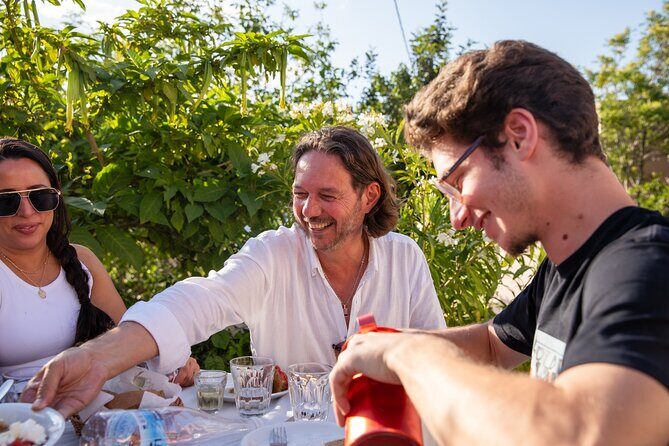
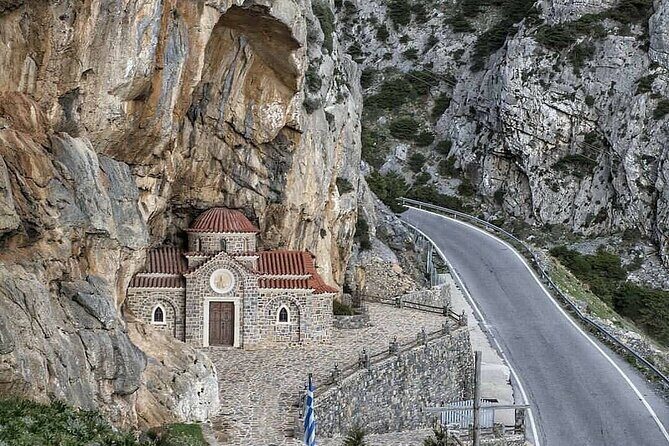
Stop 3 is Apokoronas, and it’s a welcome shift from food to place. You’ll visit an old church described as at least 500 years old. The tour sets it up as both historically meaningful and visually beautiful, with a strong focus on the church’s interior and exterior.
After the church, you’ll spend time in a garden filled with flowers, herbs, and fruit trees. Expect names like apricot tree, fig tree, banana tree, carob tree, walnut tree, quince tree, and more. Even if you don’t know every plant, the effect is memorable: it makes the island feel agricultural, not just scenic.
Why this stop works in a food tour: it reminds you that Cretan eating is tied to what grows locally. When you later taste dishes with olive oil, grains, herbs, and wine, the flavors feel less random. You’re basically seeing where the ingredients come from.
The stop is about 45 minutes, which is enough time to look closely without turning it into a long museum moment.
A River-Running Village Break for Photos and a Breather
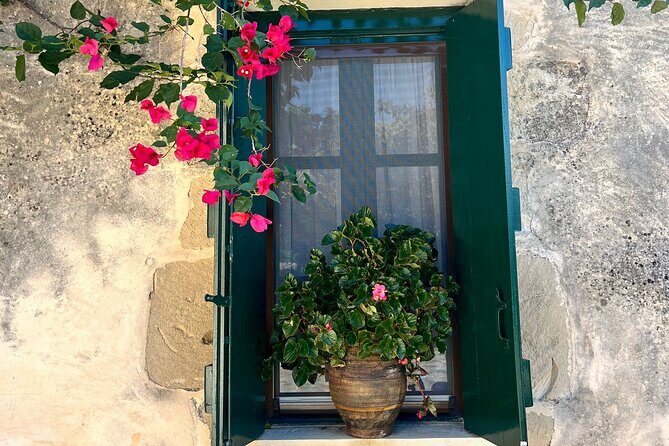
Between the bigger stops, the itinerary includes a stop in a beautiful village where a river passes through. It’s not described in detail, but it serves an obvious purpose: break up the driving with a calmer moment.
Use it for what these stops are best at:
- get a few photos without rushing
- reset your appetite so you don’t feel overloaded later
- enjoy the small-scale feel of village Crete
If you’re the type who likes to stop and look around, this is your chance.
Other Apokoronas & village tours we've reviewed in Chania
Georgioupolis Olive Oil Mill: Tour with Antonis and Real Tastings
Stop 4 is Georgioupolis, and this is where the tour earns its wine-and-food credibility. You’ll visit a modern olive oil mill, and the producer and friend Antonis guides you through the process of olive oil making.
You get time to ask questions, which matters here. Olive oil can sound like a food buzzword, but when someone walks you through how it’s made and what to look for, you start tasting with more understanding. After that, you’ll taste virgin olive oil and olives. There’s also a chance to buy souvenirs or traditional products like oil, olives, or even handmade cooking pots, with an exhibition area in the mill.
This stop lasts about 45 minutes. It’s long enough to learn without stealing your whole day.
If you buy anything, buy with intent. Choose what you’ll actually use after the trip, not just what looks cute. The oils and olives are the obvious “bring Crete home” choices.
Lake Kournas: Two Views and a First Big Meal with Four Wines

Lake Kournas is where the tour leans cinematic. You’ll have the first meal at the stunning lake of Kournas, with a view that includes the sea, lake, and mountains. This is not a hidden backroad lunch. It’s a meal with scenery, and it’s built into the itinerary for a reason.
The food comes as traditional Cretan dishes, including:
- tsigariasto arni (lamb cooked with oil and wine)
- anitchristo arni (lamb slow-cooked in fire)
- ntolmadakia (grape leaves stuffed with rice)
- kolokithoanthous (zucchini flowers stuffed with rice)
- imam baildi (eggplant cooked with garlic, onion, fresh tomato sauce, cream cheese, and olive oil)
and more.
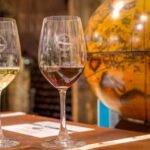
Then you get to taste four local wines. That pairing is the real point of the wine tasting here. You’re not sipping wine in a vacuum. You’re tasting it alongside dishes shaped by olive oil, herbs, and slow-cooking methods.
Plan on taking your time. This stop is about 1 hour 15 minutes, which helps you slow down after the earlier village pace.
Apokoronas Dinner: Grape-Juice Chicken, Smoked Pork, and Beer-Marinated Mushrooms
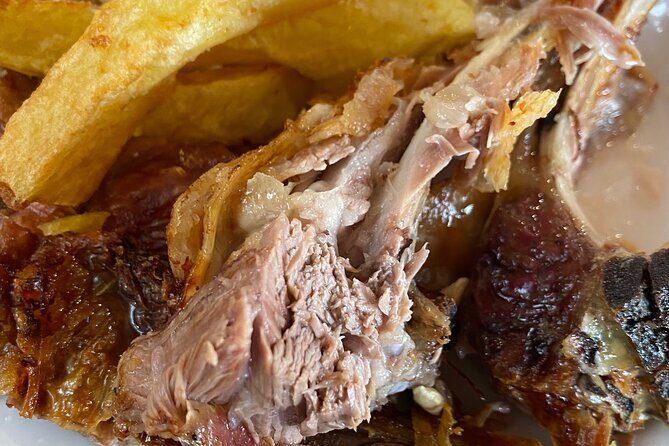
The second meal is another 1 hour 15 minutes, and the vibe shifts again. The dishes are described as completely different from the first meal, so this isn’t repeat plates with slightly different garnish.
Examples include:
- chicken cooked with grape juice
- pork meat with tomato sauce and peppers
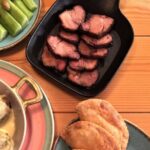
- smoked pork with oregano and sage
- mushrooms marinated with beer
and other dishes.
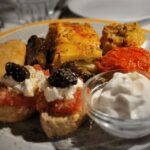
This is the part that I’d describe as the tour’s “you really came to eat” payoff. If you love savory, wood-smoke flavors, herb-forward cooking, and anything tangy from grape or wine-based ingredients, this portion is going to land well.
It’s also where you should be honest with yourself. Some reviews mention it can feel like there’s too much food. My practical advice: go in hungry, but pace your bites so you don’t end up overwhelmed halfway through.
What the Tour Gets Right for Your Comfort
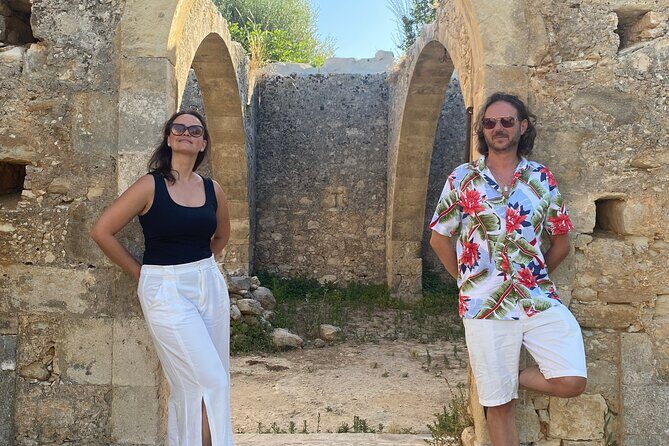
Transport matters on a day like this, and the tour includes an air-conditioned vehicle plus pickup and drop-off from your designated spot. That helps a lot, especially when you’re bouncing between villages and scenic stops.
Group size stays small (max 12 travelers), which usually means less chaos at tastings and more chances to interact with the guide at the olive oil mill and the tastings. A review also mentioned a bit of crowding in the car on their day, so if you’re tall or broad shouldered, it’s worth considering that your comfort may depend on the vehicle used.
Also, the day includes lunch and dinner, plus snacks, and lists vegetarian, vegan, and gluten-free options. That’s a big deal on a food-focused tour. It means you’re not just “allowed” to eat; you can usually expect to eat something that fits your needs.
Who This Tour Fits Best (and Who Might Skip It)
This is a strong pick if you:
- want a guided day focused on local food and wine, not just sightseeing
- don’t want to rent a car to reach multiple villages around Chania
- enjoy tasting different foods in quick succession
- like learning how ingredients are made, especially olive oil
It’s also a great match if you travel with someone who loves to eat and talk with a guide. One guide name that shows up in the experiences shared is Yannis, noted for being friendly and for bringing enthusiasm to both food and culture.
You might think twice if you:
- prefer light snacking over full meals
- dislike long stretches of structured eating and tastings
- want a slow, shopping-heavy day with lots of free time
Should You Book This Chania Gastronomy and Wine Tour?
If you’re hungry for a day that mixes villages, guided olive oil knowledge, and two sit-down meals with wine, I’d say yes. The tour’s biggest strength is that it turns food stops into a connected experience: coffee tradition, cheese and raki, garden-grown ingredients, olive oil making, then wine paired with classic dishes at Lake Kournas and again in Apokoronas.
Book it if you like eating on purpose and you want Crete beyond the main tourist strip. If you’re cautious about portion size or vehicle comfort, choose your expectations carefully. Go ready to taste, but don’t feel pressured to clean your plate.
FAQ
Is pickup and drop-off included?
Yes. The tour includes pick up and drop off from your designated spot.
How long is the tour?
The tour runs about 5 to 6 hours.
What language is the tour offered in?
It is offered in English.
How many people are in the group?
The maximum group size is 12 travelers.
What food is included?
Lunch and dinner are included, along with snacks. The stops also include coffee and ice cream tastings.
Are vegetarian, vegan, and gluten-free options available?
Yes. Vegetarian, vegan, and gluten-free food options are available for lunch, dinner, and snacks.
Are alcoholic beverages included, and is there an age restriction?
Alcoholic beverages are included, with an age restriction of 18 years old and above.
What do you do at the olive oil mill?
You get a guided tour of the olive oil factory process, led by the producer Antonis, plus you can taste virgin olive oil and olives.
Is wine tasting included?
Yes. At Lake Kournas, you’ll taste four local wines.
Is there free cancellation?
Yes. You can cancel for free up to 24 hours in advance for a full refund.