REVIEW · CHANIA
From Chania: Imbros Gorge Guided Hike and Village Visit
Book on GetYourGuide →Operated by Allcretetours · Bookable on GetYourGuide
Imbros Gorge feels like a natural hallway. This guided day trip takes you from Chania into the White Mountains for a 9 km hike through Imbros Gorge, then finishes with swimming and lunch in Chora Sfakion on the Libyan Sea. It’s a smart mix of movement, history, and a proper payoff by the water.
I really like that the hiking portion is set up for real people, not just hardcore trekkers: about 2.5 hours on a mostly manageable trail, with time for breaks and photos. I also like the guide-led details along the way, including stops tied to local landmarks such as the Xepitira Arch, plus the famous super-narrow pinch point where the gorge walls close in.
One thing to consider: the walk includes rocky sections and a short, steeper descent at the start, so proper shoes matter. Also, you may need cash for the gorge entrance fee on site, even though the rest of the tour is smoothly organized.
In This Review
- Key Points You’ll Care About
- From Chania to the Gorge and Back: Why This Day Works
- The Ride: Pickup Options, Timing, and Real Comfort
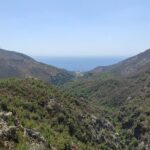
- Imbros Gorge: 9 km of Downhill Scenery and Sharp Moments
- Start-of-Walk Reality Check
- Toilets and Breaks Inside the Day
- The Guide Part: How the Info Changes What You See
- Komitades and the Gorge Finish: When the Walking Stops
- Chora Sfakion: Lunch, Swim, and the Venetian Fortress Views
- The Venetian Fortress Ruins Above the Coast
- Price and Value: Is $35 a Good Deal?
- What to Bring (So You Don’t Hate the Rocky Bits)
- Who This Tour Fits Best
- Should You Book This Imbros Gorge Hike From Chania?
- FAQ
- How long is the tour?
- Does the tour include hotel pickup and drop-off?
- Is there a guide, and is the tour in English?
- How long is the hiking portion through Imbros Gorge?
- Is lunch included?
- Are there toilets available during the day?
- What should I bring?
Key Points You’ll Care About
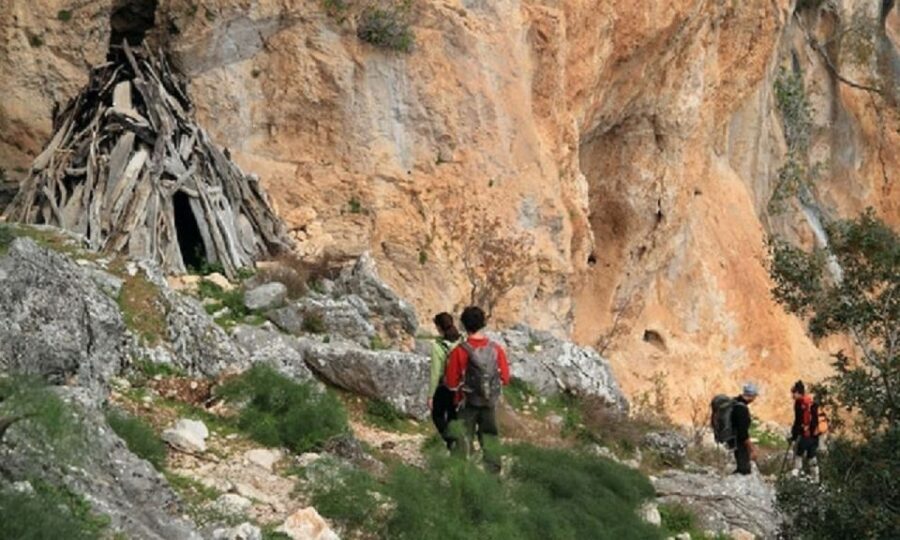
- 9 km Imbros Gorge route with a dramatic narrow section under 2 meters
- Landmarks on the trail like the Airplane, Stenada, Mesofarango, and Xepitira Arch
- Guided context, simple route: follow the gorge path downhill, with a guide to explain what you’re seeing
- Chora Sfakion swim reward in the Libyan Sea after lunch
- Venetian fortress ruins above the coast for big views over the Sfakia region
- Hotel pickup and drop-off across many Chania-area stops, using an air-conditioned bus
From Chania to the Gorge and Back: Why This Day Works
This tour is built for the day you want to “get outside,” without losing the whole day to driving. You start with hotel pickup, then you’re on an air-conditioned coach heading toward the White Mountains and the Imbros Gorge area. It’s a classic Cretan format: travel comfortably, hike smartly, finish with a sea-side reset.
What makes it feel worthwhile is the pacing. The hike isn’t treated like a race, and there’s built-in breathing room for breakfast before you start and a break while you’re in the gorge. Then you’re not stuck “just hiking”—you end with water time and views from the coast.
You’ll also get the kind of guidance that turns a walk into something you understand. The guide points out named spots on the route, so you’re not just stepping over stones and hoping you’re going the right way.
Other Imbros Gorge hikes we've reviewed in Chania
The Ride: Pickup Options, Timing, and Real Comfort
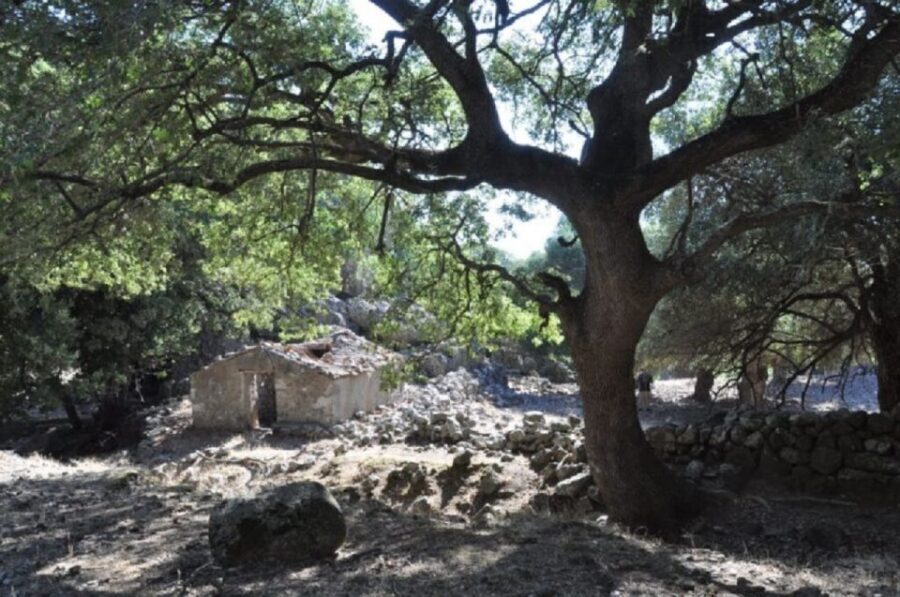
From Chania, pickup is the big convenience win. There are a lot of start points around town and along the coast, so you’re usually not solving a complicated meeting location. You’ll receive pickup details ahead of time, and the coach is air-conditioned, which matters in warmer months.
Plan for about 1.5 hours of driving before you reach the gorge area. That sounds long until you realize it buys you time you’d otherwise spend arranging buses, parking, and transfers on your own. Once you’re there, you get time for breakfast before the walk begins.
If you’re travel-wary about buses, you’ll appreciate that the transfer part is treated like the beginning of the experience, not an afterthought. The driver is expected to be careful and efficient, which helps when roads twist toward the mountains.
Imbros Gorge: 9 km of Downhill Scenery and Sharp Moments
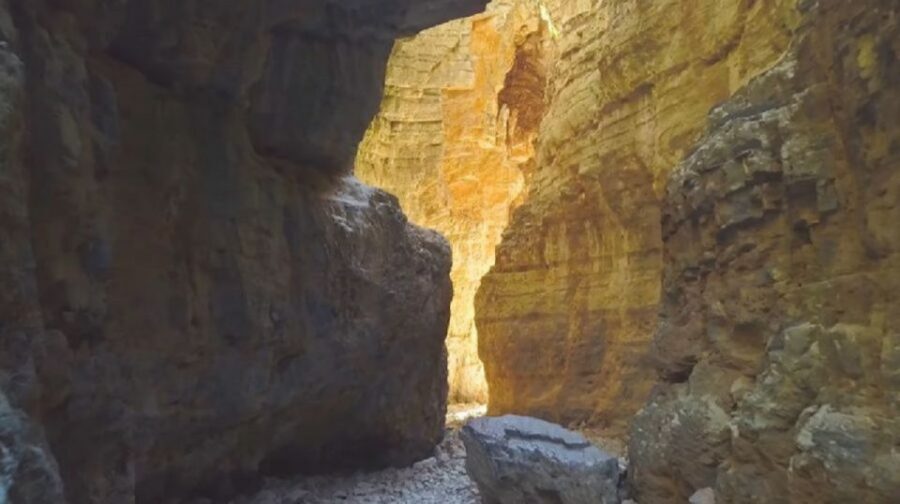
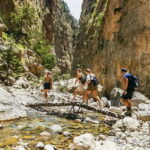
Imbros Gorge is the kind of hike that rewards attention, not speed. The route covers about 9 km, and the overall time in the gorge is roughly 2.5 hours for the trail portion, depending on pace and stops. It’s often described as ideal for families, especially because the direction is mostly downhill.
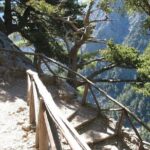
The trail is also very “feet first.” It’s not a paved walkway. You’ll be on small rocks and uneven ground, so closed shoes are essential. Even if you’re fit, expect moments where you need to watch your footing and maybe do a little scrambling.
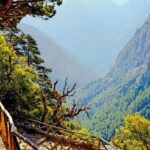
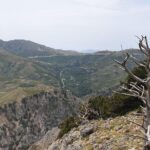
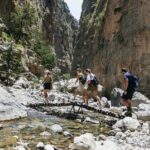
The most memorable physical moment is the gorge narrowing down dramatically, reported as less than 2 meters at its tightest. When you reach that section, you feel the walls close in—towering rock on both sides—so the hike stops being just pretty and becomes a proper sensory experience.
Along the trail, the guide helps you connect what you see with what the gorge means locally. You’ll hear about the historic route that once linked Sfakia and Chania, and you’ll stop at named landmarks such as:
- the Airplane
- Stenada
- Mesofarango
- the Xepitira Arch
That naming matters. Without it, a gorge can feel like one long corridor. With it, you start spotting features and remembering where you are, which makes photos easier and the whole walk more satisfying.
Start-of-Walk Reality Check
One practical detail: the hardest part for many people is the beginning descent to the area where you collect tickets and get started. After that, the gorge trail tends to feel more like steady downhill walking than constant steep climbing.
So if you have a choice, treat the first 15–25 minutes as your warm-up. After that, your rhythm usually finds a groove.
Toilets and Breaks Inside the Day
Plan for a real “hike day” rhythm. There’s time for breakfast before you start, and you’ll have a break while you’re in the gorge. You may also find toilets available before the walk begins, and there’s at least one basic toilet facility during the route area.
Nothing here is luxury. Think simple and functional. The important part is that you’re not going into the gorge totally unprepared.
Other guided tours in Chania
The Guide Part: How the Info Changes What You See
The guides are a big reason this trip has a strong reputation. Names you might be with include Carolina, Ingrid, Irenie, and sometimes Manos (and you’ll often also have Nikos as a driver). Even when the group changes, the style seems consistent: clear instructions, frequent orientation points, and practical safety awareness.
You’ll also learn more than just “this rock looks cool.” The gorge route is tied to history, including its use as an escape route during the 1941 Battle of Crete for Allied soldiers. That context helps you understand why people moved through here even when it was rough and dangerous.
For me, the best guide moments are the “you’re here, now notice this” parts:
- what a named landmark refers to
- what to watch for as the trail gets rocky
- where the key narrowing points happen
- how to regroup and meet at the end
If you like hiking, but you want your walk to feel meaningful (not just scenic), this is that sweet spot.
Komitades and the Gorge Finish: When the Walking Stops
As you reach the end of the gorge section, you’ll arrive around Komitades, where transportation is ready. This is the “transition moment” that makes the day work. You don’t have to guess how long you’ll be walking, or what happens after the last rocks.
At that point, the tour shifts from hiking mode to seaside mode. You’re back on the coach for the drive onward, with less mental effort and more time to settle in.
Chora Sfakion: Lunch, Swim, and the Venetian Fortress Views
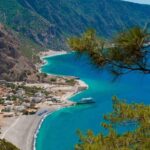
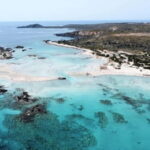
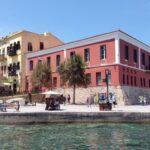
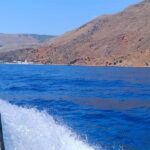
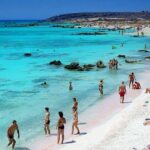
After the gorge, Chora Sfakion is where the day cashes in. You’ll stop for lunch in Sfakia and then get time to swim in the Libyan Sea. The swim is the perfect reset: you’ve been down on foot all morning, and now you get to cool off and let your muscles unclench.
This is also where the pace becomes more “holiday.” You’ll have time to relax on the beach, find a place to change (there’s a simple changing area), and enjoy the seaside atmosphere.
A key practical point: lunch is not necessarily included in the tour price. The day is set up so you can eat at village tavernas, but you should plan on spending extra for food. The upside is choice—you can go with what sounds good in the moment.
The Venetian Fortress Ruins Above the Coast
Before the day ends, you can visit the remnants of the Venetian fortress for panoramic views over the Sfakia region. Even if you don’t stay long, this stop is worth it because it gives you the big-picture perspective. You’ve just walked through a tight rocky corridor—now you see the wider coast and understand why this region matters.
Price and Value: Is $35 a Good Deal?
At $35 per person for an 8-hour day, the value is strongest if you want three things in one package:
1) a guided explanation along the gorge route
2) hotel pickup and drop-off (so you don’t have to DIY the transport)
3) a real payoff after hiking, with seaside swim time
The tour includes pickup/drop-off, a hiking guide, an air-conditioned luxury bus, and liability insurance. What’s not included is the food in the village (meaning your lunch at Sfakia may cost extra). You should also budget for the gorge entrance fee on site, which is often paid in cash—so bring a little money just in case.
So is it worth it? If your plan is to hike Imbros and you don’t want the hassle of coordinating transport, $35 feels fair. If you’re already renting a car and comfortable arranging the gorge on your own, you might pay less by DIY—but you’ll give up the guided context and the easy logistics that make this day low-stress.
What to Bring (So You Don’t Hate the Rocky Bits)
This is one of those tours where your gear matters more than your fitness level.
Bring:
- Comfortable closed shoes (rocky trail = easy to stub or twist without proper grip)
- Hat and sunscreen (the gorge can be cooler in places, but sun still finds you)
- Swimwear (the seaside stop is part of the point)
- Water (bring enough for the hike stretch)
- A small bag you can keep dry during the day
If you want a simple tip: pack with “hike first, swim second” in mind. Everything else is optional.
Who This Tour Fits Best
I’d point this tour toward people who want:
- a guided hike that explains what you’re seeing
- a manageable day length (about 8 hours total)
- a clear finish with sea time and views
It’s especially attractive if you’re traveling with family, because the hike timing and structure are designed to be accessible. Just don’t confuse accessible with easy-smooth. The ground is rocky, and the start can be steep.
If you’re nursing a foot injury or you hate uneven footing, this may not feel great. And if you hate any chance of scrambling, you might feel more tense than you’d like.
Should You Book This Imbros Gorge Hike From Chania?
If your ideal day is a real hike plus a payoff by the sea, I’d book it. The combination of the Imbros Gorge walk, named landmarks like Xepitira Arch, and then the Chora Sfakion swim is a strong value formula—especially because pickup/drop-off reduces stress.
I’d skip it only if you’re uncomfortable with rocky trails and the possibility of a small entrance fee paid in cash. Otherwise, this is a solid “do it while you’re in Chania” choice that gives you scenery, history, and a relaxing end in the same day.
FAQ
How long is the tour?
The total duration is about 8 hours.
Does the tour include hotel pickup and drop-off?
Yes. Pickup and drop-off are included, with pickup from your hotel or the closest point to it.
Is there a guide, and is the tour in English?
Yes. The tour includes a live tour guide in English.
How long is the hiking portion through Imbros Gorge?
The hiking on the trail is about 2.5 hours, covering around 9 km.
Is lunch included?
Food in the village is not included, so you should plan to pay for lunch at Sfakia.
Are there toilets available during the day?
There are toilets available before the walk begins, and there is at least basic toilet access during the hike area.
What should I bring?
Bring comfortable closed shoes, a hat, swimwear, sunscreen, and water.