REVIEW · CHANIA
From Chania: The Ultimate Food Tour Of Chania Villages
Book on GetYourGuide →Operated by GS tours · Bookable on GetYourGuide
Food tastes better when you watch it made. This tour is a smart way to experience East Chania through olive oil and raki production and a lineup of tastings that explain how Cretan staples are made, not just served. Guides such as Maria, Andres, and Yannis help connect the dots with clear English and an easygoing vibe, and you end up leaving with a stronger sense of daily Crete and where flavors come from. One drawback to keep in mind: a couple of the tasting moments can be small, like the bakery stop where you may get only a quick sample.
You’re out for about six hours, riding between villages in an air-conditioned minibus with hotel pickup and drop-off in the Chania area. I like that the day is built around working small businesses—an olive mill, a distillery, a cheese factory—so you’re not just hopping from one storefront to another. Still, plan your timing carefully because the driver won’t wait long at pickup.
If you care about practical food learning—how extra virgin olive oil is produced, what makes different cheeses different, and how tsikoudia/raki gets distilled—this is the kind of tour that turns a snack trip into a real day of understanding.
In This Review
- Key highlights worth caring about
- Why this East Chania food tour feels local (not staged)
- Olive mill morning: extra virgin olive oil, explained in real time
- Tsikoudia (raki) distillery visit: traditional meets modern
- Embrosneros bread and cheese: the stops that turn flavor into memory
- Bakery tasting: bread, cookies, biscuits
- Cheese factory: Graviera, Anthotiros, Mizithra
- Fres lunch and the kafeneio experience you can actually use
- Timing, comfort, and pickup rules you shouldn’t ignore
- Price and value: what $135 buys in a real day of taste
- Who should book this tour, and who might not
- Smart tips to get the most out of your six hours
- Should you book this tour?
- FAQ
- How long is the tour?
- How much does it cost?
- What is included in the price?
- Is hotel pickup included, and where does it operate?
- What language is the tour guide?
- Are additional food and drinks included?
- What’s the cancellation policy?
Key highlights worth caring about
- A working olive mill stop where the production process is explained from harvest-style basics to tasting.
- Tsikoudia (raki) made in both traditional and modern contexts, ending with a tasting session.
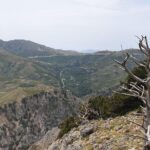
- Village-hopping through Apokoronas province, including routes that lead toward the White Mountains foothills.
- Cheese education plus hands-on tasting of Graviera, Anthotiros, and Mizithra with honey and rusk.
- A bakery break in Embrosneros for local bread and biscuits (samples can be brief).
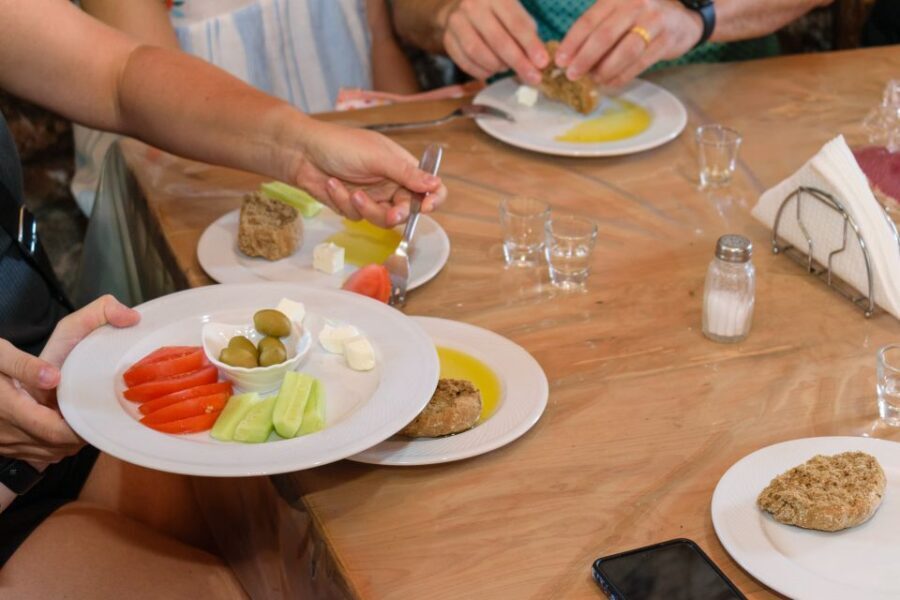
- Lunch in Fres at a village kafeneio-style stop, where local food is the main event.
Why this East Chania food tour feels local (not staged)
This is one of those tours where the ingredients are the headline. You spend a big chunk of the day with Cretan products that actually run the economy and the household table: olive oil, cheese, honey, raki/tsikoudia, and the breads and cookies that show up with coffee.
What makes it work is the order of stops. You start with olive oil production, then move into alcohol distillation, then shift into cheese and baked goods. By the time you hit lunch in Fres, you’re not eating on autopilot—you’re tasting with context. The result is a day that feels like you’re learning the logic of Cretan cooking, where strong flavors come from simple, well-made staples.
English-language guidance also matters here. The day is built around explanations, so even small moments—like how a process changes the taste—are easier to catch when your guide can translate. People have praised the guide experience specifically, with names like Maria and Andres standing out, and Yannis described as funny, friendly, and talkative.
Other Apokoronas & village tours we've reviewed in Chania
Olive mill morning: extra virgin olive oil, explained in real time
The tour starts at a local olive mill, and that’s a big deal. Olive oil is everywhere in Crete, but it’s also one of those things where the difference between good and great is hard to see unless someone walks you through the steps.
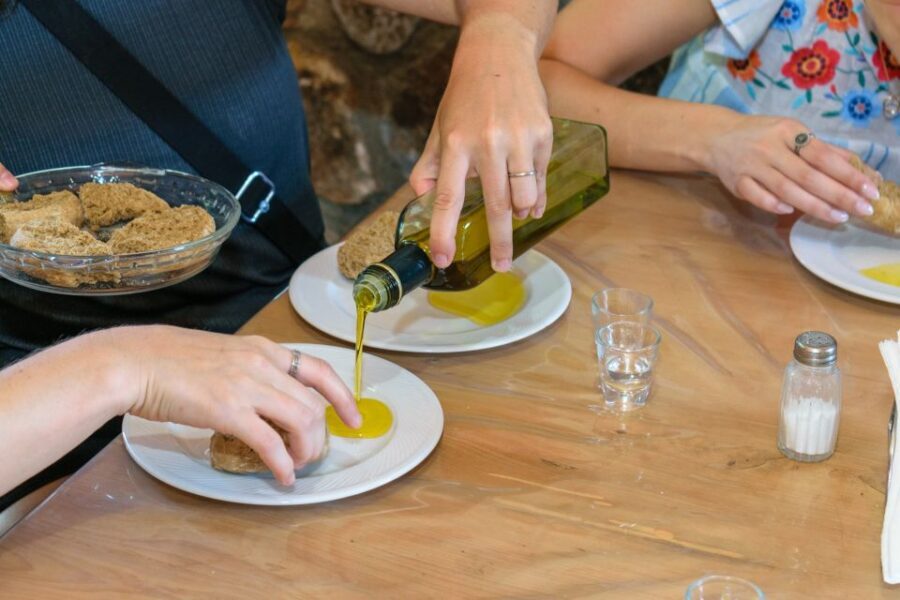
Here, you get to see how the production process works and why extra virgin olive oil tastes the way it does. You’ll get the full arc from harvesting to what happens next, and then the tasting part. That tasting is where the theory becomes useful. You stop thinking of olive oil as just a bottle on a table and start tasting it as a product shaped by processing.
What you’ll like most: tasting after you’ve watched production. It helps your brain connect flavor notes to real steps, instead of guessing.
A small consideration: mills and production areas can be busy and practical places. If you’re sensitive to strong smells (olive fruit, press residue, etc.), know you’re stepping into the real workspace, not a polished demo room.
Tsikoudia (raki) distillery visit: traditional meets modern
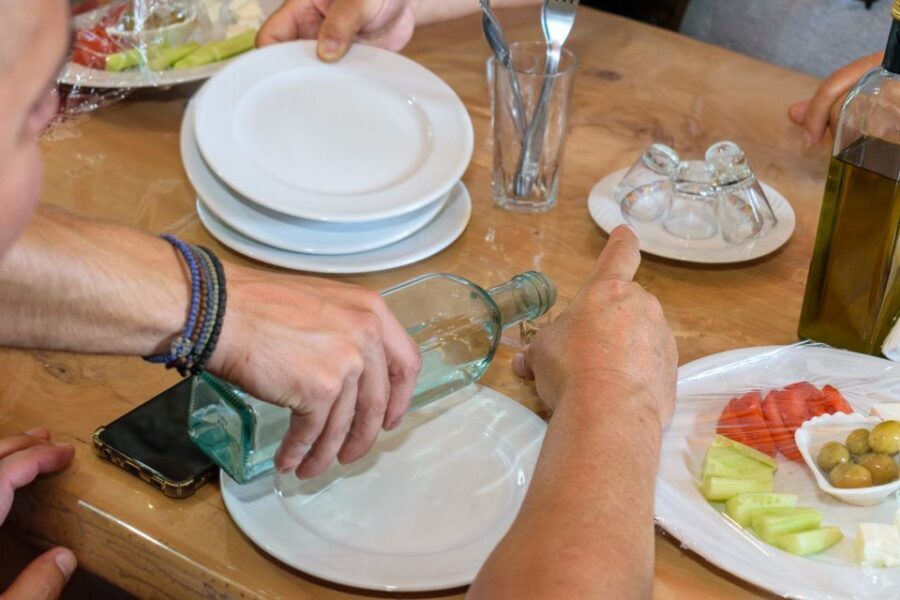
After olive oil, the tour moves into tsikoudia—often called raki in tourist shorthand, but on Crete it’s more than a generic spirit. You visit a local distillery in a traditional village setting, and you also get a look at a more professional, contemporary side of production.
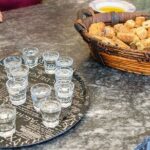
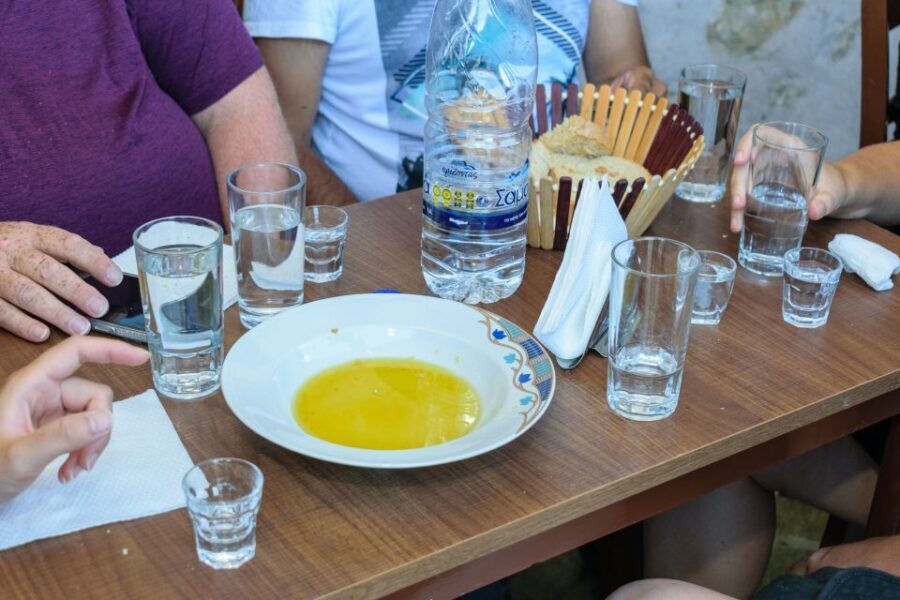
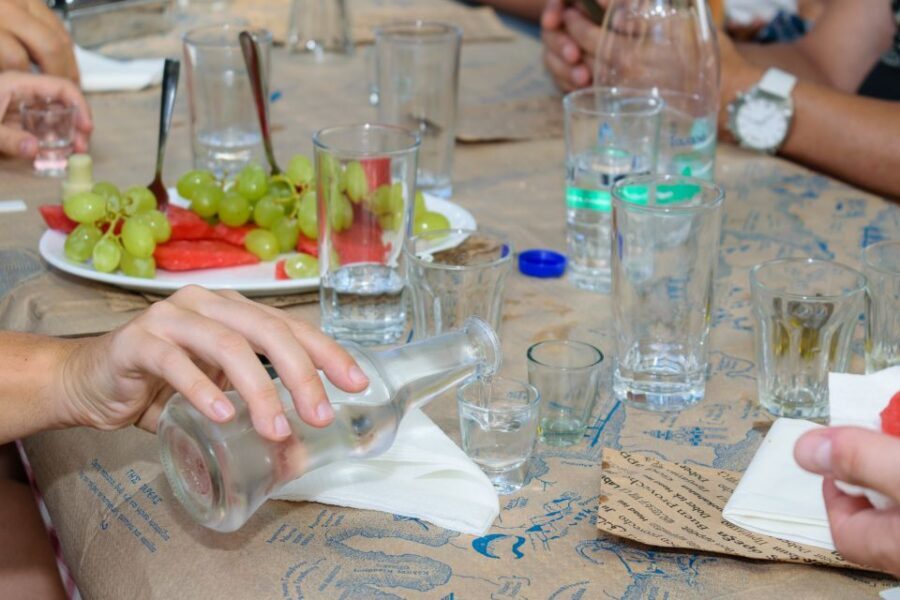
That two-part approach is smart because it shows how the same spirit can be produced with different equipment and methods. You end with a tasting session, which is where the day starts to feel fun in the best way: you’re not drinking randomly. You’re tasting as part of a production story.
Why it’s valuable for your trip: if you plan to eat Crete and try local drinks, tasting on the tour gives you a reference point. Later, when you order raki/tsikoudia somewhere else, you’ll recognize the style instead of it all blending into one.
What to watch for: this is still a food and tasting day. If you’re not a big alcohol drinker, you can still enjoy the process and taste, but pace yourself so you don’t feel rushed during the rest of the stops.
Embrosneros bread and cheese: the stops that turn flavor into memory
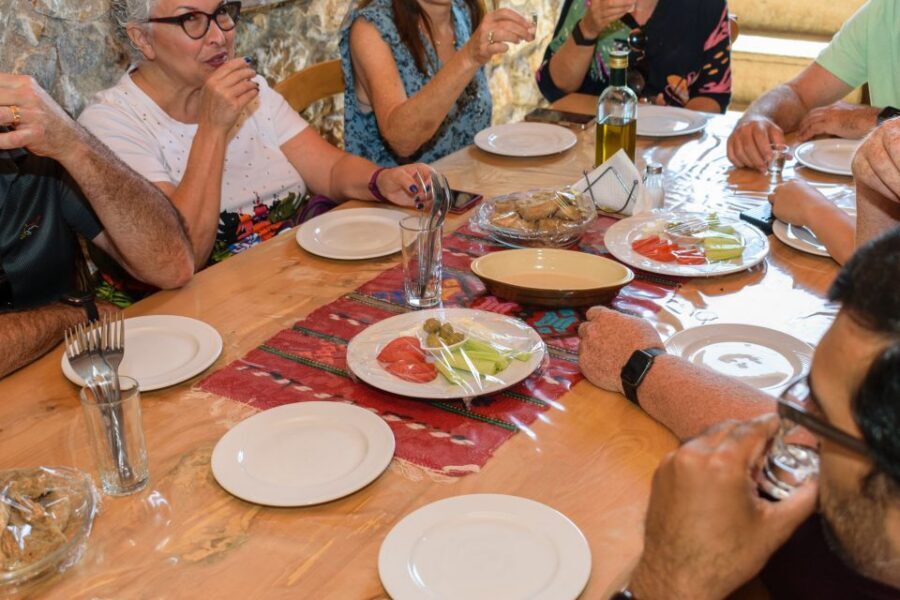
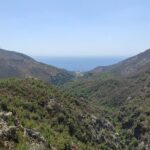
The tour heads through village roads that lead toward the White Mountains foothills, then arrives at Embrosneros for two key stops: a bakery tasting and a cheese factory visit.
Bakery tasting: bread, cookies, biscuits
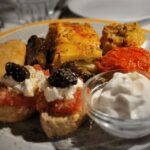
In Embrosneros, you’ll first stop at a bakery to taste local bread, cookies, and biscuits. It’s a good reset after earlier production stops because the flavors are softer and more everyday—exactly the kind of food you’d see on a Cretan table.
One note to manage expectations: bakery tastings can be brief. If you love desserts and baked goods, you might find the sample portion smaller than you hoped, especially if you’re expecting a long parade of cookies.
Other food & gastronomy tours we've reviewed in Chania
Cheese factory: Graviera, Anthotiros, Mizithra
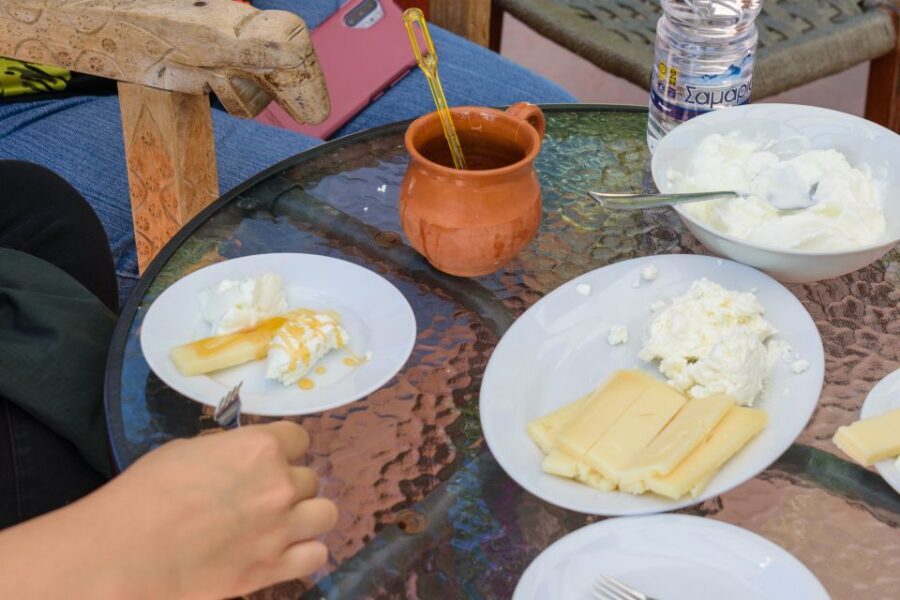
Next comes the cheese factory, and this is one of the highlights. You’ll learn how several cheeses are made in front of you, then taste them side by side.
The cheeses included are:
- Graviera
- Anthotiros
- Mizithra
Then you taste them paired with local honey and rusk, which is dry bread. That pairing matters. Honey adds sweetness and aroma; rusk adds crunch and a sturdy base. Together, you start noticing what changes when you add something to cheese, not just when you taste cheese alone.
Why this is the kind of learning that sticks: you get a small lineup and a short set of pairings. Instead of being overwhelmed, you can actually remember differences. It also helps you shop or order later, because you’ll know what each cheese is aiming for.
Small reality check: at some producer stops, communication can depend on the local proprietor. Even with an English-speaking guide, you may run into heavier accents from the people explaining their craft. That’s not a dealbreaker, but a little patience helps.
Fres lunch and the kafeneio experience you can actually use
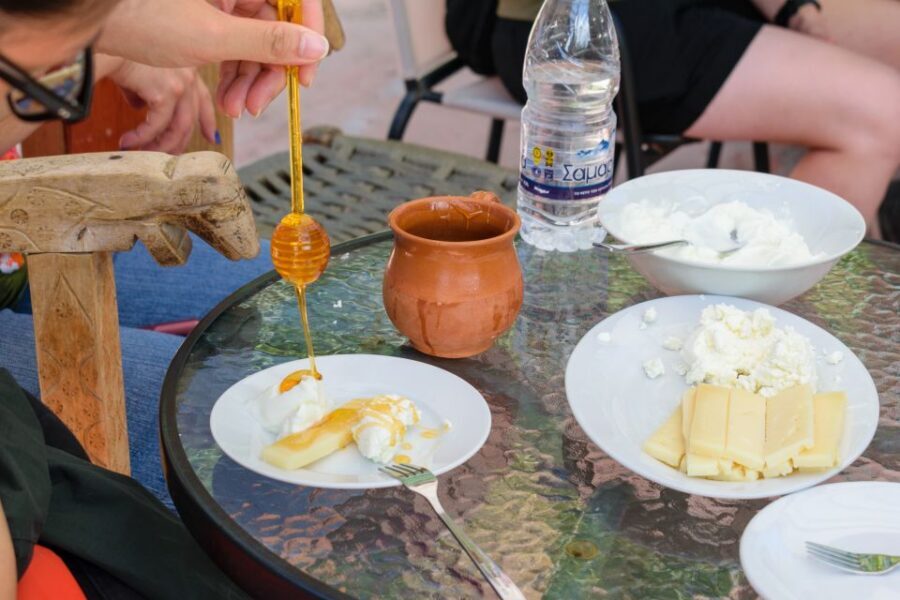
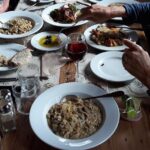
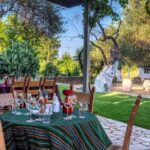
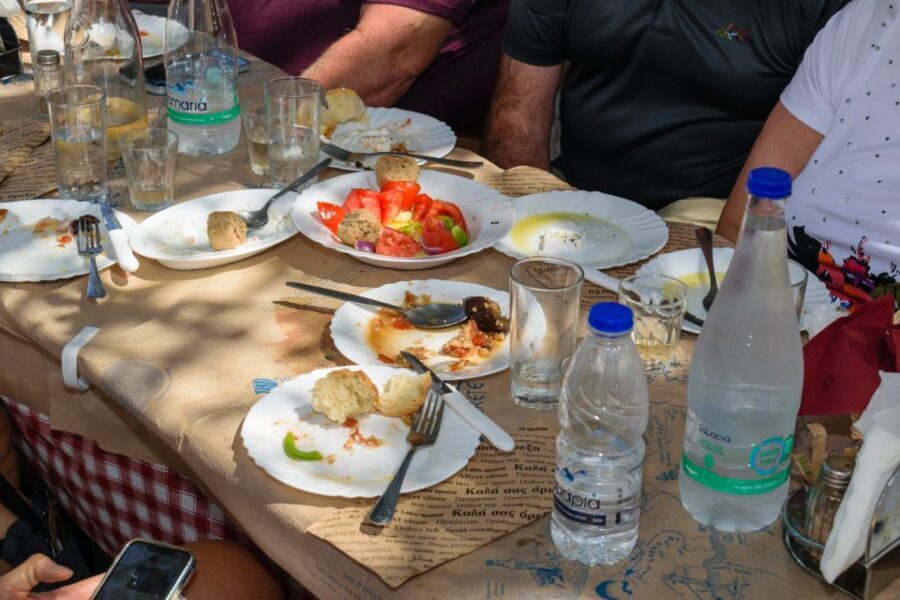
The day ends with a traditional lunch in the village of Fres, with the stop described as a local coffee shop or kafeneio where Cretans also eat. This matters because a kafeneio-style meal is closer to daily rhythm than a formal restaurant setting.
You’ve spent hours learning about flavors in production settings—olive oil, raki, cheese. So lunch lands better because you’re ready to taste without analysis fatigue. The meal is traditional, and it’s also described as sufficient and satisfying.
What you’ll likely enjoy most: the way the day ties into real eating. Instead of treating lunch as a break from the tour, it becomes the payoff for everything you tasted earlier.
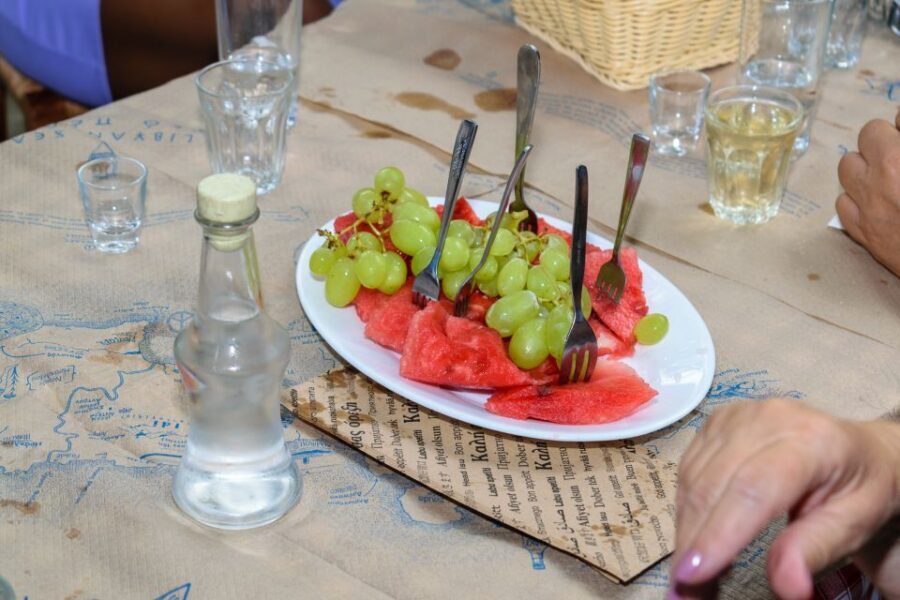
Good to know: additional food and drinks beyond what’s included aren’t part of the package, so if you want extra drinks or snacks, plan for that separately.
Timing, comfort, and pickup rules you shouldn’t ignore
This is a six-hour tour with hotel pickup and drop-off, plus bottled water per person. Transportation is by air-conditioned minibus or minivan, which is a plus in Crete when the temperature can shift quickly.
Two practical points:
- Pickup points are within the Chania region. If you’re staying outside that area, you’ll need to check directly with the operator.
- The driver waits no longer than 5 minutes after the scheduled pickup time. That’s short. If you’re even slightly delayed, you can risk missing the departure.
Weather can also play into comfort. One guide-led experience still went ahead during rain, so the tour isn’t fragile, but your comfort is on you. Bring layers you can handle if the weather flips.
Finally, this is a road-trip style day. You’ll likely do some walking around production spaces and village stops. Comfortable shoes help more than you’d think.
Price and value: what $135 buys in a real day of taste
At $135 per person for about six hours, you’re paying for more than a driver and a generic meal. The price covers hotel pickup/drop-off, air-conditioned transport, bottled water, English-speaking local guidance, all the tours and tastings, and a traditional lunch.
That’s the value story: you’re funding several paid experiences (olive mill, distillery, cheese factory, bakery tasting, plus the included lunch) rather than buying ingredients separately and figuring out logistics on your own.
Could you do it cheaper by piecing things together? Maybe, but you’d lose the “production-to-taste” sequence and the guide explanation that makes the food learning click.
If you’re the type who buys olive oil and cheese back home, this tour is also practical. You’re not just tasting what you happen to see—you’re learning what you should look for later.
Who should book this tour, and who might not
You’ll love this tour most if:
- You want a food-first day around Cretan staples.
- You enjoy learning how things are made, not only tasting them.
- You want an easy way to see East Chania villages without planning a route.
You might think twice if:
- You already did several Chania countryside food tours and you’re worried about repeats in village roads or similar stops.
- You expect every stop to have a long, generous sample menu. Some tastings (like at the bakery) can be brief.
- You prefer a day with minimal alcohol exposure. There is a raki/tsikoudia tasting, so it’s built into the flow.
Smart tips to get the most out of your six hours
- Try to arrive relaxed at pickup. That 5-minute window is short.
- Keep an open mind with accents. Even with English guidance, local explanations can vary depending on who’s talking.
- Pace your tastings. You’re drinking and eating through multiple stops—save space for the lunch payoff.
- Bring a light layer. Even if it looks mild, production spaces and timing between villages can change how you feel.
Most of all: go with curiosity. The real payoff here is noticing how olive oil, raki/tsikoudia, honey, cheese, and bread connect into one everyday food system.
Should you book this tour?
If you want a day that goes beyond eating and actually helps you understand Crete’s flavor backbone, I’d book it. The strongest reasons are the production-focused stops—olive mill work, distillery learning, and the cheese factory lineup with Graviera, Anthotiros, and Mizithra—plus an included traditional lunch in Fres.
Just temper expectations on tasting portions at the bakery and be ready for the occasional communication hiccup when a producer’s English is harder to follow. If that doesn’t bother you, you’ll end the day with a better palate, a clearer story about what you’re tasting, and some Cretan basics you’ll recognize for the rest of your trip.
FAQ
How long is the tour?
The tour runs for 6 hours.
How much does it cost?
It costs $135 per person.
What is included in the price?
Pickup and drop-off, bottled water per person, an English-speaking local driver/escort, all tours and tastings, an air-conditioned minibus/minivan, traditional Cretan lunch, and all taxes and fees.
Is hotel pickup included, and where does it operate?
Yes, hotel pickup and drop-off are included. Pickup points are within the Chania region.
What language is the tour guide?
The tour is conducted with an English-speaking local guide.
Are additional food and drinks included?
No. Additional food and drinks are not included.
What’s the cancellation policy?
You can cancel up to 24 hours in advance for a full refund.