REVIEW · CHANIA
Full-Day Private Chania Wine Tour and Lunch In The Mystic Cellar.
Book on Viator →Operated by Grape Escape · Bookable on Viator
Your Chania day starts in the cellars. This private, English-guided wine outing blends award-winning wineries with a more intimate family stop, then caps it with lunch and tastings in Cretan stone underground spaces.
I love how the day is built around 8 wine tastings plus local specialties, not just a quick sip-and-go. I also love the Domatha stop where you get the family’s organically farmed wines and olive oil, and you eat a full meze lunch in that 17th-century cellar setting.
The main drawback is simple: at $360.48 per person for a 6–7 hour day, it’s best when you’re ready to make wine and food the focus—not when you just want a short, budget-friendly experience. Weather also matters, since the tour requires good conditions.
In This Review
- Key Highlights You’ll Care About
- A Chania Wine Day That’s Built Around Taste, Not Speed
- Getting There From Talos Square: Timing That Shapes the Day
- Stop 1: Chania Prefecture for a Real Sommelier-Led Wine Intro
- Stop 2: Domatha Vineyard and the 17th-Century Stone Cellar Mezze
- What you’ll eat and drink here
- The one consideration here
- Stop 3: Karavitakis Winery Garden Tastings With Olives and Rusks
- Why this pairing matters
- The 8 Tastings: What You’ll Try and How to Pace Yourself
- What the Private Format Really Means (Small Group, More Attention)
- Price and Value: Is $360.48 per Person Fair for This Day?
- Who Should Book This Chania Wine Tour
- A Note on Guides: When Iro Koliakoudakis Comes Up
- Should You Book the Mystic Cellar Wine and Lunch Tour?
- FAQ
- How long is the Chania wine tour?
- Where does the tour start and end?
- Is pickup included?
- Are the tastings included in the price?
- Which wineries and producer stops are visited?
- Is lunch included?
- What drinks besides wine are included?
- Is the tour conducted in English?
- What’s the maximum group size?
Key Highlights You’ll Care About
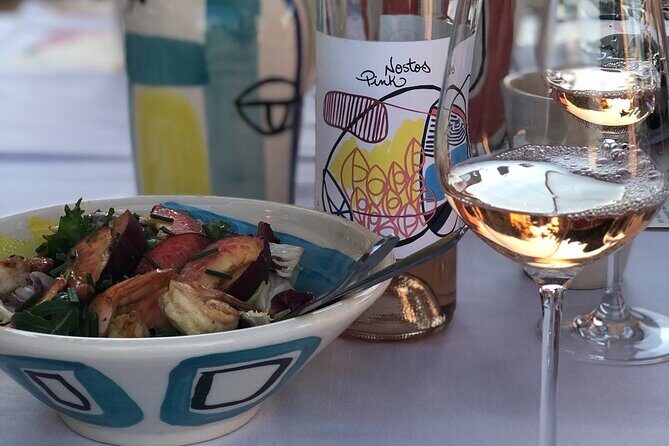
- 8 wine tastings paired with cheese, snacks, and local bites
- Domatha Vineyard (Pateromichelakis Family) with organically farmed wine + olive oil
- 17th-century stone cellar lunch with wine selections from the estate
- Tsikoudia finish (the grape-distilled spirit of Crete) after lunch
- Karavitakis Winery for an iconic, decades-old tasting in the garden
- Small group size (max 7) with English-speaking sommelier guidance
A Chania Wine Day That’s Built Around Taste, Not Speed
This is a full-day, private-style wine tour out of Chania that aims to slow you down just enough to learn what you’re drinking. The pacing works: you’re not stuck in a classroom, but you also aren’t left alone with a glass and a hope.
What makes the day feel worth it is the combo of (1) structured tastings and (2) real food. You’ll try wines alongside olive oil, olives, cheese, rusks, and snacks, then eat a traditional mezze lunch with wine selections. That matters because Cretan wines make more sense when you taste them with the local flavors they’re meant to go with.
Also, the tour isn’t just one winery type. You’ll go from a more established setting to a family-run place where you can actually feel the connection to the land.
Other wine & olive oil tastings we've reviewed in Chania
Getting There From Talos Square: Timing That Shapes the Day
You meet at Talos Square (Theotokopoulou 63, Chania). The start time is 10:30 am, and the tour ends back at the same meeting point. Pickup and drop-off are included from the central meeting point, which is a big help if you don’t want to deal with buses, parking, or figuring out rural roads on your own.
The total time is about 6–7 hours, with three main blocks:
- Stop 1 for about 3 hours
- Stop 2 for about 1 hour 30 minutes
- Stop 3 for about 1 hour
That split is smart for two reasons. First, it gives you enough time at the cellar lunch stop without rushing. Second, it keeps the day from dragging, because after you’ve had food + wine, you still have a final tasting to look forward to.
If you’re the type who likes a full schedule with defined moments, this works well. If you mainly want free time in Chania’s old streets, you’ll need to plan your day around the long block of wine and driving time.
Stop 1: Chania Prefecture for a Real Sommelier-Led Wine Intro
Your first stretch takes you into the Chania prefecture with an English-speaking sommelier guide. This part is designed as the foundation of the day: you get guided context, and you move through the Cretan hinterland where the wineries sit.
This stop is about 3 hours, and admission tickets are listed as free for this part. That tells you the emphasis here is on the guide, the route, and getting you ready for the tastings ahead.
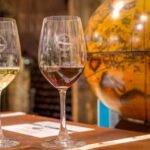
Why I like the way this is set up: it helps you taste with a purpose. Instead of jumping straight into wine without context, you’ll get explanations about varietals, what to look for in the glass, and how the region’s style connects to what you’ll eat later. And because it’s private with a small max group of 7, the guide can tailor pacing to your questions.
A practical note: with a start at 10:30, you’re usually well-fed enough to enjoy tastings, but still plan to eat something light beforehand if you’re prone to getting hungry early. You’ll be eating lunch later, but you don’t want to start the day feeling off.
Stop 2: Domatha Vineyard and the 17th-Century Stone Cellar Mezze
This is the emotional center of the tour.
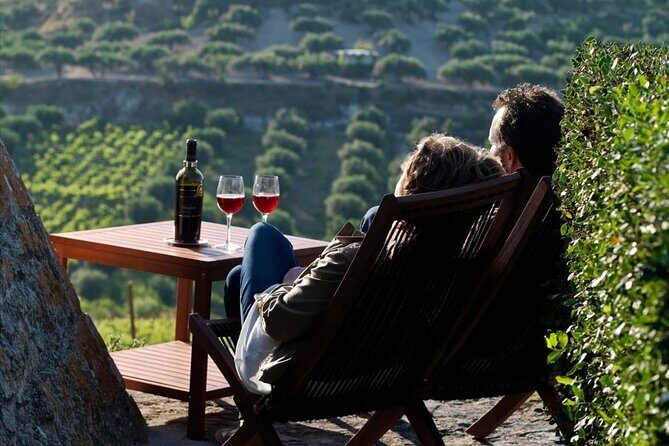
You’ll go to Domatha Vineyard – Pateromichelakis Family. The standout here is the focus on farming and family craft: you’re entering an organically farmed vineyard where you can discover viticulture in a hands-on way—touching the soil, smelling, and tasting grapes. That’s not just romantic. It helps you connect the flavors you’ll later recognize in the glass.
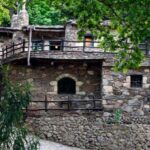
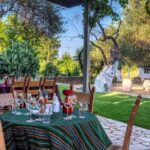
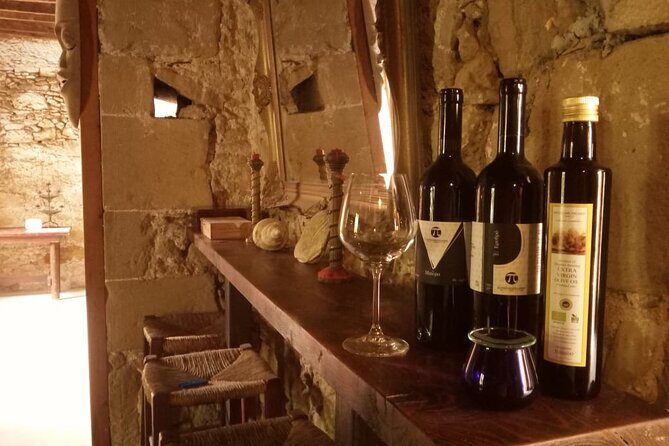
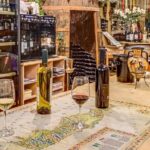
Then you head to the family’s house, where the winery sits in a stone-built basement from the 17th century. Underground stone cellars do two things. They keep temperatures stable, and they also change the feel of tasting—quieter, closer, and more grounded.
What you’ll eat and drink here
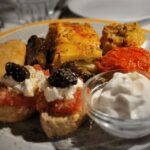
This stop includes a full mezze lunch, served while you taste wines. You’ll also taste the family’s olive oil, alongside their wines. After the meal, the experience ends with a glass of aged tsikoudia—Crete’s grape-distilled spirit.
You can think of this stop as a three-layer tasting:
- Vineyard-to-wine connection (the grapes and farming approach)
- Wine + olive oil + meze (food pairing that actually matters)
- Tsikoudia finish (a Cretan closing note)
Other private tours in Chania
The one consideration here
This stop is the most structured. If you’re the kind of person who hates being on a tight flow, the cellar lunch schedule may feel like less freedom than a more open “taste anywhere” plan. But if you like guided tastings with a real sense of place, it’s exactly the right rhythm.
Stop 3: Karavitakis Winery Garden Tastings With Olives and Rusks
After the stone cellar lunch, you move to Karavitakis Winery, described as iconic for Chania with decades of history. This part is shorter—about 1 hour—and it’s more focused on the tasting set and pairing basics.
At their garden, you’ll enjoy 7 specially selected wines from your sommelier, paired with organic olives from the winery’s olive grove and homemade rusks.
This stop works well after Domatha because it shows you another side of Cretan wine culture. Domatha feels family-rooted and farm-to-cellar. Karavitakis feels established and garden-based, like the wines are meant to be enjoyed slowly outdoors.
Why this pairing matters
Olives and rusks aren’t random “snacks.” They’re built to ground your palate. Olive flavors and bread textures help you notice how tannins, acidity, and aromatics change when you switch from sipping to eating.
If you ever feel like wine tasting makes your head spin, this stop usually helps because it’s anchored in familiar food.
The 8 Tastings: What You’ll Try and How to Pace Yourself
Across the day, the included tastings add up to 8 wine tastings. Along the way you’ll also have local specialties and snacks, including cheese, plus bottled mineral water and refreshments.
You’ll taste:
- Cretan wines from two winery experiences (family and iconic producer)
- Olive oil and olives (especially highlighted at Domatha and with Karavitakis pairings)
- Snacks like homemade rusks
- Tsikoudia after lunch
A small but useful tip: the tour is about learning, not just collecting sips. Keep your pacing simple:
- Take notes only if it helps you remember later.
- Use the food between tastings, because it keeps your palate from getting numb.
- If you don’t love a wine style, don’t fight it—ask your guide what pairs best with it, or what to look for.
If you’re worried about drinking too much, remember this isn’t one giant pour fest. It’s staged tasting with food and water, and the day’s timing gives you breaks between stops.
What the Private Format Really Means (Small Group, More Attention)
The tour is described as private, with a maximum of 7 travelers. That small cap matters because it changes how tasting works.
In a large group, guides often rush through explanations. Here, you’re more likely to get follow-up questions and recommendations that match your preferences—especially when you’re eating mezze and tasting multiple styles.
You’ll also get pick up and drop off from the central meeting point at Talos Square, which reduces stress. For a day in rural areas, that convenience is not a small detail.
And yes, group discounts are mentioned. If you’re traveling with friends, it can make the day feel more reasonable, especially since the cost is per person.
Price and Value: Is $360.48 per Person Fair for This Day?
Let’s talk money plainly.
At $360.48 per person, this isn’t a casual “try a couple glasses” outing. You’re paying for:
- Private-style access with a small max group
- An English-speaking sommelier
- All admissions and tastings
- A traditional mezze lunch with wine selections
- Transportation (pickup and drop-off from the central meeting point)
So where does the value land?
It feels strongest if you want a day where wine and food are the point, and you want local producers rather than a generic tasting room circuit. The 17th-century stone cellar lunch plus tsikoudia is the kind of memorable structure you’re paying for—not just the wine.
It may feel pricey if you’re mainly after scenic countryside driving with a quick tasting stop. This tour is not built for that. You’re committing to multiple tastings and a full lunch, so you should want that from the start.
Who Should Book This Chania Wine Tour
You’ll likely love this if:
- You want guided tastings with context, not guesswork
- You like food-forward tours (mezze lunch matters here)
- You’re interested in how organic vineyards and olive oil connect to wine
- You enjoy visiting both a family-run cellar experience and a more established winery
It might not be ideal if:
- You want lots of free time in Chania during the day
- You’re on a tight budget and want a shorter tasting-focused option
- You’re traveling during uncertain weather, since good conditions are required
A Note on Guides: When Iro Koliakoudakis Comes Up
One name that appears strongly in the supplied feedback is Iro Koliakoudakis, described as a high-energy, wine-focused expert who can explain Greek wine history and varietals while keeping the group engaged. If a guide with that style fits what you want—lots of wine talk, plus humor—this tour is the kind of format where that personality can shine.
Even if your guide isn’t Iro, the experience is still built around an English-speaking sommelier guide, so you should expect wine education to be a core part of the day, not an optional extra.
Should You Book the Mystic Cellar Wine and Lunch Tour?
If your goal is a Chania wine day that feels authentic, structured, and food-led, I’d say yes, book it—especially if you like the idea of a 17th-century stone cellar mezze lunch and want to taste wines alongside organic olive oil and tsikoudia.
I’d think twice only if $360.48 per person feels too steep for your travel style, or if you’d rather spend the day wandering Chania without a set tasting schedule. This is a commitment day: wine first, sights second.
If you do book, plan your day around the 10:30 am start, keep hydration in mind (mineral water is included), and let the food pace your tastings. That’s how this kind of day becomes more than a checklist.
FAQ
How long is the Chania wine tour?
It runs about 6 to 7 hours total, with roughly 3 hours at the first stop, 1 hour 30 minutes at Domatha, and 1 hour at Karavitakis.
Where does the tour start and end?
The tour starts and ends back at the central meeting point: Talos Square, Theotokopoulou 63, Chania 731 31, Greece.
Is pickup included?
Yes. Pickup and drop-off from a central meeting point are included.
Are the tastings included in the price?
Yes. The tour includes 8 wine tastings, along with all admission fees and tastings.
Which wineries and producer stops are visited?
You’ll visit wineries including Pateromichelakis Family Winery at Domatha Vineyard and Karavitakis Winery.
Is lunch included?
Yes. Lunch is included as a traditional winery lunch with wine selections, plus mezze-style local food during the Domatha stop.
What drinks besides wine are included?
After lunch at the Domatha stop, the experience ends with a glass of aged tsikoudia.
Is the tour conducted in English?
Yes. The tour includes an English-speaking guide/wine expert.
What’s the maximum group size?
The tour has a maximum of 7 travelers.