REVIEW · CHANIA
Paragliding Tours in Crete
Book on Viator →Operated by Paragliding Crete Power Fly · Bookable on Viator
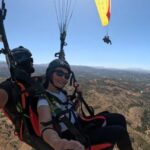
Flying over Crete feels unreal. I like that this tandem paratrike setup lets you sit in a relaxed, trike-style position while a seasoned instructor runs the show, and I also love the chance for wide coastal and mountain views in about 15 minutes.
The main catch is simple: plan for good weather and a matching schedule. If conditions aren’t right, the flight can be moved or refunded, so keep your day flexible.
In This Review
- Key things to know before you go
- Tandem paratrike over Chania: what you’re really buying
- Price and value: is $168.20 worth it?
- Finding the meeting point and planning your timing
- What happens before you fly: gear, suit-up, and a short trek
- The air route: Falassarna, Balos, Chania Prefecture, Matala, Rethymnon, Avdou
- Stop 1: Falassarna Beach
- Stop 2: Balos Lagoon
- Stop 3: Chania Prefecture
- Stop 4: Matala Beach
- Stop 5: Rethymnon
- Stop 6: Avdou
- Safety and comfort: how the instructor keeps you relaxed
- Gear, photos, and what to do with your own camera
- Who should book this flight—and who might skip it
- Should you book Paragliding & Paratrike with Paragliding Crete Power Fly?
- FAQ
- How long is the paragliding & paratrike flight?
- What is the price per person?
- Is the tour offered in English?
- What’s included in the experience?
- Do I get professional photos or video?
- Is this activity private?
- What if the weather is poor or I need to cancel?
Key things to know before you go
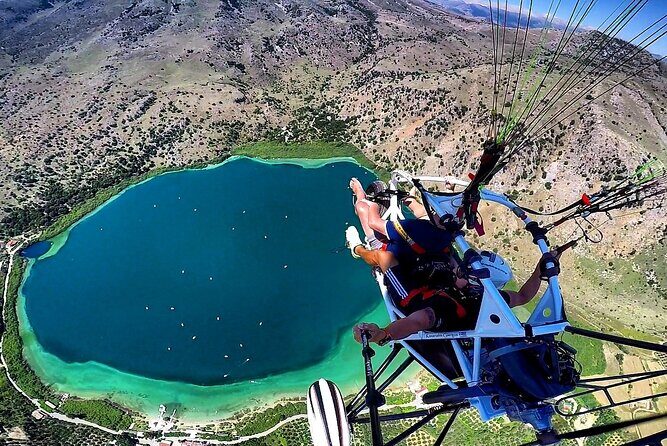
- Tandem paratrike, not solo: you fly seated while your instructor controls the flight.
- About 15 minutes of airtime: short and sweet, built for maximum views per hour.
- Helmet intercom included: you’ll hear instructions clearly as you lift off and land.
- A common “start-to-finish” feel: equipment setup, a short walk to launch, then a gentle touchdown.
- Not included: GoPro photo/video package: if you want that, budget extra or plan to bring your own gear.
Tandem paratrike over Chania: what you’re really buying
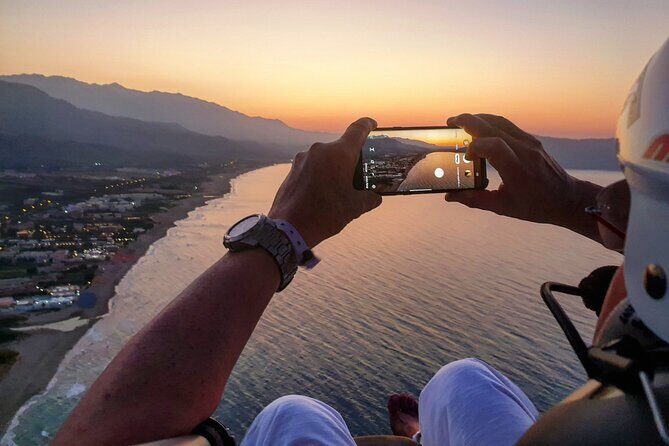
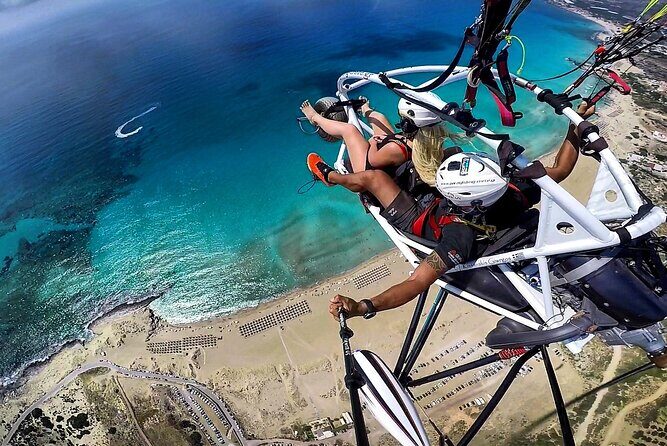
This isn’t the long, hours-long hang-by-a-wing style of paragliding. You’re doing a tandem paratrike flight—meaning you ride with a professional instructor in a more stable, seated trike arrangement. For most first-timers, that’s the big deal: it feels like flying, but with less “technique pressure.”
The experience is designed to give you a fast hit of Crete from above. In roughly 15 minutes, you get a sweeping sense of scale—coastline, mountains, and the patchwork of beaches and bays. The goal here is confidence and views, not training.
If safety is on your mind, you’ll like the way the flight is run. The instructor keeps you safe and secure throughout, and the setup includes a protective belt plus a helmet with intercom so communication stays easy.
Other paragliding tours we've reviewed in Chania
Price and value: is $168.20 worth it?
At $168.20 per person for about a 15-minute flight, this isn’t the cheapest thing on Crete—but it also isn’t trying to be. You’re paying for:
- a tandem flight (you’re not doing it alone),
- an instructor with serious experience (one guide is noted as having 23 years of flying experience),
- and gear that’s provided so you can show up and go.
So the value question becomes: do you want the easiest, confidence-focused route to seeing Crete from the sky? If yes, this tends to feel worth it because it compresses the “wow” into a short time window.
Also, it’s popular. The average booking lead time is about 26 days, which usually means you should plan ahead—especially if you’re traveling in busy periods or want a specific time of day.
Finding the meeting point and planning your timing
Your activity starts back at the meeting point in the Kolimvari area, at the pin listed for the experience. It ends where you start, which keeps things simple.
One practical heads-up: the location can be a little tricky to spot, so I’d treat this like a “map first” activity. Save the exact pin, and aim to arrive early so you’re not rushing when you’re about to suit up.
Timing wise, you won’t just show up and wing it. After booking, your instructor contacts you via WhatsApp with available times. Keep the day you book free, because the best slot depends on conditions and scheduling. This is part of how the experience stays safe and smooth.
What happens before you fly: gear, suit-up, and a short trek
Here’s the rhythm you should expect.
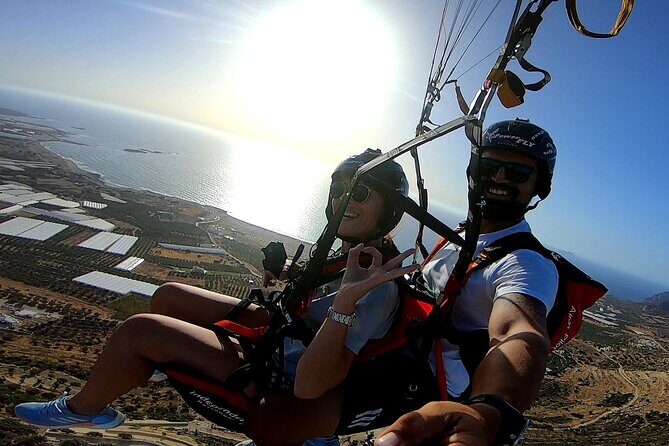
First comes the equipment and checks. You’ll get a helmet with intercom and a protective belt, plus the seat/trike setup used for the tandem flight. That matters because it keeps the whole experience “ready-to-go,” not improvisation.
Then there’s usually some time spent getting ready at the launch area. In the way the trip is commonly described, you may experience a drive up and then a short hike to the plateau where you suit up and fly. The landing is reported as gentle, which is comforting if you’re nervous about heights or sudden movements.
If you’re coming with anxiety, this part is where the instructor’s style really helps. One guide named George is praised for being friendly and for taking care of details, so you’re not left guessing what’s next.
The air route: Falassarna, Balos, Chania Prefecture, Matala, Rethymnon, Avdou
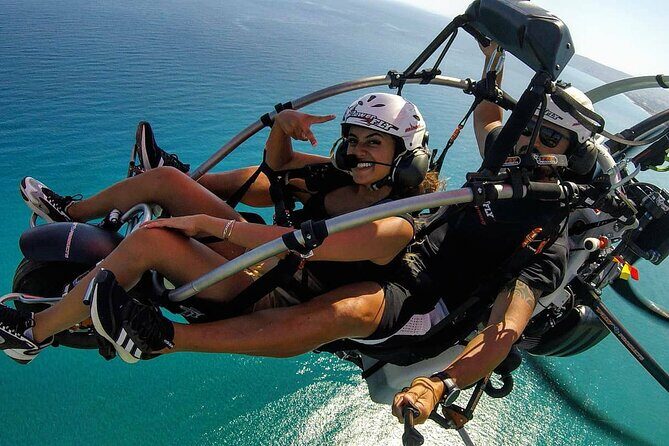
Your flight route is built around big scenery. You’ll be in the air long enough to connect multiple regions, which is why this feels like more than a quick “lift and drop” ride.
A quick note: exact visibility depends on the day. Clear weather makes every stop more dramatic. If clouds or haze roll in, you may still fly—but the view impact can vary.
Stop 1: Falassarna Beach
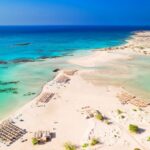
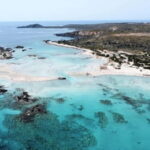
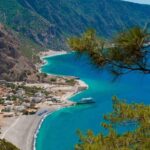
Falassarna is one of those places where the coastline looks almost graphic from above—curves, sand tones, and the way the sea meets land. From the air, you get a sense of how wide the beach stretches and how the coastline bends along the cliffs and bays.
If you like dramatic edges—where the land drops into the water—this is a great opening. It’s also a useful “baseline” view: once you see Falassarna, the rest of the route makes more sense because you’re reading the geography visually.
Stop 2: Balos Lagoon
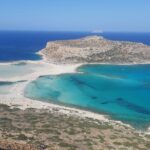
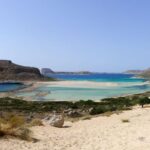
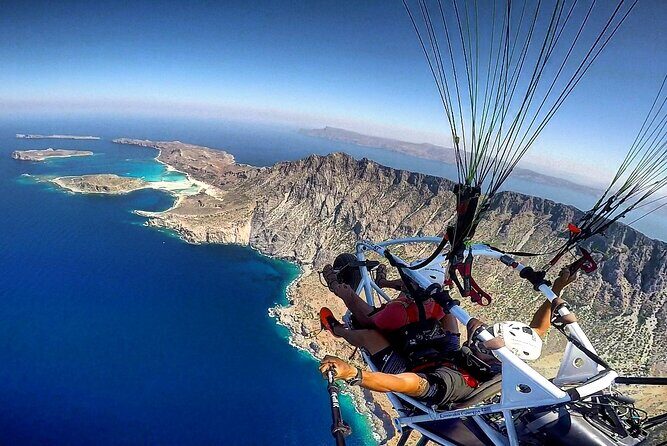
Balos Lagoon is the kind of destination that people talk about for a reason: from the sky, the water tones and the shape of the lagoon become the story. You’ll likely get a sweeping view over the lagoon area, where shallow water color contrasts with deeper patches.
This is the stop that often makes people go quiet. If you enjoy geography and want to understand how islands and peninsulas fit together, you’ll probably get the most “map in your head” payoff here.
Stop 3: Chania Prefecture
Between specific beaches and landmarks, the route over Chania Prefecture helps widen the frame. You’re not just seeing one pretty spot—you’re seeing how the region is arranged: coastline lines, inland ridges, and the way roads and settlements spread out.
This is the value of the short airtime. Instead of spending all 15 minutes staring at one point, the route gives you context.
Stop 4: Matala Beach
Matala Beach adds a different feel: another stretch of coast that helps your brain compare “coastline character.” Some beaches look wide and open; others look more tucked-in. From above, those differences are easier to spot.
It’s also a good moment to think about the flight itself. Because you’re flying tandem, you can focus on what you’re seeing rather than what you’re doing.
Stop 5: Rethymnon
Rethymnon is a jump in scale. Even when you don’t focus on one monument, you can usually sense the town’s pattern—built-up areas near the coast, the way land use changes as you move inland.
From the sky, that kind of regional view gives the flight a “travel in miniature” feeling. You’re not only getting a beach highlight—you’re getting a sense of how people and geography share space.
Stop 6: Avdou
Avdou closes the loop by bringing in a different part of the island’s coastline-and-inland mix. Depending on conditions, this can feel like the route’s final reveal: you see how the scenery shifts again, not just repeating the same coast angle.
In a short flight like this, the order matters. Ending on a new zone keeps the last moments exciting, instead of feeling like the flight is done but you’re still waiting for landing.
Safety and comfort: how the instructor keeps you relaxed
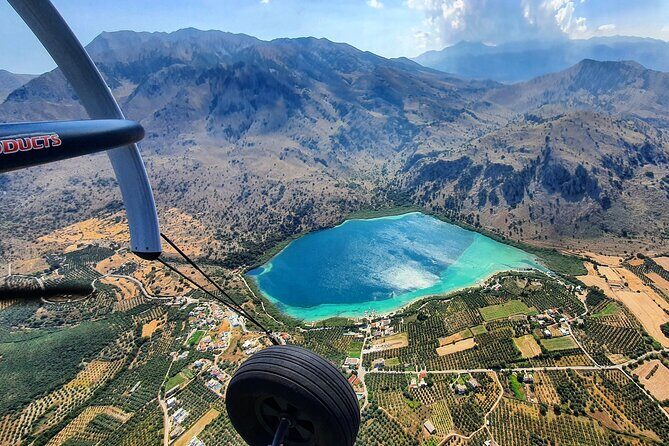
This is one of the most praised parts of the experience. A pro instructor keeps you safe and secure at all times, and you’re guided through the flight process so you don’t feel left out.
The safety approach is practical:
- communication through the helmet intercom,
- fit checks for the protective belt and seated setup,
- continuous guidance during takeoff and landing.
And then there’s the human factor. One pilot named George is specifically mentioned for being friendly and for handling details calmly. Another common theme is that guides check on you—your comfort, your confidence, your readiness—while you’re in the air.
Even if you’re a first-timer, you can take comfort in the fact that landings are described as gentle, and the flight is set up for people who just want to fly, not train.
Gear, photos, and what to do with your own camera
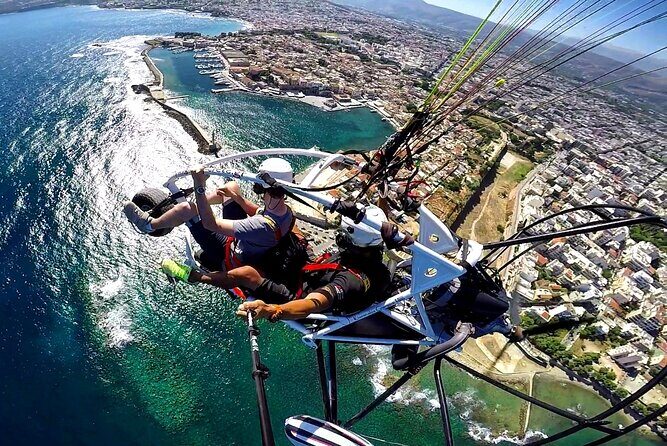
Included gear is straightforward: helmet with intercom, protective belt, and the seating/trike setup used for the flight. You’ll also have the chance to chat and hear directions clearly as things happen.
What’s not included is the professional photo and video package with a GoPro camera. If you want those edited, high-quality shots, plan on paying separately or bringing your own camera that day (as long as the activity rules allow it).
If you’re worried about missing out on cool footage, remember: the real prize is the flight itself. Still, it helps to be realistic about expectations. You should assume you’re paying for the experience, not for a full media bundle.
Who should book this flight—and who might skip it
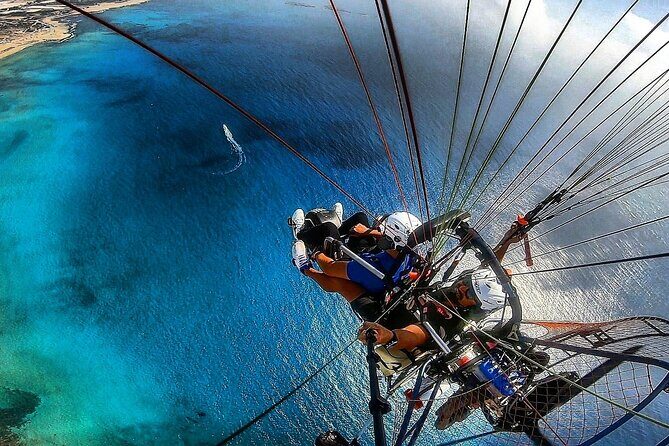
You’ll probably love this if:
- you want a short, confidence-focused first flight,
- you like the idea of tandem flying with no skill needed,
- you care more about scenic overhead views than learning control techniques,
- you value clear communication and a calm instructor vibe.
You might think twice if:
- you’re chasing a long-duration adventure (this is about 15 minutes, not hours),
- you want built-in professional photos/video as part of the base price,
- or you can’t handle a flexible schedule due to weather requirements.
Also, since it’s private—only your group participates—it can be a great option if you want a more personal experience without sharing the moment with strangers.
Should you book Paragliding & Paratrike with Paragliding Crete Power Fly?
I’d book this if your goal is simple: get above Chania’s coast and mountains with minimal hassle. The tandem paratrike format, the helmet intercom, and the emphasis on keeping you safe and comfortable make it one of the better “first sky” choices in the area.
If you hate scheduling uncertainty, don’t forget it runs on good weather, and your instructor will coordinate your slot by WhatsApp, so you’ll want a flexible day. And if you care a lot about professional video, consider that it’s not included.
For the right traveler, this is a strong value: short airtime, serious views, and a pilot/instructor approach that keeps the experience calm from start to finish.
FAQ
How long is the paragliding & paratrike flight?
The flight duration is approximately 15 minutes.
What is the price per person?
The price is $168.20 per person.
Is the tour offered in English?
Yes, it’s offered in English.
What’s included in the experience?
Included items are a helmet with intercom, chairs, kiosk, and a protective belt.
Do I get professional photos or video?
No. Professional photos and videos with a GoPro camera are not included.
Is this activity private?
Yes. It’s listed as a private tour/activity, and only your group will participate.
What if the weather is poor or I need to cancel?
The experience requires good weather. If it’s canceled due to poor weather, you’ll be offered a different date or a full refund. Free cancellation is available up to 24 hours in advance for a full refund.