REVIEW · CHANIA
Pottery – Honey & Olive Oil experience
Book on Viator →Operated by CRETE LUXURIOUS TOURS & TRANSFERS · Bookable on Viator
Four flavors. One well-planned day.
This private olive oil, honey, and ceramics route is interesting because it’s not just looking—you get factory-style tours, a lab visit, and a hands-on pottery session in Margarites. I especially like the way the day moves from Melidoni (modern olive oil production) to the Apithano honey museum (bees, lab, tasting) and then into ceramics you can take home. One possible drawback: the olive oil stop can feel quick, and since the tour listing says an English-speaking driver is provided (not a dedicated tour guide), you may need to ask more questions if you want extra background.
You’ll be traveling in an air-conditioned vehicle with bottled water, and you’ll have a flexible pickup time when you start from Heraklion city or Rethymno city. It also helps that this is capped at up to 7 people, so it feels like your day rather than a busy bus shuffle. Just don’t assume lunch is covered—plan to handle food on your own or add a stop if you’re hungry on the go.
In This Review
- Key things to know before you go
- Private pickup in Heraklion or Rethymno (and why it matters)
- Paraschakis Olive Oil in Melidoni: factory tours across three mills
- Apithano Honey Museum: bees, lab time, and a real tasting
- Tsikalario cretan ceramics in Margarites: make your own pottery
- Arkadi Monastery: a Venetian church and the 1866 story
- Price and value: what $722.47 gets you (per group up to 7)
- Making the day run smoothly: what to pack and what to ask
- Who should book this honey-olive oil-pottery day?
- Should you book it?
- FAQ
- How long is the Honey & Olive Oil pottery experience?
- Is this a private tour?
- What’s the maximum group size?
- Where do pickup and drop-offs happen?
- What’s included in the price?
- Is lunch included?
- Is coffee or tea included?
- Do I get a tour guide?
- Does the tour depend on weather?
- Is free cancellation available?
Key things to know before you go
- Hands-on ceramics in Margarites: you make your own ceramic during the workshop at Tsikalario’s studio area.
- Apithano honey includes tasting: you’ll tour, visit the lab, and then sample what you learned.
- Modern olive oil factory tours: Paraschakis includes free access to tours across multiple mills in Melidoni.
- Arkadi Monastery as a cultural anchor: the day ends with a major monument tied to the 1866 uprising.
- English-speaking driver, not a tour guide: you’ll get help driving and basic communication, but you may want to ask for extra details.
Private pickup in Heraklion or Rethymno (and why it matters)
This is set up as a private experience with private transportation, and that changes the feel of the day right away. Instead of coordinating buses, you’re picked up and dropped off from your hotel/villa/cruise within Heraklion city or Rethymno city only. Pickup times are flexible, but the tour runs during the day, roughly between 9:00 AM and 3:30 PM.
The vehicle is air-conditioned and includes bottled water. On a hot Crete day, that’s a practical win—especially when you’re hopping between production sites, a pottery village, and a monastery. Also, because the group is up to 7, you’re less likely to end up stuck waiting for a crowd to finish shopping or form a line for a short tour.
One more practical note: you’ll receive a mobile ticket. That helps if you’re trying to keep things simple at the start of the day.
Other wine & olive oil tastings we've reviewed in Chania
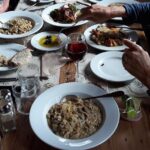
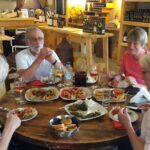
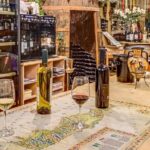
Paraschakis Olive Oil in Melidoni: factory tours across three mills
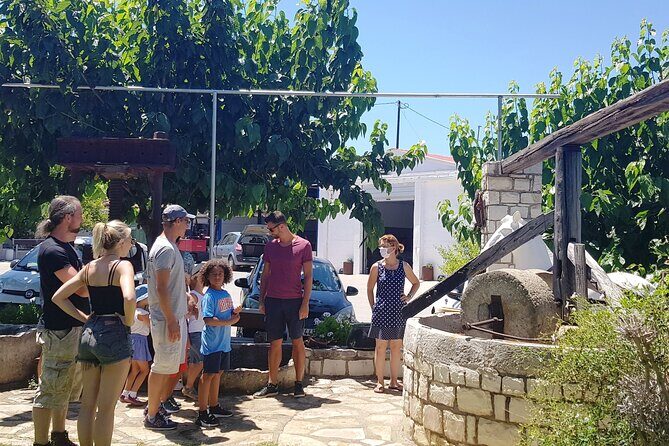
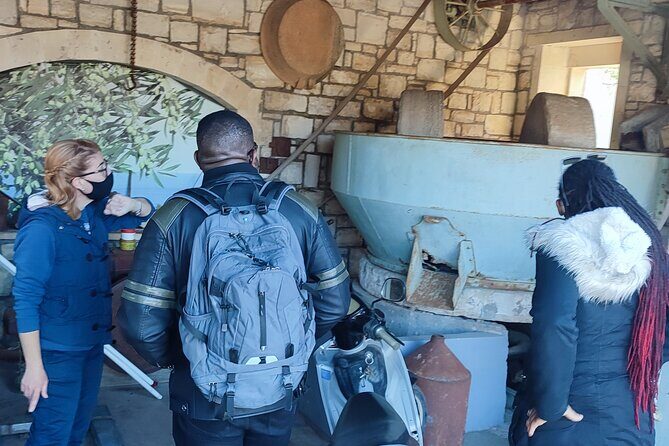
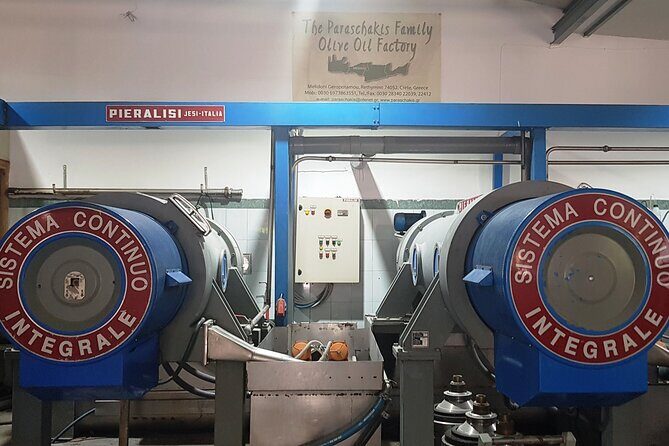
The olive oil stop is at Paraschakis Olive Oil – Crete in Melidoni. This is a modern, production-focused visit, not a “museum with a few bottles on a shelf.” The key promise here is that you can tour for free in three different mills inside the facility. That matters because it gives you more than a single viewpoint on how oil moves from process to product.
What to expect during your time there:
- You’ll be shown how the facility works with up-to-date production methods.
- The visit is framed around technology, know-how, and strict specifications for high-quality results.
- Admission is included and the stop is about an hour.
What I’d keep in mind: at least one person felt the olive oil explanation was rushed and delivered with less enthusiasm than expected. Your best move is to treat this as an experience where questions get results. Ask what makes Cretan oil different in flavor and aroma, and if you can, ask what you’re meant to watch during the mill sections.
Apithano Honey Museum: bees, lab time, and a real tasting
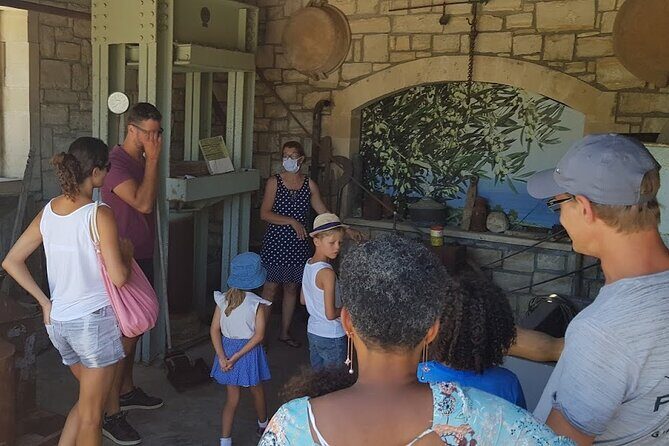
Next up is the Apithano Honey Museum-Tasting & Tours. This one has a different energy from the olive mill. Instead of industrial production, it’s centered on bees, biodiversity, and the path from flower to honey.
During the visit, you’ll:
- Take part in the tour and visit their lab.
- Learn about apiθανο (Apithano) and honey production.
- Get the chance to explore how bees move through different areas to collect nectar and juices from the land.
Then comes the part that makes this stop land: the tasting. Even when people felt other parts of the day were uneven, the honey experience tends to score well because it’s short, focused, and followed by something concrete. If you care about food tasting on tours (not just photos), this is the stop that usually delivers.
Plan to pay attention to the theme of sourcing from selected areas of Crete. The way it’s described emphasizes rare biodiversity and endemic vegetation, which is basically the logic behind why honey tastes different across regions.
Tsikalario cretan ceramics in Margarites: make your own pottery
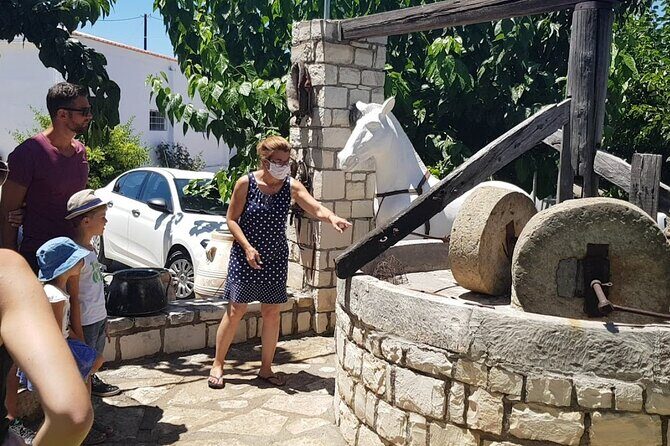
This is the portion of the day most likely to feel like the highlight for a lot of people, and for good reason. You’re headed to ceramics workshop time in Margarites, one of Crete’s best-known pottery centers, where clay deposits in the area have supported the craft for a long time.
Here’s what you can expect:
- You’ll join a ceramics workshop in the Pottery Village Margarites area.
- You learn to make your own ceramic.
- The experience is described as being free of charge within the session.
- The stop is about an hour.
The setting also adds value. Margarites is described as being surrounded by two parallel gorges with rich flora and aromatic plants. You won’t need nature poetry to enjoy it, but it helps make the pottery village feel more like a working craft community than a staged tourist stop.
Important practical tip: your purchases will likely be a big part of this day. One comment I appreciated from a previous visitor wasn’t about a souvenir—it was about logistics. If you buy ceramics, you may want to bring extra packing space or even a plan for how to transport heavier items back to your hotel. (And yes, an additional bag or suitcase can turn into a smart move.)
Arkadi Monastery: a Venetian church and the 1866 story
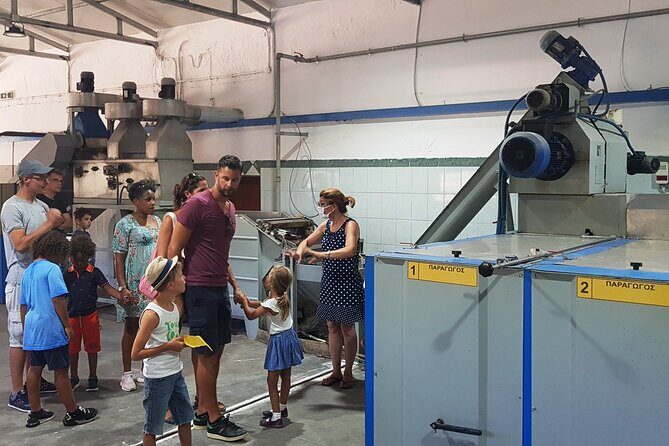
After hands-on making, you shift gears to history at Arkadi Monastery. Arkadi is known for containing one of the finest Venetian churches in Crete, and it’s also tied to a tragic event in 1866 that became a national symbol connected to Crete’s independence struggle.
This stop is about an hour, so it won’t feel like a slow, all-day deep crawl—but it’s long enough to:
- See the church architecture and the monastery setting.
- Understand why this place has lasting cultural weight for Crete.
- Connect what you’ve learned to the broader identity of the island.
If you tend to skip monuments, this is still worth it because it’s not just a pretty building. The monastery’s role in the 1866 narrative is the reason it’s protected in the way it is, and it gives your day a clear emotional rhythm after the food and craft stops.
Other food & gastronomy tours we've reviewed in Chania

Price and value: what $722.47 gets you (per group up to 7)

The price is listed as $722.47 per group, up to 7 people, for roughly 5 to 7 hours. That price structure is where the value story starts.
What’s included:
- Private transportation (air-conditioned)
- Bottled water
- English-speaking driver
- Admission tickets for the stops
What’s not included:
- Lunch
- Coffee and/or tea
- A tour guide (the listing specifically notes the driver is English speaking)
So how do you judge value? By dividing the cost across the group and counting what you’re not paying separately. If you’re traveling as 2 people, you’ll feel the premium. If you’re traveling closer to the max group size, the per-person cost becomes much easier to swallow, especially because you’re not paying for individual tickets and you’re getting private transport.
This is also where expectations matter. One person criticized the olive oil and the guiding style, saying the explanations were brief and not enthusiastic. That doesn’t automatically mean the tour is “bad,” but it does mean the tour’s strengths lean more toward the sites themselves (honey tasting, ceramics workshop) than toward a highly scripted, talk-heavy guide performance.
Making the day run smoothly: what to pack and what to ask
Because this route blends food production, tasting, craft time, and a monastery visit, you’ll do best if you plan like a maker and a walker—not like someone who only wants sightseeing.
Pack and plan for:
- Comfortable shoes for Margarites and the monastery.
- Sun protection, especially if you’re there in warmer months.
- A little snack buffer, since lunch isn’t included.
- Extra room in your bag for ceramics and any honey/olive oil purchases.
And here’s the “save yourself time” move: ask smart questions early. Since an English-speaking driver is provided (and not a dedicated tour guide), you’ll get the best outcome by prompting the person with you:
- At the olive oil mill: ask what to notice in the process and what creates different flavor profiles.
- At the honey museum: ask what types of flowers or areas most influence aroma.
- At the ceramics workshop: ask what the session results in (since the workshop is for making your own ceramic, but follow-up details like timing for anything drying/firing aren’t specified).
If you want more storytelling at the monastery, ask for it on the way in. You’ll likely get a better experience from the time you spend asking than from waiting for long lectures.
Who should book this honey-olive oil-pottery day?
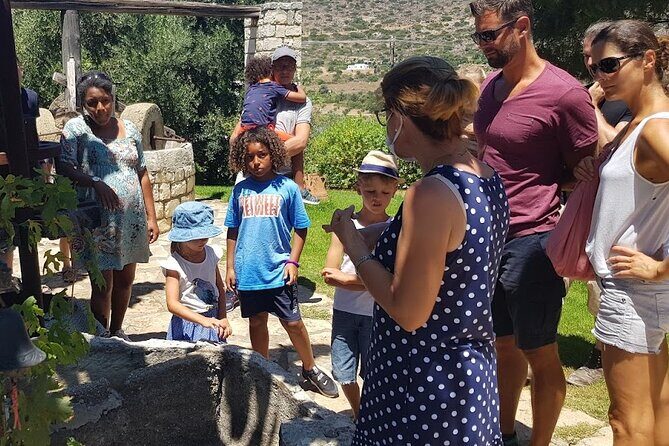
This tour is a good fit if you want a Cretan day that mixes:
- Food tasting that includes more than sampling (honey tour plus lab plus tasting).
- A real hands-on craft moment (ceramics in Margarites).
- One major cultural stop (Arkadi Monastery) to balance the day.
It’s also a strong choice for groups of friends or small families because it’s private and limited to up to 7 people. If you’re the type who enjoys learning through doing—making ceramics, seeing how products are made—this format works.
It may be less satisfying if you expect a full-time professional guide speaking at length at every site. The olive oil and the overall “tour voice” can vary in how engaging it feels, so if you need constant narration, go in prepared to ask questions.
Should you book it?
I’d book this if you want a day built around three practical experiences—honey tasting, ceramics making, and a well-known monastery stop—without the hassle of arranging transport yourself. The private ride plus included admissions make it easier to make time count.
I’d think twice if you’re expecting a deeply guided, talk-heavy tour where every stop is explained in the same energetic way. If you’re sensitive to “rushed” moments, plan to compensate by asking questions during the olive oil visit and being clear with the person driving about what you most want to understand.
In short: if you want to leave with something you made (ceramics) and something you can taste (honey, plus the olive oil stop), this is a very sensible way to spend your day in Crete.
FAQ
How long is the Honey & Olive Oil pottery experience?
It lasts about 5 to 7 hours.
Is this a private tour?
Yes. It’s a private tour/activity, and only your group participates.
What’s the maximum group size?
Up to 7 people per group.
Where do pickup and drop-offs happen?
Pickup and drop-offs are offered only from Heraklion city and Rethymno city.
What’s included in the price?
Private transportation, bottled water, an English-speaking driver, air-conditioned vehicle, and admission tickets for the listed stops.
Is lunch included?
No, lunch is not included.
Is coffee or tea included?
No, coffee and/or tea are not included.
Do I get a tour guide?
An English-speaking driver is offered, but a tour guide is not listed as included.
Does the tour depend on weather?
Yes. It requires good weather, and if it’s canceled due to poor weather, you’ll be offered a different date or a full refund.
Is free cancellation available?
Yes. You can cancel up to 24 hours in advance for a full refund.