REVIEW · CHANIA
Wine Tasting: Meet the Cretan Vineyard at West Chania
Book on Viator →Operated by PoTolo · Bookable on Viator
A good wine tasting should teach you something, fast. This one pairs native Cretan wines with hands-on explanations in a calm Kissamos mountain village setting, so the hour and a half feels focused, not rushed. I love that you taste five wines rather than a token sip, and I also love the warm, family-style hosting you get from the oenologist and the people behind the bottles.
The only real drawback is time: at about 1 hour 30 minutes, you’ll leave wanting more if you came specifically for a long vineyard tour. Also, it’s capped at 10 travelers, which is great for conversation, but it can mean you need to book ahead.
In This Review
- Key highlights to look for
- Kissamos mountain calm starts at PoTolo
- Five Cretan wines: what you’ll taste and how it connects
- Local food pairings: cheeses, pies, honey, olive oil
- The winemaking talk: history and processes you can actually use
- What the small-group format does for your experience
- Price and value: is $60.01 worth 1.5 hours?
- Who should book this wine tasting at West Chania?
- Weather and timing: plan for flexibility
- Should you book Meet the Cretan Vineyard at West Chania?
- FAQ
- How long is the Meet the Cretan Vineyard wine tasting?
- Where does the tour meet, and does it end there too?
- How many wines are included?
- Is the tour offered in English?
- What’s the age requirement?
- What happens if weather is poor?
Key highlights to look for
- Five wines in one sitting: enough variety to spot styles and preferences without dragging it out
- Native and rare Cretan varieties: not just the usual safe choices
- Local pairings throughout: artisanal cheeses, savory pies, honey, and olive oil
- English-led guidance: you’ll get context as you sip, not silence and a scorecard
- A small, intimate group: easier questions and a more personal pace
Kissamos mountain calm starts at PoTolo
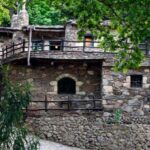
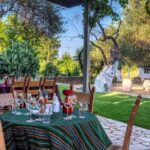
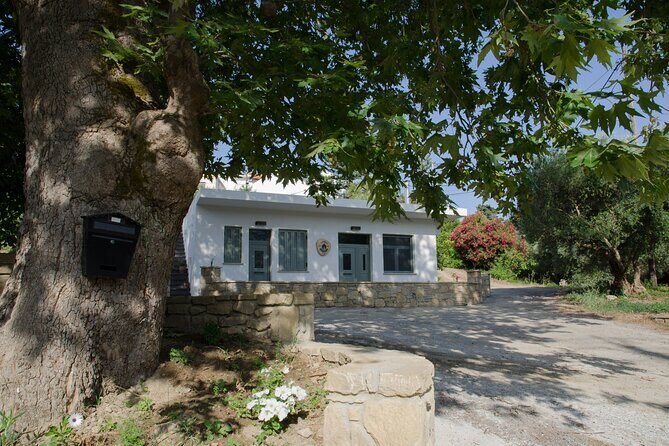
Your experience starts at PoTolo | Tasting Experiences, at Tso(r)ouniana, 730 10, Greece (the activity ends back at the same point). It’s scheduled for about 1 hour 30 minutes, so plan to arrive a few minutes early and settle in. The group size is kept small, with a maximum of 10 people, which matters here: you’re not just drinking, you’re talking. That’s the difference between a tasting that feels like a conveyor belt and one that feels like a real conversation.
This is offered in English, and you get a mobile ticket. You’ll also receive confirmation at booking, which is handy if you like to have details locked in. And because it’s aimed at wine lovers, the age requirement is 18+ for the wine part.
One practical note: this is booked fairly ahead of time—about 25 days in advance on average. If you’re traveling in high season or you’re set on a specific day, I’d treat it like a “book early” type of activity, not a last-minute add-on.
Other wine & olive oil tastings we've reviewed in Chania
Five Cretan wines: what you’ll taste and how it connects
The core of this tour is an oenological journey themed around Meet the Cretan Vineyard. The setting is Kissamos, and the story starts with why Crete can grow such distinctive wine grapes: different soils around the island and centuries of winemaking.
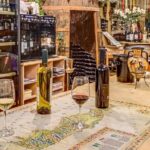
In practice, you’ll taste five wines, chosen to represent native and rare varieties of Crete. That matters more than it sounds. Many wine tastings focus on broad, internationally famous grapes. Here, the point is to help you understand what makes Crete its own wine region—so you can actually pick up differences that feel tied to place, not branding.
What I like about this format is the pacing. You’re not just tasting blind and hoping you guess correctly. The hosting includes commentary as you go, plus discussion of the wines and what’s going on in the glass. One review described the experience as the essence of Cretan wine, and that matches the intent: you’re learning the personality of local varieties, then tasting food pairings that support them.
Also, some of the paired items are said to come from a local cooperative. That’s a good sign for authenticity. You’re getting a picture of how village-scale production connects to what’s on your table.
Local food pairings: cheeses, pies, honey, olive oil
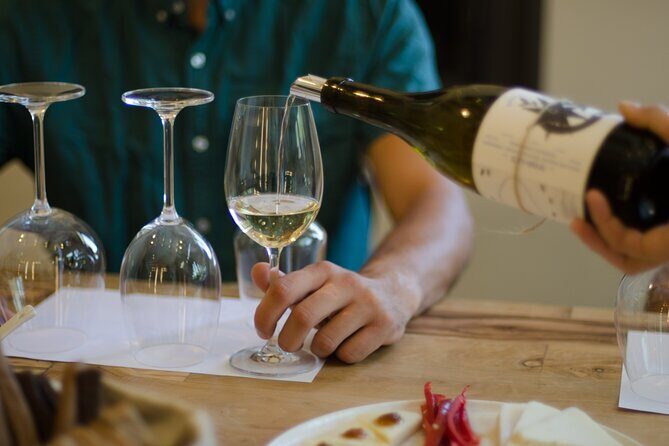
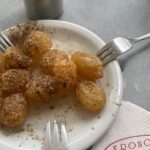
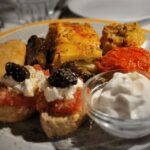
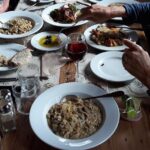
Wine and food belong together, or the whole thing gets flat. Here, you’re paired with locally sourced delicacies: artisanal cheeses, savory pies, honey, and olive oil. Think of these as flavor anchors. They help you notice whether a wine’s character feels better with salty, creamy, herby, or sweet notes.
The cheeses give you a chance to test how acidity and texture work together. Savory pies (a Cretan-style comfort food in spirit) tend to highlight herbs and baked-greens flavors in a way that plain crackers just can’t. Honey is the sweet counterpart that can make certain wines feel softer, warmer, and more rounded, while olive oil brings that peppery, vegetal edge that can sharpen your perception of the wine’s structure.
One nice detail from the feedback: the food is produced by people from villages in the surrounding area, not just bought and plated at the last second. That’s exactly why these pairings feel more meaningful. You’re not only tasting products; you’re tasting how local life shows up in what ends up on the table.
For you, the payoff is simple: you leave knowing which wines you liked and why, because you tried them with the foods they’re meant to go with.
The winemaking talk: history and processes you can actually use
A good tasting leaves you with better questions. This one includes insights into the winemaking history of Crete and the unique processes used by the selected winemakers. It’s not about drowning you in dates. It’s more about helping you connect the dots between land, grape choice, and what ends up in your glass.
One review mentioned a friendly welcome by a young woman oenologist and noted the respect for nature and a family-character approach. That matters, because the best explanations are the ones grounded in real practice—someone who cares about how wine is made and how grapes behave.
During your session, you can expect discussion about the peculiarities of what you’re drinking. Practically, that means you’ll learn more than just flavor descriptors. You’ll pick up a framework for tasting: where to focus (aroma vs. acidity vs. body), what to ask, and how to make your own comparison decisions.
If you enjoy wine for the story behind it, this is a strong match. If you want a technical seminar, it might feel more conversational than classroom-like—but that’s often a plus. You’ll be able to ask questions and move at a human pace.
What the small-group format does for your experience
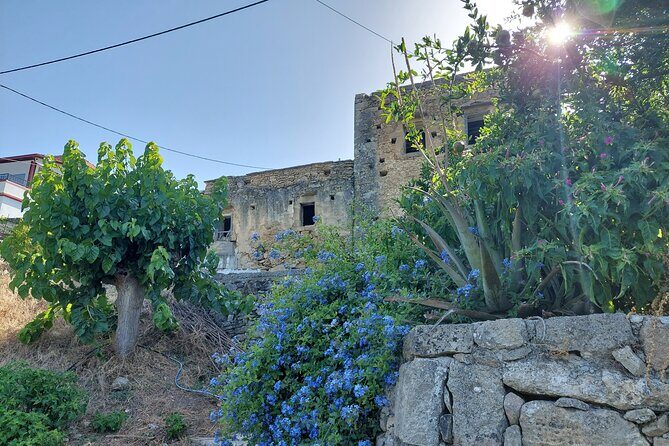
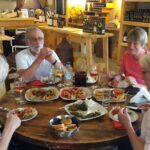
This tasting caps at 10 people, and that shows. When a group is small, the host can adapt. You’re more likely to get direct answers to your questions, and the conversation can flow as new comparisons come up.
It also means you’re not competing for attention while everyone else stares at their own glass. The best moments usually happen when you hear someone else’s question, then realize it’s yours too. That sort of group dynamic is hard to create in a bigger setting.
Another nice thing: the reviews lean hard on kindness and warmth. One person called it super enjoyable and praised the people hosting them, while another highlighted the friendly, rewarding atmosphere. When you’re paying for a short, structured experience, that human element is part of the value—not a random bonus.
And if you’re coming as a couple, this style of tasting works well because it’s social without being loud. You can talk between sips, then listen when the host explains what to look for next.
Other food & drink experiences in Chania

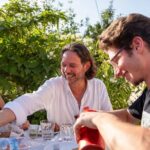
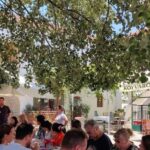
Price and value: is $60.01 worth 1.5 hours?
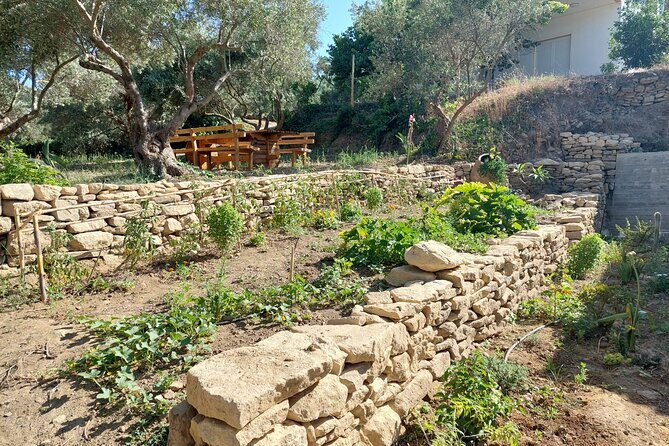
At $60.01 per person for about 90 minutes, you’re not just buying wine. You’re paying for a guided tasting built around five wines plus paired local food (cheeses, savory pies, honey, olive oil) and an English-led explanation of Crete’s winemaking approach.
Here’s how I think about value in cases like this:
- You’re getting volume and variety: five wines is enough to learn your preferences.
- You’re getting context: the talk about Crete’s winemaking history and the processes used by the winemakers makes your tasting smarter.
- You’re getting food support: pairings help you experience the wines as they’re intended, not in isolation.
- You’re getting intimacy: a max of 10 keeps it personal.
If you only want one glass and no explanation, you can always find simpler options. But if you want to leave with both enjoyment and understanding, this price-to-experience ratio looks fair.
Also, book early if you can. When a tour is in demand, the best value is often the ability to pick your preferred day rather than settling.
Who should book this wine tasting at West Chania?
This experience fits best if you like wine that feels rooted in its place. You’ll probably enjoy it if you’re curious about native and rare Cretan varieties, and if you appreciate food pairings that are actually local.
It’s also a good pick if you want a relaxed social experience: small group, friendly guidance, and conversation built into the pacing. It works well for people who want something cultural but not exhausting—just 1 hour 30 minutes.
One more practical match: it’s 18+ for the wine, and it says most people can participate. Service animals are allowed too, which is always useful to know.
If you’re the type who wants a long, deep vineyard day with lots of walking and a big logistics chain, this may feel short. But for a concentrated tasting with meaningful explanations and local food, it’s a solid plan.
Weather and timing: plan for flexibility
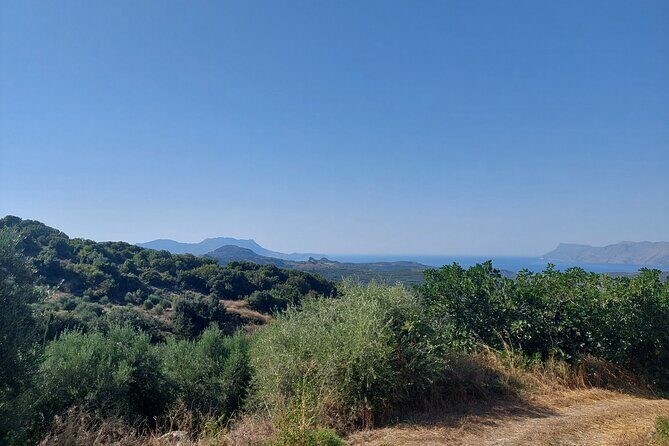
This experience requires good weather. If it’s canceled due to poor weather, you’ll be offered a different date or a full refund. So keep your schedule flexible if you can. In Crete, weather swings can happen, and you don’t want a jam-packed day when the tasting is weather-dependent.
The good news: the session is compact, so you’re not losing half your trip to a single reservation. Just treat it like an activity that works best when the day is set.
Should you book Meet the Cretan Vineyard at West Chania?
Yes, I’d book it if you want a friendly, small-group tasting that teaches you about Cretan wine choices while feeding you local flavors that match the wines. The strongest reasons are the five-wine structure, the native/rare focus, and the way the oenologist-led conversation turns drinking into understanding. The warmth shows up in the feedback repeatedly, and that matters for a 90-minute experience where the vibe is part of the product.
Skip it only if you’re looking for a long vineyard tour or a very technical, hands-on winemaking workshop. This is a tasting and story session. If that’s your goal, it’s a good fit.
If you’re debating timing, book ahead. And when you arrive, treat it like a conversation: ask why a wine tastes the way it does, and taste with the food on purpose. That’s how you get the most out of your money and your time.
FAQ
How long is the Meet the Cretan Vineyard wine tasting?
It lasts about 1 hour 30 minutes.
Where does the tour meet, and does it end there too?
The meeting point is PoTolo | Tasting ExperiencesTsourouniana 730 10, Greece, and the activity ends back at the meeting point.
How many wines are included?
You’ll taste five wines.
Is the tour offered in English?
Yes, it’s offered in English.
What’s the age requirement?
Participants must be above 18 years old for the wine.
What happens if weather is poor?
The experience requires good weather. If it’s canceled due to poor weather, you’ll be offered a different date or a full refund.