REVIEW · CHANIA
Authentic and Traditional Cooking Class in Chania Crete
Book on Viator →Operated by The Hellenic Odyssey · Bookable on Viator
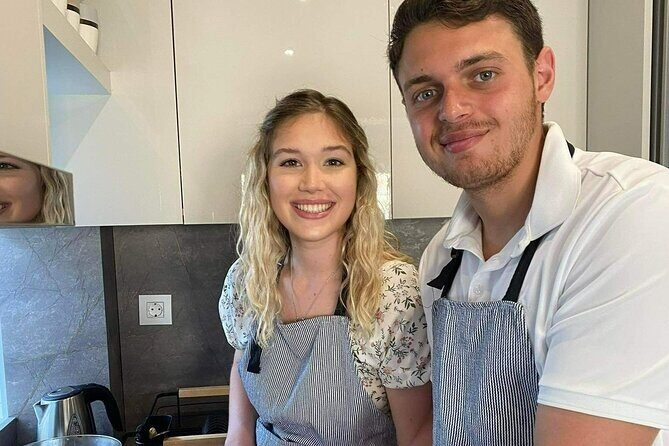
Forks in hand, you learn Cretan comfort food. This is a hands-on cooking class in a true Greek home in Chania, run by The Hellenic Odyssey with Greek hosts who cook like family and share the stories behind the recipes. You also get Mediterranean diet context built into the evening, not as a lecture but as a reason why these foods matter.
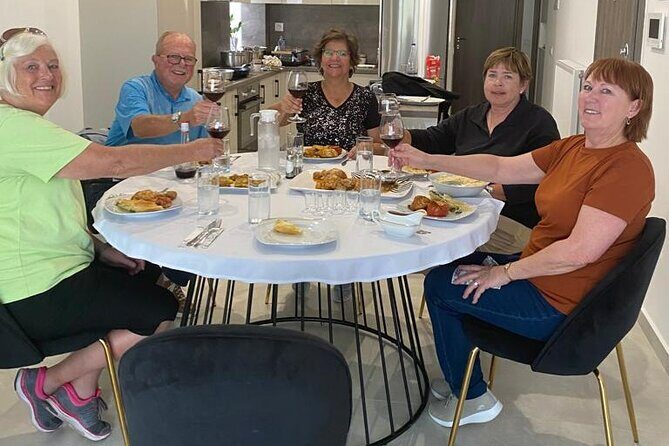
I like that the setting is practical and welcoming: a warm, cosy, inviting, and immaculately clean apartment about 5–10 minutes from the town centre, with a small group (up to 6). The one consideration is simple: alcoholic beverages aren’t included, so if you want wine or beer with dinner, you’ll need to plan that separately.
In This Review
- Key things to know before you go
- Why this Chania cooking class feels more like family dinner
- Where you start: Deligiannaki 28 and the 5 pm rhythm
- Inside the apartment kitchen: what happens during the cooking part
- Mediterranean diet taught through what you cook
- The feast you’ll eat: dinner plus snacks and coffee/tea
- Value check: is $64 a fair deal in Chania?
- Who should book this class (and who might not love it)
- Practical tips before you go
- Should you book this Chania traditional cooking class?
- FAQ
- How long is the cooking class?
- What time does it start?
- Where do I meet the host?
- What is included in the price?
- Are alcoholic drinks included?
- How many people are in the group?
- Will I receive a ticket on my phone?
- When will I get confirmation after booking?
- Is this experience refundable if I cancel?
- Does the tour end back at the meeting point?
Key things to know before you go
- Small group size (max 6): You’re not stuck watching. You help, ask questions, and get time with the host.
- A real home kitchen setting: The pace feels domestic and relaxed, not like a performance.
- Mediterranean diet with local origins: You learn how the eating pattern is tied to Crete in the 1950s and why it’s studied today.
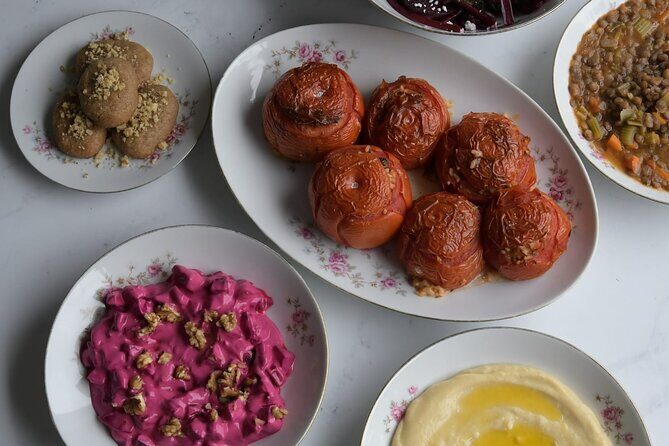
- Family-style recipes: You’ll make traditional dishes using authentic family recipes, including foods you may not find on many restaurant menus.
- A full evening meal: Dinner, plus coffee/tea and snacks are included—alcohol isn’t.
- 5 pm start and about 3 hours: Plan your afternoon around an early-evening commitment that ends back where you start.
Why this Chania cooking class feels more like family dinner
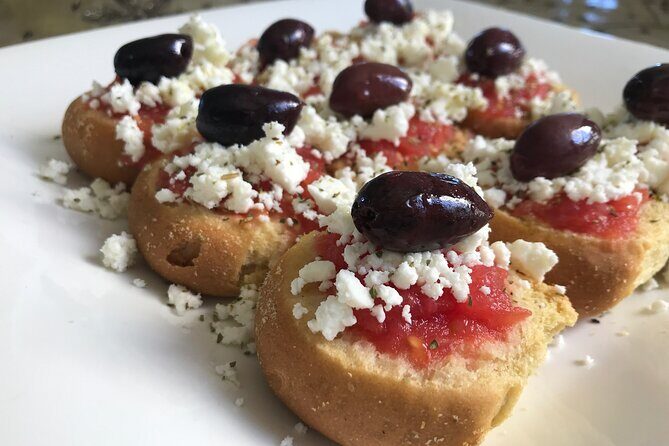
Chania can be a lot of things in a day—beaches, Venetian streets, shopping, sunsets. This experience is different. It’s about slowing down and getting your hands dirty with Greek food the way it’s cooked at home.
The big draw for me is the combination of hands-on work and context. You’re not just following steps and moving on. The evening is designed to connect what you cook with why people in Crete ate this way for generations. The Mediterranean diet here is explained as a dietary pattern modeled on what Cretans were eating in the 1950s, and it’s framed as one of the most researched eating styles in the world, linked to benefits for both physical and mental health.
Second, the format is built around authentic home-style dishes you might not routinely see in a Greek restaurant. That matters. Restaurant Greek food can sometimes feel like it’s chasing tourists. In a home setting, the menu usually reflects what people actually cook and serve when they want to feed someone properly.
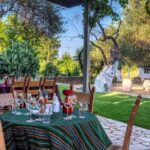
The setting helps, too. This class takes place in a warm, cosy, inviting apartment that’s described as immaculately clean. And it’s close—about 5–10 minutes from the town centre—so you’re not spending your whole afternoon crossing the city.
Other cooking classes in Chania
Where you start: Deligiannaki 28 and the 5 pm rhythm
The class starts at 5:00 pm with the meeting point at Deligiannaki 28, Chania 731 34, Greece. It runs for about 3 hours and ends back at the meeting point.
That timing is perfect for travelers who like an early evening plan. You can do a late lunch, stroll for an hour, then show up feeling hungry but not rushed. Also, the pace of a home dinner usually works better after daytime heat cools down, especially in Crete.
You’ll also get a mobile ticket, which keeps things simple. And the location is said to be near public transportation, which helps if you’re not planning to drive or park.
Inside the apartment kitchen: what happens during the cooking part
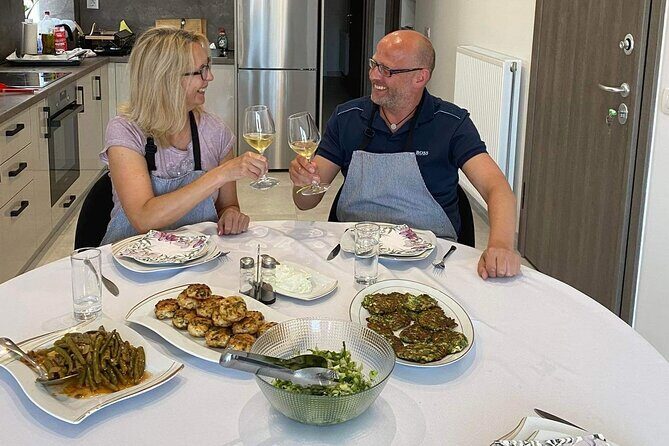
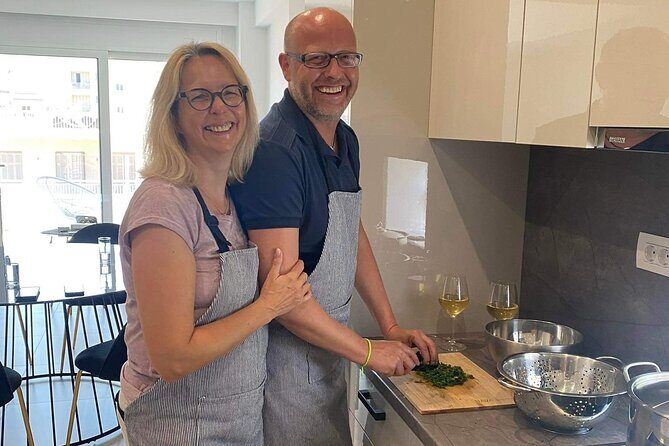
This experience is set up around a Greek host demonstrating recipes and then bringing you in to help. Expect it to be hands-on in the practical sense: prepping ingredients, assisting with the steps, and working toward a shared final table.
The class is capped at a small group size (up to 6), which is a big deal. In larger classes, you often do one quick task and spend the rest of the time watching. Here, the structure is designed so you can actually participate. One of the strongest themes from the teaching style is that the host keeps everyone involved and moving.
You can also count on the host explaining what you’re doing as you go. One of the standout comments about the experience is that the host gave history and context for the local foods being used, and that this made the whole evening feel more meaningful than a standard meal. That approach tends to work well for people who like food but also want to understand the why behind the what.
A small practical note: because you’re cooking, expect that you might get a little kitchen air on you. Plan to wear something you don’t mind being around stovetop heat and kitchen smells.
Mediterranean diet taught through what you cook
The Mediterranean diet doesn’t get taught here as a list of do’s and don’ts. It’s framed as a pattern modeled on Cretan eating from the 1950s and discussed through the dishes you’re making.
Here’s what that means for you, practically:
- You’ll hear how this style of eating became recognizable as a coherent dietary pattern.
- You’ll learn that today it’s one of the most thoroughly researched diets, with evidence connected to physical and mental well-being.
- You’ll connect the benefits to real foods, not abstract ideas.
The way it’s described also points to a cultural angle. Greek cuisine is presented as more than recipes. It’s about the sharing of food, the passing down of dishes taught from grandmothers and mothers, and the idea that the home is a welcoming space open to others.
If you like learning while you eat—rather than sitting through a dry talk—this format fits.
The feast you’ll eat: dinner plus snacks and coffee/tea
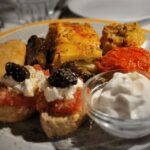
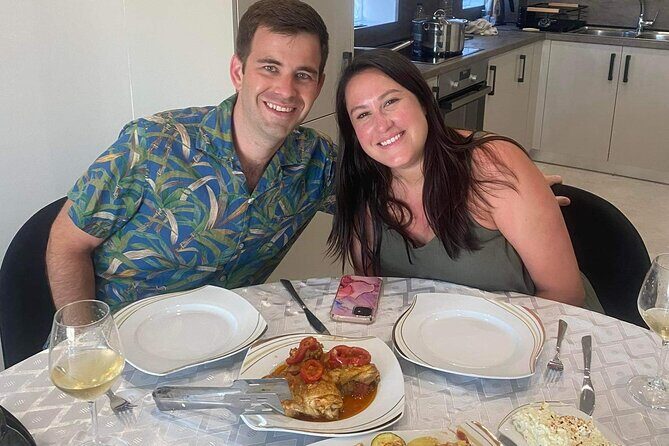
After the cooking comes the best part: you sit down and enjoy what you helped prepare. The dinner is included, along with snacks and coffee and/or tea.
A key detail is that the meal isn’t positioned like a tiny tasting. It’s described as a generous spread, served as a feast. That’s also why the price can make sense, even if you compare it to a regular dinner out.
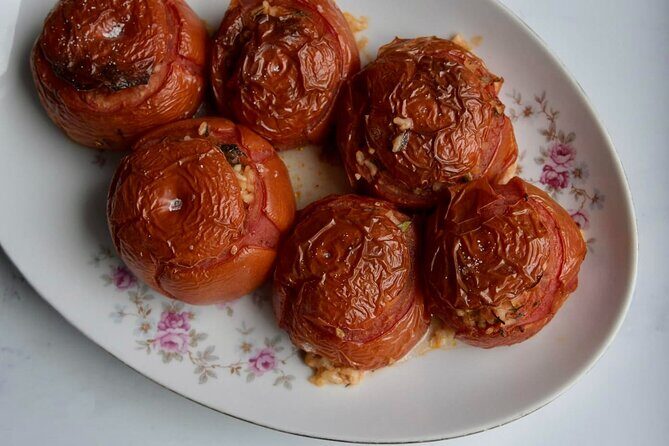
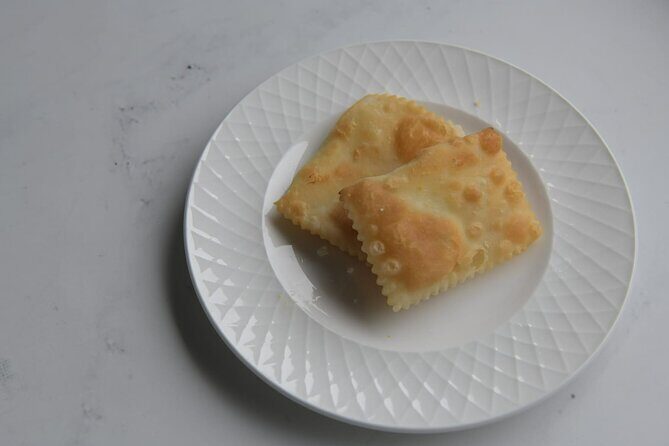
The class also promises traditional authentic dishes that you won’t commonly find in a Greek restaurant. That lines up with why people book this kind of event: you leave with memories of specific flavors, not just the usual hits.
If you’re the type who wants to try a wider range of Greek home cooking than what you can order off a menu, this is the right kind of dinner.
One more consideration: alcoholic beverages are not included. Many Greek meals pair food with wine or a cold beer, so either plan to go without, or budget separately if that’s part of your ideal meal.





Value check: is $64 a fair deal in Chania?
At $64 for about 3 hours, the value comes down to three things: the meal, the instruction, and the setting.
You’re getting:
- Dinner
- Coffee and/or tea
- Snacks
That alone is a meaningful chunk of the price. Then add the fact that you’re not only eating—you’re learning traditional cooking using authentic family recipes, with a Greek host guiding you and letting you help with the preparation. Finally, it’s not a big commercial cooking hall. It’s a small group class inside a home apartment about 5–10 minutes from the town centre.
So yes, the pricing feels aligned with the experience: you’re paying for time, teaching, and a full meal. If your plan is to do only quick sightseeing and then grab a casual dinner, this may cost more than just eating out. But if you want a more authentic Greek evening with real participation, it’s the kind of deal that saves you money later too—because you’ll know what you ate well enough to recreate parts of it at home.
Who should book this class (and who might not love it)
This cooking class is a strong fit if you:
- Want authentic Greek home cooking rather than restaurant-only food.
- Like learning cultural context tied to the food itself.
- Prefer smaller groups, so you’re actually involved.
- Enjoy food stories—especially how traditions and home cooking keep recipes alive.
It might be less ideal if you:
- Expect a night focused on alcohol or cocktail-style pacing (alcohol isn’t included).
- Want a silent, watch-only experience. This is built for helping and participating.
Also, because it’s about 3 hours starting at 5 pm, it suits people who plan their day with evenings in mind. If you’re trying to keep everything flexible until the last second, you may find the fixed start time constrains you.
Practical tips before you go
A few smart prep moves will make the evening smoother:
- Eat lightly beforehand. You want to arrive hungry enough to enjoy the full feast.
- Wear clothes you can cook in comfortably. The class is hands-on, and you’ll be near kitchen heat.
- Bring questions. The host is set up to explain recipes and food origins, and the best evenings are the ones where you ask why something is done a certain way.
- If you care about pairing your meal with wine, plan for it since alcoholic drinks aren’t part of the included set.
Should you book this Chania traditional cooking class?
I think it’s a yes for most people looking for a genuinely Greek evening with real participation. The small group format and the fact that you cook in a home apartment make it feel personal, not touristy. Add in the Mediterranean diet context and the promise of traditional dishes you may not commonly find in restaurants, and you’ve got a class that gives more than just dinner—it gives you a way to understand Crete through food.
Book it if you want a warm, welcoming night where you help prepare, then sit down to a proper feast. Skip it only if you mainly want a low-effort sightseeing activity or you’re expecting alcohol to be part of the package.
FAQ
How long is the cooking class?
It runs for about 3 hours.
What time does it start?
It starts at 5:00 pm.
Where do I meet the host?
The meeting point is Deligiannaki 28, Chania 731 34, Greece.
What is included in the price?
Dinner, coffee and/or tea, and snacks are included.
Are alcoholic drinks included?
No, alcoholic beverages are not included.
How many people are in the group?
The group size has a maximum of 6 people.
Will I receive a ticket on my phone?
Yes, the experience uses a mobile ticket.
When will I get confirmation after booking?
You’ll receive confirmation at booking time in most cases, and within 48 hours if you book within 5 days of travel, subject to availability.
Is this experience refundable if I cancel?
No. It’s non-refundable and cannot be changed for any reason.
Does the tour end back at the meeting point?
Yes, it ends back at the meeting point.